 EN
EN


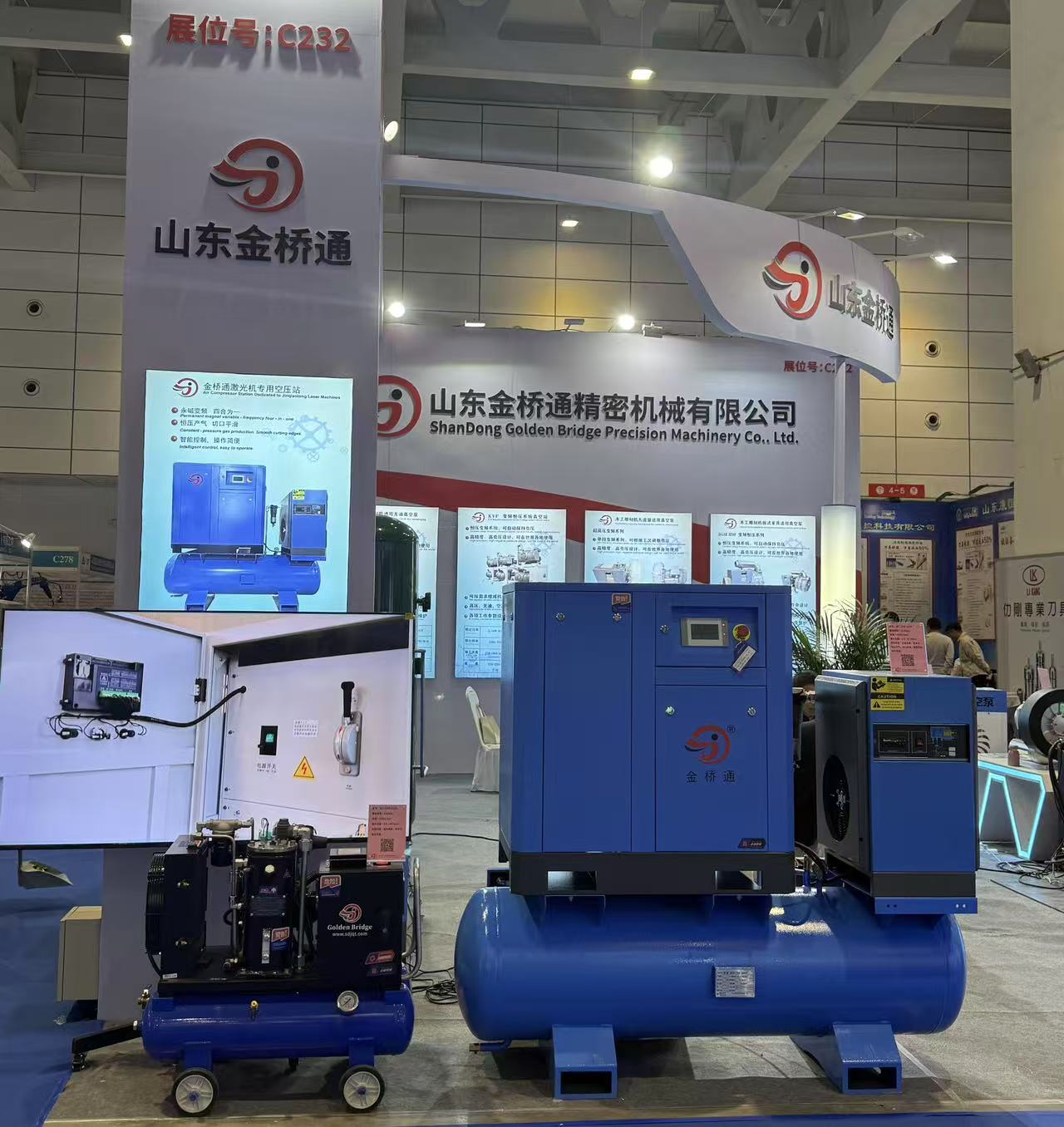
How Industrial Vacuum Pumps Work: Core Principles and Types
An industrial vacuum pump removes gas molecules from a sealed volume to create a partial vacuum—pressure lower than atmospheric. This pressure differential enables essential processes, from packaging and coating to semiconductor fabrication. All industrial vacuum pumps operate on one of two core physical principles: mechanical displacement (trapping and compressing gas volumes) or momentum transfer (imparting kinetic energy to gas molecules). The four most widely deployed types are:
- Rotary Vane Pumps: Use rotating blades inside an eccentric chamber to trap, compress, and exhaust gas. Known for high pumping speed and reliability in continuous-duty applications like vacuum packaging and medical suction systems.
- Claw Pumps: Rely on synchronized, counter-rotating claw-shaped rotors that move gas without internal contact or lubrication—delivering true oil-free operation ideal for food, pharmaceutical, and cleanroom environments.
- Dry Scroll Pumps: Employ two interleaved spiral scrolls—one stationary, one orbiting—to continuously trap and compress gas toward the center. Their lubricant-free design ensures ultra-clean operation for sensitive processes such as analytical instrumentation and vacuum furnaces.
- Liquid Ring Pumps: Use a rotating ring of liquid (typically water or glycol) as a seal and compression medium. Highly tolerant of moisture, vapors, and particulates, making them indispensable in chemical processing, papermaking, and wastewater treatment.
Selection hinges on three interdependent performance criteria: required vacuum level, volumetric flow rate, and contamination tolerance—each dictating suitability across industries.
Matching Industrial Vacuum Pump Specifications to Your Application Needs
Vacuum Level, Flow Rate, and Contamination Tolerance Requirements
The first step in selecting an industrial vacuum pump is aligning its specifications with your process demands. Vacuum level, measured in Torr, mbar, or Pa, defines the depth of evacuation needed—and determines whether rough (1–760 Torr), medium (10⁻³–1 Torr), or high/ultra-high vacuum (<10⁻³ Torr) technology is appropriate. Packaging lines typically operate at 10–100 Torr; freeze dryers require 10⁻²–10⁻³ Torr; and semiconductor etching often demands <10⁻⁶ Torr.
Flow rate (expressed in CFM or L/s) must match your system’s conductance and volume to achieve target evacuation times. An undersized pump increases cycle time and reduces throughput; oversizing wastes energy and accelerates wear. For example, a 500-L chamber requiring evacuation to 50 Torr in under 30 seconds needs a minimum flow rate of ~120 L/s at that pressure—calculated using system conductance and pump performance curves.
Contamination tolerance governs material and design choices. Applications involving solvent vapors, acidic gases, or fine particulates require corrosion-resistant wetted parts (e.g., stainless steel 316L or PTFE-lined chambers) and sealed or oil-free mechanisms to prevent degradation or cross-contamination. Ignoring this factor is a leading cause of premature failure in electroplating, pharmaceutical drying, and environmental testing labs.
Material Compatibility and Environmental Considerations
Material compatibility directly impacts long-term reliability. Wetted components—including rotors, housings, seals, and valves—must resist chemical attack, thermal cycling, and abrasion. Stainless steel 316 offers broad resistance to chlorides and organic solvents; Hastelloy C-276 handles aggressive acids in chemical synthesis; and fluoropolymer coatings (e.g., PTFE or FEP) protect against halogenated compounds in semiconductor tool cleaning.
Environmental conditions also shape selection. High-ambient temperatures reduce pump efficiency and accelerate oil degradation in oil-sealed units—requiring auxiliary cooling or heat-resistant synthetic lubricants. Coastal or offshore installations demand salt-spray-rated enclosures and passivated stainless hardware to inhibit corrosion. Altitude affects ultimate vacuum performance: at 1,500 meters above sea level, atmospheric pressure drops ~12%, limiting achievable rough vacuum by roughly the same margin—a critical consideration for facilities in mountainous regions.
Key Industrial Vacuum Pump Technologies Compared
Oil-Sealed Rotary Vane vs. Dry Scroll Pumps
Oil-sealed rotary vane pumps remain the workhorse for medium-vacuum applications, delivering high pumping speeds (up to 1,000 m³/h), excellent ultimate vacuum (down to 0.1 mbar), and proven durability. However, they carry inherent trade-offs: oil backstreaming can contaminate vacuum chambers, limiting use in optical coating or analytical labs unless paired with cold traps or exhaust filtration. They also require regular oil changes and vapor handling upgrades when exposed to condensables.
Dry scroll pumps eliminate oil entirely, achieving clean, maintenance-light operation with ultimate vacuums down to 1 × 10⁻³ mbar. While less suited to high-flow or high-vapor-load duties, their compact footprint, low noise, and minimal particle generation make them ideal for R&D labs, mass spectrometry, and small-scale vacuum ovens. Tip seal wear remains a known limitation—best mitigated through controlled operating pressures and avoidance of frequent on/off cycling.
Liquid Ring and Claw Pump Use Cases
Liquid ring pumps excel where process streams contain significant moisture, vapors, or entrained liquids. Their liquid seal absorbs heat and buffers mechanical stress, enabling stable operation in distillation columns, solvent recovery systems, and vacuum impregnation—even with inlet concentrations up to 100% saturated vapor. Maintenance focuses on water quality management and seal liquid temperature control.
Claw pumps combine oil-free operation with high efficiency and low vibration. Their contactless, synchronous rotor design delivers consistent performance over 40,000+ hours with only periodic bearing and seal replacement. Widely adopted in hospital central vacuum systems (per ISO 8573-1 Class 0 air purity requirements) and energy-intensive manufacturing, they offer up to 30% lower power consumption than comparable rotary vane units—validated by independent testing per ISO 5801 and ISO 1217 standards.
Maintaining Industrial Vacuum Pump Reliability and Longevity
A disciplined preventative maintenance program is the single most effective lever for extending service life and sustaining peak performance. Critical actions include:
- Seal and gasket inspection every 500 operating hours—or after any process upset—to detect micro-leaks before they compromise vacuum integrity.
- Lubrication adherence: Using only OEM-approved oils and following strict change intervals (e.g., every 2,000–4,000 hours for rotary vane pumps); synthetic ester-based oils improve thermal stability in high-temperature duty cycles.
- Contamination control: Replacing inlet filters every 250 hours in dusty environments; performing quarterly chamber inspections and cleaning with non-residue solvents compatible with wetted materials.
- Performance trending: Logging base pressure, motor current, and temperature rise during startup to identify early signs of wear, misalignment, or cooling inefficiency.
Facilities that integrate these practices report up to 2.5× longer mean time between failures (MTBF) and 40% fewer unplanned outages—directly supporting OEE (Overall Equipment Effectiveness) targets and reducing total cost of ownership over the pump’s lifecycle.
FAQs
What are the core principles behind industrial vacuum pumps?
Industrial vacuum pumps operate on two principles: mechanical displacement, where gas is trapped and compressed, and momentum transfer, which imparts kinetic energy to move gas molecules.
How do I choose the right vacuum pump for my application?
Consider three performance criteria: vacuum level, flow rate, and contamination tolerance, in addition to environmental factors such as materials and operating conditions.
What maintenance is required for industrial vacuum pumps?
Regular inspections for seals and gaskets, lubrication adherence to OEM intervals, contamination control, and performance trending can significantly extend pump life and reliability.
What’s the difference between rotary vane and dry scroll pumps?
Rotary vane pumps use oil for medium-vacuum applications, while dry scroll pumps eliminate oil for ultra-clean operation, ideal for labs with sensitive equipment.
Which industries benefit most from liquid ring and claw pumps?
Liquid ring pumps excel in processes with high moisture or vapor content, while claw pumps are preferred for energy efficiency and oil-free operation in manufacturing and healthcare.