 EN
EN


Tailoring Air Blower Technology to Your Needs
Comparison of Air Blowers by Type: Centrifugal, Positive Displacement, Regenerative
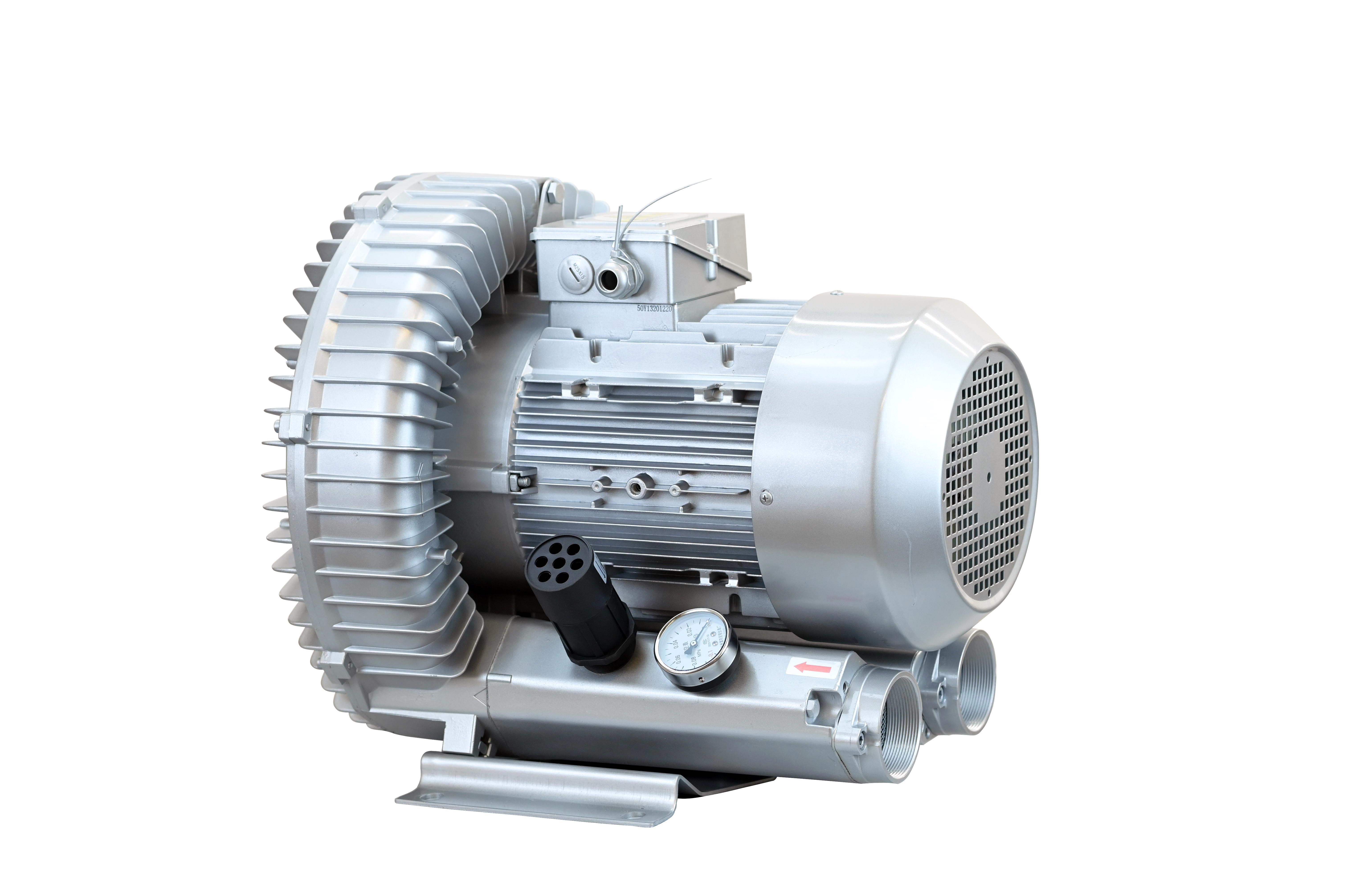
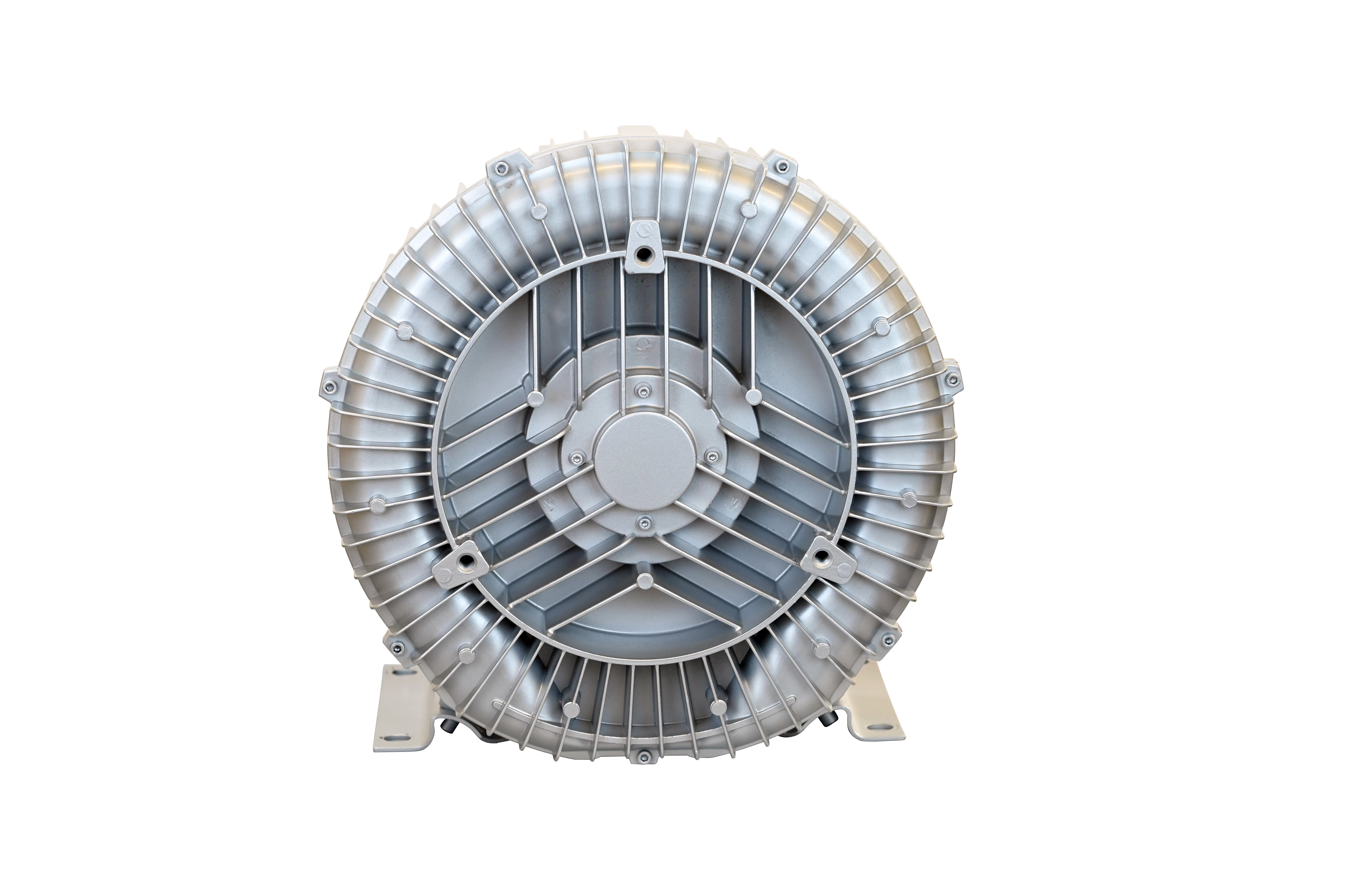
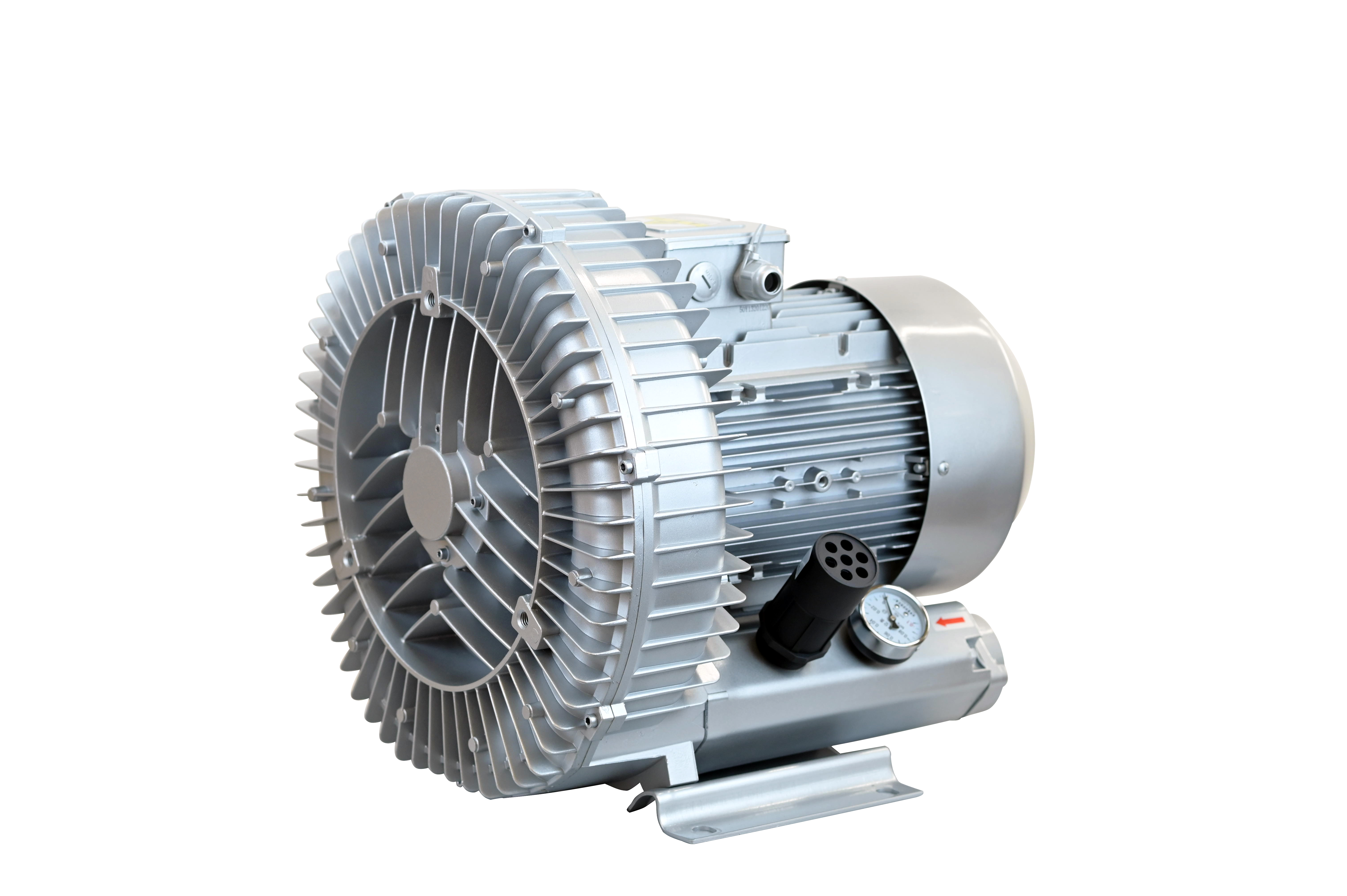
Three main factors come into play when deciding on which air blower technology to go for: the movement of air (quantitatively measured by CFM - cubic feet/minute), the system's pressure requirements, and the specific application (site of use). Centrifugal blowers are most advantageous when a large volume of air needs to be moved and when the pressure requirements are on the lower end of the spectrum - for instance, building HVAC systems. Impellers are spun by a motor, and positve displacement blowers? No matter the pressure within the system, these guys are going to keep pumping the same volume of air, so a lot of people use them for continuous flow of oxygen in a wastewater treatment facility or for pneumatic conveyance of materials when the resistive (or flow sensitive) system is either there or not. Regenerative blowers (or regenerative air blowers) are used at inferior levels of pressure - not exceeding 15psi - and when oil contamination is a no no, thus they find their use in cooling of electronic devices or when gas used for medical purposes demand contamination free air. Efficiency is another factor to consider.
Centrifugal units usually have optimal performance when they're around their intended design specification, while positive displacement units provide consistent flow even when there are unanticipated pressure changes.
Industry-Specific Applications
Tailored air blower solutions are essential for optimal performance in industrial settings.
Wastewater Treatment: Positive displacement pumps that are corrosion-resistance are ideal for humid conditions and for use in air aeration basins with H2S.
Pneumatic Conveying: Centrifugal air pumps with high CFM output are ideal for bulk powder transportation in the food industry, while regenerative pumps are ideal for vacuum conveyance of fragile materials.
Manufacturing: High CFM, low pressure positive displacement pumps are used for paint booth exhaust, while furnace air combustion requires the consistent and pressure resistant output of positive displacement pumps.
Environmental conditions are also critical for optimal performance. High dust environments require high dust filtration. High temperatures in foundries require vacuum pumps with thermal protection and heat resistant seals.
Real World Air Blower Selection and Relevant Performance Metrics
Choosing an air blower based solely on CFM and PSI is an incomplete approach. There are numerous additional elements to consider, and one frequently overlooked element is static pressure. There is resistance when air flows through ducts, filters, and dampers. Most people see specifications and consider it finished, the static pressure rating of 0.5 inches of water, and consider it finished. But what if the system is designed for 0.8 inches? No matter how good the CFM is, the blower will underperform. It becomes very important to get the flow curves to match. When they do not, the system reaches instability with every load change and the operators end up spending more energy. $20-30\%$ more, to be exact, because the system tries to compensate for all the mismatches.
What is Beyond CFM and PSI: Static Pressure, System Resistance and Flow Curve Matching
The level of static pressure within a system is highly instrumental when determining if a blower is going to be effective in pushing air through actual installations. Consider systems with more than their fair share of bends, HEPA filter installations, and extended ductwork pieces running the length of an entire building. These typical setups create about 1.2 inches of static pressure and so it would be prudent to install a blower that is designed to perform optimally at that level. Systems with poorly defined and/or rapidly changing load conditions create highly unstable operational systems. A system prepared to manage this instability must incorporate blowers that operate at above 80 percent efficiency at all points, even when the system is operating at 40 percent to 100 percent of its targeted capacity. This to ensure that a unimpeded, steady, and smooth airflow is maintained without the need for any continual throttle adjustments nor the excessive use of bypasses that cause operational wasting of system energy.
Analysis of Energy Efficiency: Lifecycle Power Cost, DOE Standard, and VFD Compatibility
In variable-demand situations, such as batch processing or intermittent aeration, Variable Frequency Drives (VFDs) can lower energy consumption by anywhere from 25% to 50%. Select blowers that will be VFD-compatible and compliant with current U.S. Department of Energy (DOE) efficiency standards to avoid retrofitting. The true economic benefit is revealed through lifecycle power cost modeling:
- ENERGY STAR-certified models can be 15% more efficient than the baseline models.
- High-efficiency motors can eliminate more than $3,000 of annual operating costs in continuous-duty applications.
- Sealless magnetic-drive designs remove labor and materials costs associated with lubrication.
- Premium-efficient blowers in 10-year energy forecasts often provide over 200% return on investment (ROI) due to lower energy consumption and, consequently, lower operating costs, in addition to their higher purchase price.
Assessing the Total Cost of Ownership and the Environmental Risk Factors
When assessing industrial air blowers, Total Cost of Ownership (TCO) is the best evaluator. This method considers not just the cost of the equipment, but all the other costs that are likely to be incurred during the equipment operation such as the cost of spare parts, the cost of bearing replacements, response time and availability of technical support, and the ability of the equipment to function in harsh working environments. Consider the example of premium bearings. Premium bearings will be more costly in the short run, but they will lead to bearings being replaced 30% less frequently, resulting in lower costs associated with unplanned downtime and higher costs associated with unplanned downtime. The equipment that is designed to be modular is easier to maintain and less costly to replace the bowels than to maintain and replace the roughly soiled bowels. Finally, service contracts that include guarantees of immediate technical support are a great source of peace of mind to plant managers.
Understood your input. You are asking to rephrase the text. You are also explaining the instructions as an additional comment. Please omit that additional comment and provide only the rephrase.
Regarding the topic, September 2023, data has been used. Please look at the data again and provide your answer. Thank you
Defending Air Blowers Against Dust, Heat, Humidity, and Corrosion
The type of environment your equipment operates in affect your equipment's reliability and your total cost of ownership. Dust is an issue in many industrial environments where facilities have installed IP55 rated enclosures have seen a 25% reduction in filter changes. Thermal protection in motors is also critical as many fail when the temperature reaches 40 degrees Celsius (104 Fahrenheit). In environments with humidity, a combination of stainless steel housing and specific anti-corrosion coatings is also beneficial. Protective measures can reduce failure rates by up to 60%. These measures are not simply an option, they are an essential part of a cost saving, no downtime, continuous production strategy.
FAQ
What types of air blowers are mentioned?
The air blowers mentioned are positive displacement, regenerative, and centrifugal blowers.
Why is static pressure relevant when choosing air blowers?
Because of the resistance high performing air moving systems, such as ducts and filters, static pressure is a critical factor.
What benefits do Air Blower VFDs have?
VFDs contribute to energy savings and energy efficiency improvement by meeting U.S. DOE energy efficiency standards by varying energy consumption based on the blower demand.
What considerations regarding the Total Cost of Ownership of an Air Blower should be factored into the decision-making process?
Considering the Total Cost of Ownership, which includes the purchase price of the Air Blower and the price of maintenance and other services during its operating life, allows for the selection of blowers which have the most advantageous value over time.
What features do Air Blowers have that allow them to be used in difficult working conditions?
With components such as anti-corrosion coatings, thermal protection, and other features, IP55 rated enclosures and Air Blowers can function in difficult operating conditions.