 EN
EN


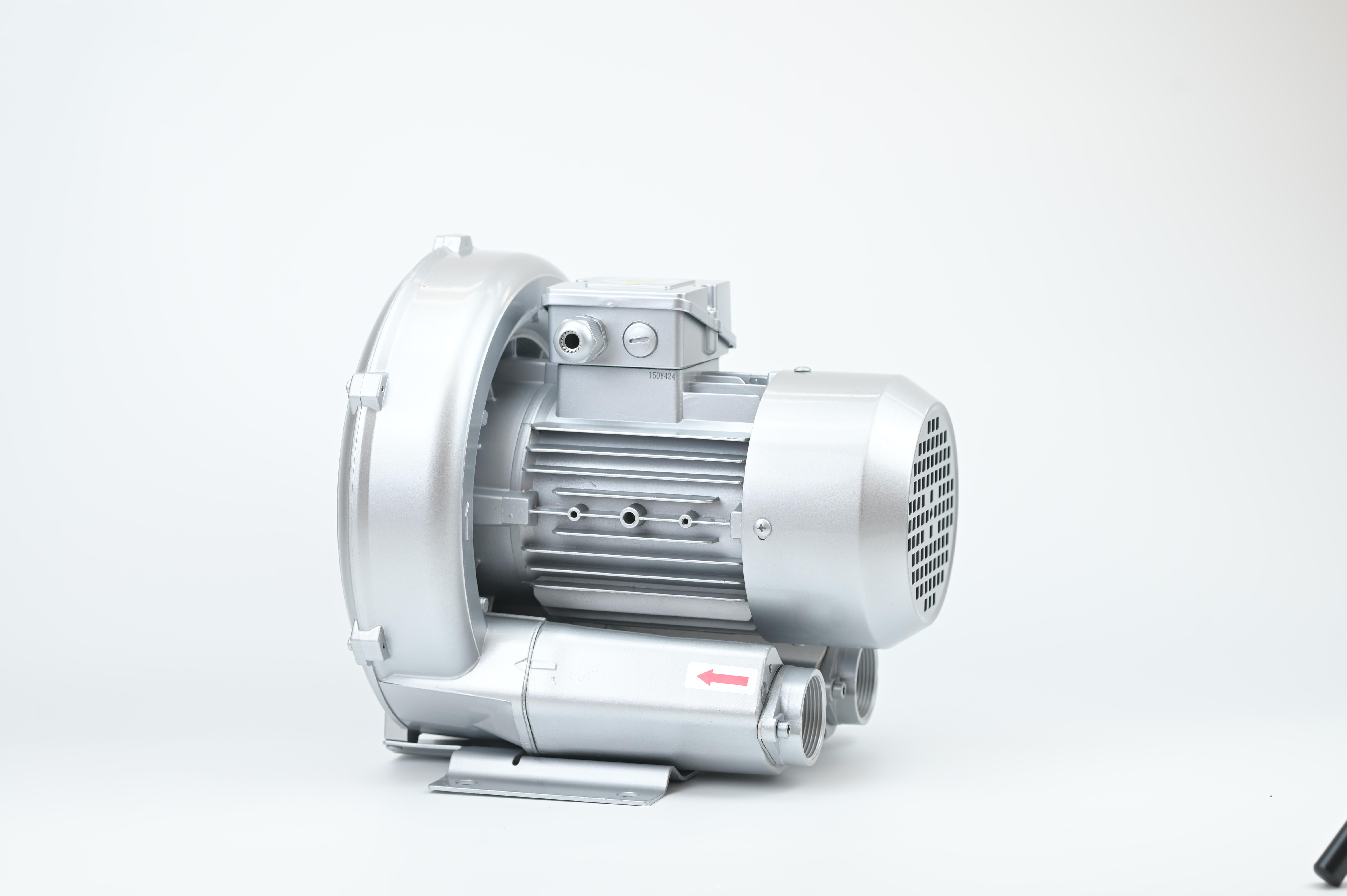
The certainties of distortion-free workholding and reliable rigidity have found an answer through the CNC Vacuum Pump.
A suction cup resting on a table illustrates the fundamental principle of suction hold. When the cup is pressed down, the air becomes trapped inside, and up to 14.7 psi is generated. This creates a pressure difference, which is virtually the same as the pressure exerted by the Earth’s atmosphere at sea level. This same principle applies to the CNC Vacuum Pump. The CNC Vacuum Pump also has an even hold to all the surfaces. The CNC Vacuum Pump can hold a warped wood piece, a textured composite workpiece, or even an irregular workpiece that is extruded. The vacuum table is also designed using flow channels for the purpose of compensating for the small gaps. Unlike mechanical clamps, a vacuum system does not create a stresses that concentrates at specific points, therefore, the material does not need to be stiffened
Recently, high-speed milling experiments in the Aerospace industry created an opportunity to evaluate the performance the vacuum system in comparison to mechanical clamps. The subject of the experiment was a sheet of aluminum that was 0.5 mm in thickness, which is considered to be extremely thin. The vacuum system demonstrated a 92% reduction in material bending. This proved the claim that vacuum systems better than mechanical systems. When milling aluminum the material demonstrated better performance.
Vacuum vs. Mechanical fixturing: How Part Deformation and Setup-Induced Stress are Minimised.
Vacuum Workholding addresses three key shortcomings with mechanical clamping:
Over tightening distortion: In 78% of acrylic prototypes, over tightening is seen to cause permanent distortion of the material, and many times, the tightening is done at a point that exceeds the yield strength of the material.
Tool collision: Fixed clamps inhibit tool engagement, reduce 5-axis reach, and increase the number of setups.
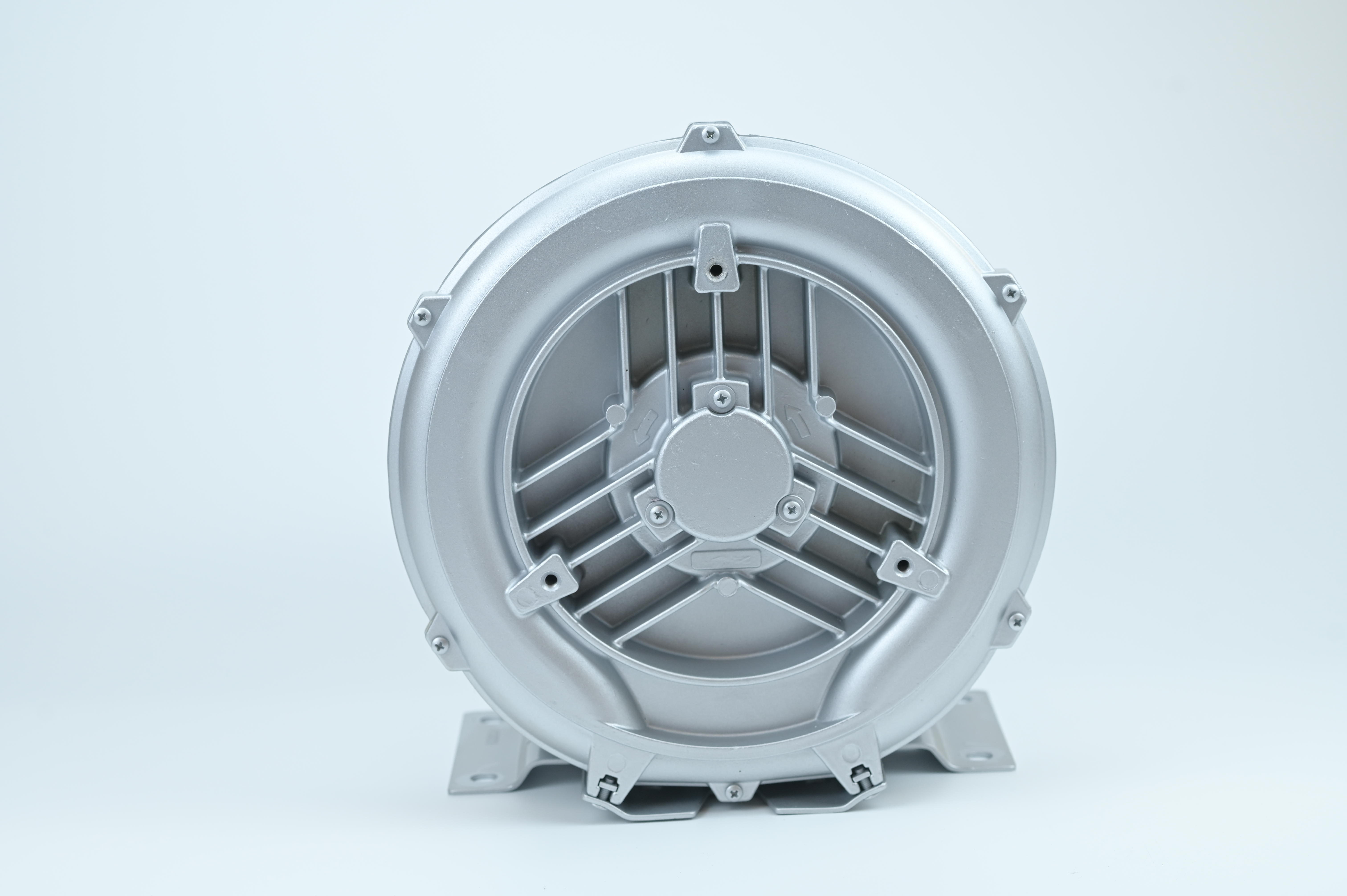
Residual stress: Pressure that is localized generates micro-fractures in a material, especially in composite materials, and reduces the stability of a material over time to retain its dimensional properties.
On the contrary to the above, the systems available for vacuum pumping on CNC machines apply even pressure as well as non-invasive pressure to the entire workpiece, making it possible to maintain its dimensional integrity. This is essential for workpieces that require machining to a tolerance of ±0.001”. Additionally, it allows for the complete utilization of the machining table. The absence of contact points also aids in reducing the transfer of vibrations and the surface finish of the workpiece is improved by as much as 0.2 µm Ra during finishing operations.
How the CNC Vacuum Pump Influences Precision Machining and the Safety of the Operators
Elimination of Machine Imbalance Issues and Stability When Performing Heavy Cutting
CNC machine vacuum pumps ensure that the workpiece is held securely to the table with consistent and uniform suction. This eliminates the occurrence of shifts and lateral movements that compromise the accuracy of the work being performed. These systems reduce machining vibrations up to 70%. Therefore, it is less likely that the cutting tools become misaligned. Also, the workpiece will be free of dimensional errors of over 0.005 inches during hard milling operations. Unlike mechanical clamps that create localized stress areas, vacuum systems create uniform pressure and support the entire workpiece, including irregular parts. This is especially important when machining aerospace metals that tend to warp due to thermal effects during machining operations. Therefore, vacuum systems are essential in shops that manufacture complex aerospace parts, as they can mean the difference between producing scrap parts and parts that are within the required specifications.
Unobstructed Tool Access and Automated Workflow: Enabling Full 3+2 and 5-Axis Machining
Using vacuum clamping instead of traditional fixtures gives shops full 360 degree toolpath freedom around parts. A modern 5-axis machining center can reach undercuts and complex contours and deep cavities without stopping and repositioning the part. Setup times also drop significantly, approximately 40-45%, and eliminate the risk of collisions caused by fixed clamps. Automated vacuum workholding even shines during overnight runs on complex molds and precision components. Unobstructed spindle access provides the ability to run a cycle without the operator needing to reach into the machine during a hazardous condition. Shops moving from bolt-down jigs to vacuum workholding have seen an improvement of approximately 35% cycle times while increasing operator safety and protecting the cutting tool from contact.
System Integration Essentials: CNC Vacuum Pump Versus Table Design and Constituent Materials
Zoned Vacuum Tables and Porosity Mapping: CFM and Vacuum Level by Materials Type
Zoned tables and CNC vacuum systems, as well as porosity maps, empower operators to customize pump functionality to suit the needs of a particular material. When working with the combination of solids and porous materials, the MDF (Medium Density Fiberboard) is a prime example of a porous material requiring a unique set of CFM (Cubic Feet per Minute) and vacuum pressure (measured in inches of mercury) settings. Porous wood materials hold strong under vacuum pressure and will not warp, leaking too much air without a sufficient CFM. Modern shops are now working to divide control zones in their vacuum tables and render porosity maps for each surface of the workpiece to achieve up to a 25% improvement in setup time, as well as the complete eradication of slippage while cutting at elevated speeds. With the introduction of the zone-based technique, flexibility and the control of material deformation have been increased while reducing power consumption by roughly 30% over the pre-2023 vacuum technology advances.
Determining your needs for performance, efficiency, and reliability and how the various types of pumps meet those needs.
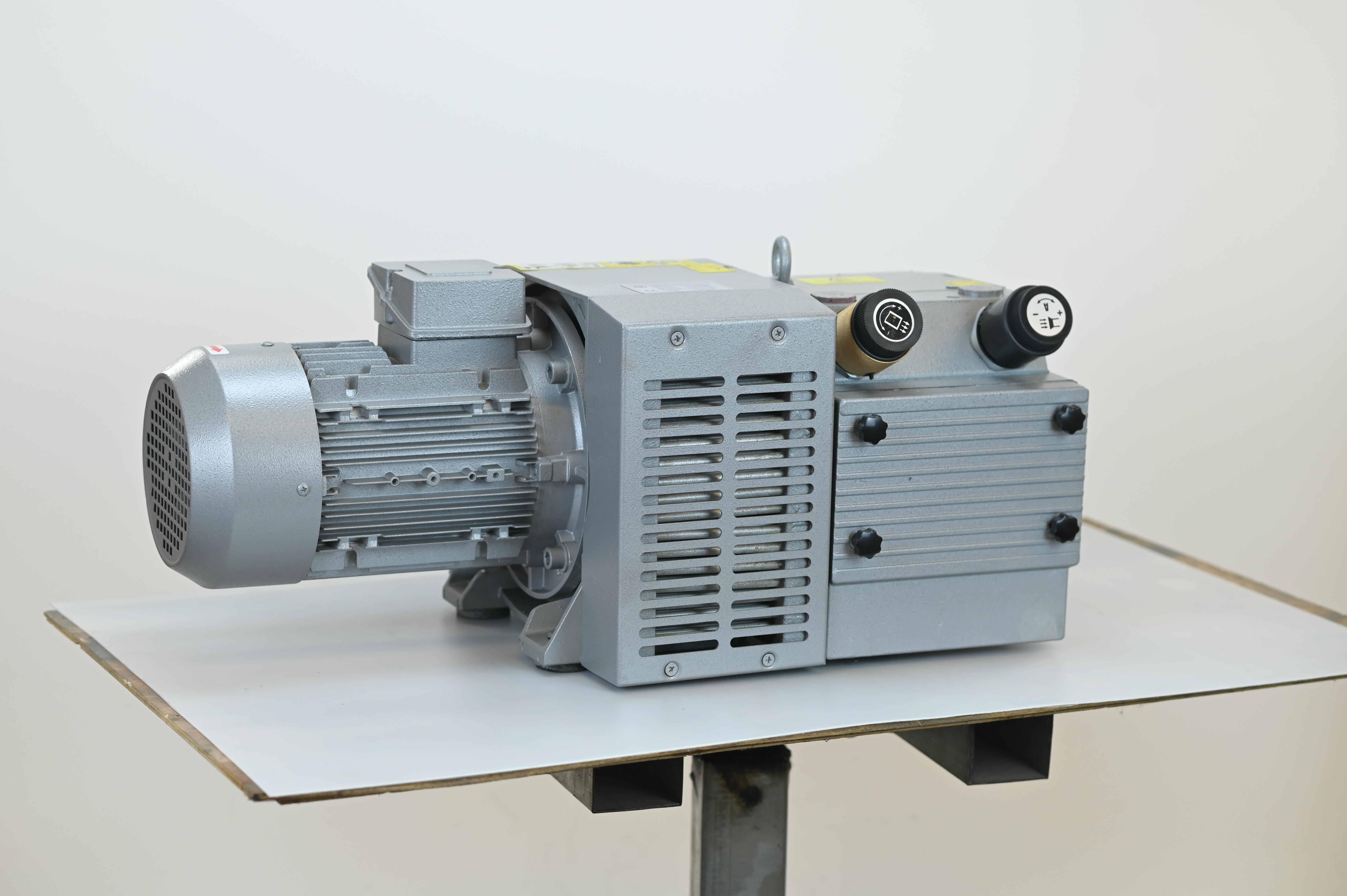
Rotary, Scroll, and Venturi Systems - vacuum depth, energy consumption, and duty cycle
The best choice for a CNC vacuum pump depends on how the pipe and material of the pump intersect with your vacuum pump requirements. For commercial use, there are 3 main types of pumps:
Rotary Vane pumps are the best for vacuum levels of 0.1 mbar as they can hold onto more porous materials and are better for high-holding-force applications. They are the best suited for low duty cycles as they are very energy consuming and need their oil changed routinely.
Scroll pumps provide 1 -10 mbar depth of vacuum for oil-free, low maintenance, energy efficient use. They require 30% less energy than rotary pumps when used continuously.
Venturi Systems operate with compressed air, and provide vacuum on demand and require zero electricity. They work best for short, intermittent use when a rapid change of jobs is needed and require no maintenance. However, the vacuum depth is limited to 50 – 150 mbar.
Match the pump with your workflow: Scroll pumps take the lead for 24/5 machining for better longevity and efficiency, while Venturi systems simplify the setup for fast job changes. Misalignment can spike your energy costs by 40% and lead to instability of the workpiece during heavy cutting. To maximize your ROI, focus on vacuum depth requirements and duty cycles above all else.
FAQs
What are the main advantages of using a CNC vacuum pump compared to mechanical clamps?
An advantage integrated from the mechanical clamps is the improvement of the overall surface finish, along with the enhancement of operator safety by the removal of any toolpath obstructions.
How do zoned vacuum tables improve CNC machining operations?
Zoned vacuum tables enable improved setups with minimal slippage and lower operational costs.
Which CNC vacuum pump system is the most suitable for quick setup changes?
Venturi systems are most suitable for quick setup changes as they provide instant vacuum and no maintenance requirements.