 EN
EN


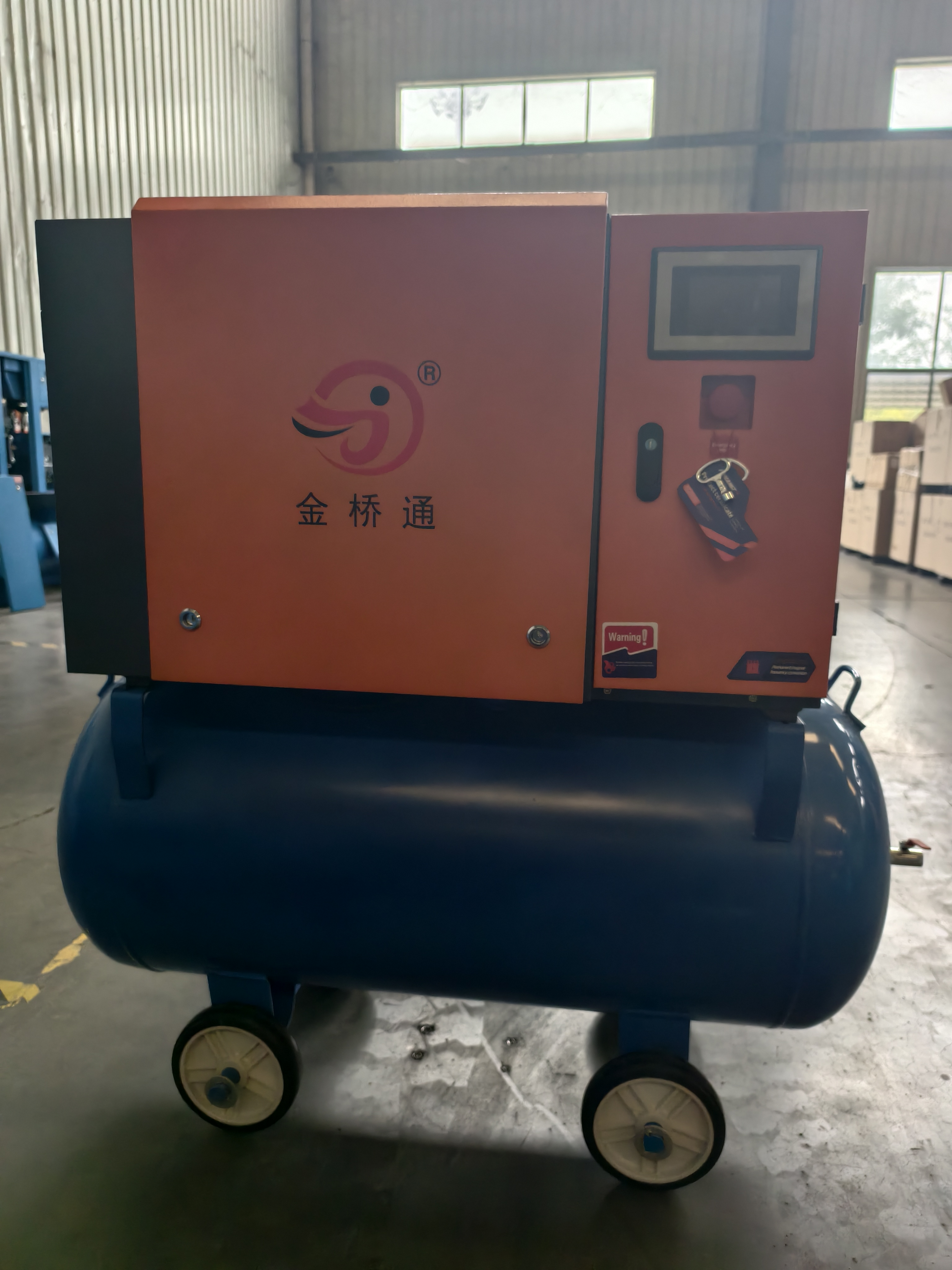
Failures in Motor Humming vs. No-Start
If you have ever experienced a situation where the air compressor is continually humming without getting it started or even showing a sign of starting, it is highly likely that there is a problem with the contactors, the power supply, or the windings of the motor. The humming of the motor occurs because the air compressor is getting part of a supply which creates a humming sound in the compressor. It is important that only the highest quality contactors be used in the compressor. Never purchase contactors described as ‘low voltage’ as these have poor reliability records. Most likely, the contactor will be the only part of the compressor that will have a low voltage rating. Therefore, there is a chance that there will not be sufficient voltage supplied to the windings to remove the initial electrical resistance once the windings have been energized. The initial electrical resistance may become quite low as the compressor is energized. The balance and individual coaxial voltage levels of each of the three phases must be verified as well. If a contactor is suspected to have a low resistance, and the contactors are not cycling at the proper frequency, and there is a possibility that the air compressor is a candidate for the contactor (or contactor pack), the air compressor may have a low resistance as well. 38% of electrical faults result from the windings of the motor failing.A difference of more than 5% means that something is going wrong in the winding system. Always keep safety in mind and make sure to perform lockout tagout before doing any tests. Ignoring this step may lead to arc flashes that could damage equipment and injure personnel.
During the start-up period, check if the system is drawing the required number of amps. If there are more than 600% of the required number, then the system has mechanical issues.
If all the tests have been successfully completed, there may be more problems with the system that have not been identified. Examples may include shorts in the windings or problems with the control board. The results of these tests may be used to improve the speed at which technicians respond. The renewal may be close to 65%.When overheating occurs, it can be permanent. Oil break down, cooling systems, and the surrounding air play a role. Each individual cause can lead to overheating, but when combined, they create a near guarantee. What happens when your lubrication oil breaks down? Why so many parts? From what you describe, it sounds like the lubrication oil is breaking down periodically, which would cause the parts to be able to absorb less heat than normal (in your case, approximately 40% less). Each you mentioned takes a positive jump from 15-25 degrees Celsius, which would create a more than ideal environment for break down. If you oil cooling systems have a higher than 35 degrees Celsius or your separators have been adequately vented, their breaking down is more than just a guarantee. When you add the breaks and the heat to the systems, the breakdown is extraordinarily predictable. You describe to me your systems and I describe to you your systems. What is the expected operatingtime? Most systems, if left to run without a break, will lead to almost certain breakdown. If your compressor systems aren't breaking down and operating to capacity, your time let to allow them to run will be clocked in = 30 minutes, and is even more certainly a case. Your systems will log a near perfect guarantee. If I pronounce systems, can I give systems less than a perfect guarantee to describe them? No, even perfect systems will create a break - breakdown. It is a total and complete failure.Future Maintenance Strategies to Improve and Preserve Thermal Efficiency
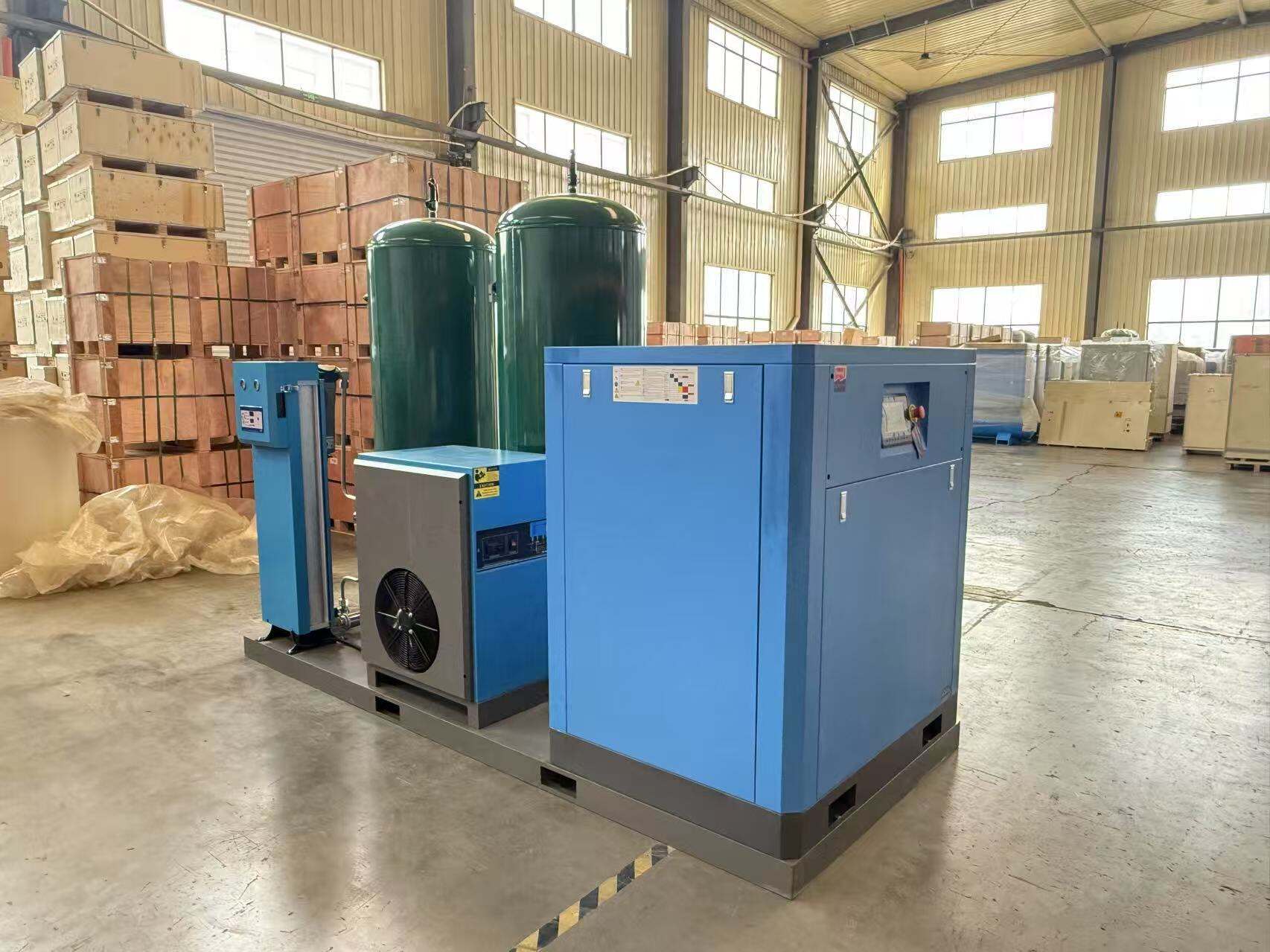
Follow these future strategies to help preserve thermal stability:
Oil Management: Conduct oil replacement every 2,000 hours and perform monthly tests for viscosity and acid number.
Cooler Maintenance: Use compressed air and non-corrosive cleaners to clean your fins each quarter. Avoid using wire brushes to clean fins, as it can damage fins.
Environmental Controls: Keep an ambient temperature of 30 degrees Celsius or less (<=30 degrees Celsius) near your compressor package using thermostatic ventilation.
Thermal monitoring: Use infrared anomaly detection systems on motors, coolers, and discharge lines.
Load Balancing: To prevent thermal fatigue, do not change the operating ceiling for more than 60 minutes.
Proper maintenance can reduce the incidence of a 70% overheating and increase the life span of your major parts by 2 to 3 years.
System-Wide Leak Detection and Assessment of Distribution Networks
According to compression air system studies conducted by the US Department of Energy, fluctuation in system pressure causes an estimated 30% waste of energy by air compressor systems. As problems arise, start looking for missing or broken pieces using ultrasonic leak detectors. These detectors are the only tools that can detect the slight hissing noise that comes from pipe joints, fittings and other connective parts that are prone to failure from vibration and heat from the compressor. For overnight assessments, isolate some parts of the system to monitor for drops in pressure above 5% per hour. Maintenance personnel should pay close attention to the areas of the distribution system that show signs of corrosion, inadequate pipe size, and substantial flow problems. Focus your repairs in areas where many leaks are concentrated and where valves and actuators are located. These "hot" areas can add up and are a substantial part of a facility's lost efficiency, sometimes over $18,000 for mid-size facilities in a year. Another excellent technique that can help technicians identify potential problems areas that are overlooked is thermal imaging.
Intake/Discharge Valves Faults, Gasket Wear, and EPD Malfunctioning
Valve failures show themself through variable pressure, slow recoveries, and blowback noise. The main symptoms are:
Sticking valves: Mineral deposits, or seal cracking, holds them back from sealing and regulating air flow.
Gasket/O-ring wear: Obvious hardening, cracking, or extrusion creates paths for internal leakage.
Drift: Pressure switches are triggered too early or too late due to diaphragm wear or contamination.
When testing the valves, watch for carbon deposition that might be obstructing the air flow. The discharge valves must be shut when not in use. Failure to close creates blowback and pressure loss in the system. Those hardened gaskets should go straight to the bin as they shorten the life of the valve seats significantly. Pressure testing switches must be done with calibrated instruments. Readings that are more than 2 or 3 psi from the preset value indicate that the components are due for a change. Addressing these issues typically resolves the majority of pressure problems found in industrial settings.
Abnormal Noise, Vibration, and Oil Carryover
Unusual noises like grinding, knocking, and a horrible metal scraping are signs of worn bearings, coupling misalignments, or issues related to the piston rods. Excess vibration can come from unbalanced rotors, loose bolting, or deteriorating motor bearings. Research from mechanical engineering journals indicates these mechanical issues accelerate the wear of components, creating failures 70% more likely than normal. Oil carryover occurs when lubricants mix with the compressed air stream. This is often caused by clogged coalescing filters, defective check valves, or overflowed reservoirs. It contaminates the air down the line, violates ISO 8573 standards, and can cause a 20 to 30 percent loss of system pressure if left unchecked. Vibration analysis and sound detection allow maintenance teams to address issues before complete breakdowns occur.
Moisture-Related Damage and Safety System Alarms
Integrated safety systems in industrial air compressors assist in avoiding complete system failures, and moisture management is a critical component for long-term reliability. If moisture is unmanaged, corrosion and seal degradation occur, and operational integrity of the entire compressed air system is compromised.
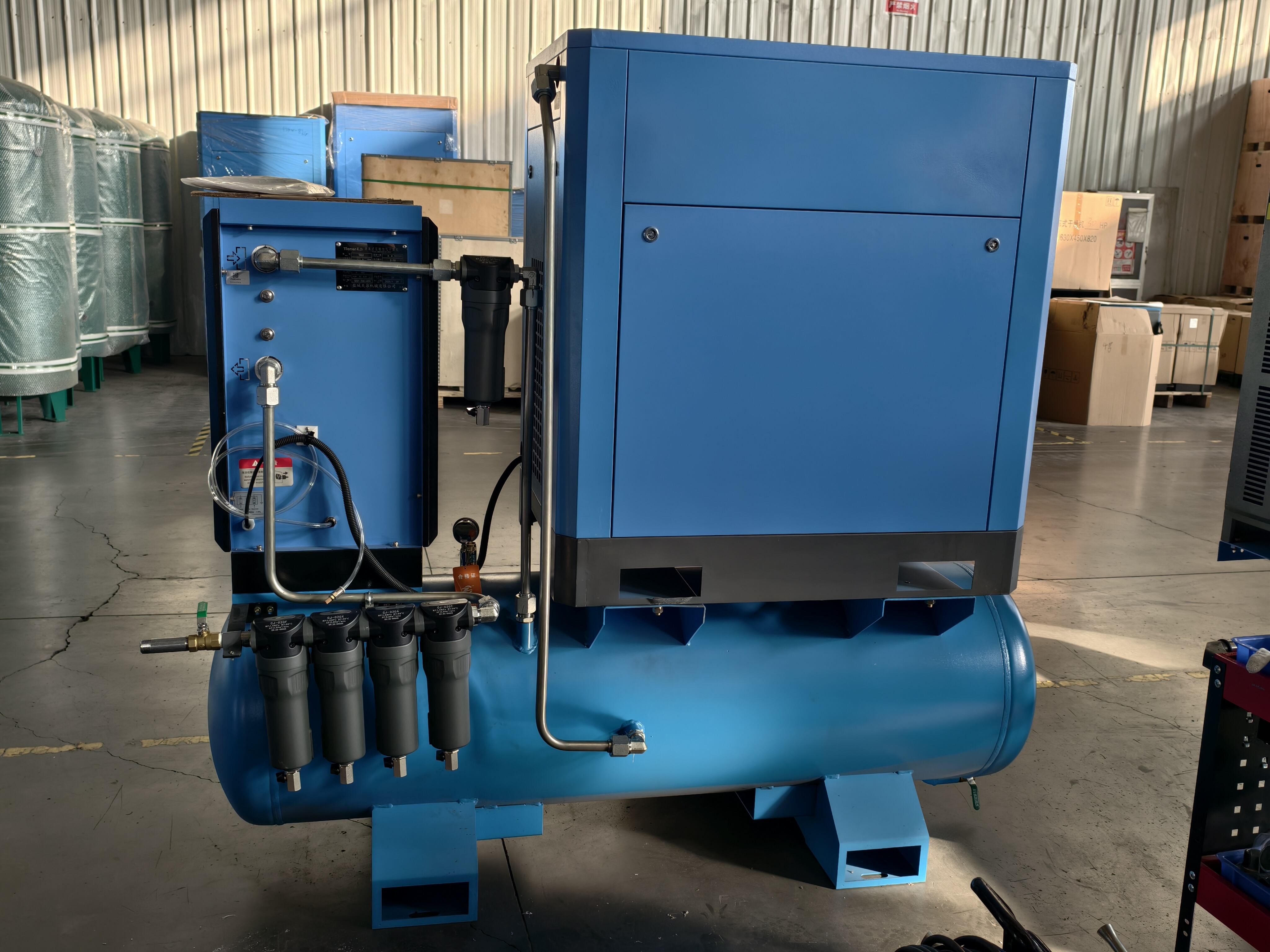
Pressure Relief Valve Activation: When It Signals Underlying Failure vs. Proper Function
When too much pressure builds up in a system, pressure relief valves (PRVs) act as a safeguard for the system by letting off excess pressure in order to prevent a blow up. However, if PRVs are being activated frequently, there may be a more serious issue at hand. Issues related to the system such as pressure regulators that have become inoperative, a check valve that is stuck, or pipes where pressure is meant to be released that are clogged can mean there are more serious issues at hand. A study published in the Industrial Safety Journal last year states that if a PRV is activated more than twice a month, there may be cause to investigate further to find the root cause of the abnormal pressure build up. In order to analyze if the PRV is simply doing its job, or if it is signaling that there are larger operational issues, maintenance teams must determine the correlation between the frequency of PRV activation and the data from the pressure monitoring system, as well as evaluate the operational status of the valve downstream of the PRV.
Corrosion Prevention via Aftercooler Maintenance and Effective Management of Condensate
In humid conditions, moisture buildup causes pitting in receiver tanks and rust in distribution lines, resulting in a 30–50% reduction in the lifespan of the equipment. There are three primary strategies to combat this problem.
Automated condensate drains: Timed and zero-loss drains can be programmed to automatically drain condensate buildup to prevent pooling.
Periodic aftercooler efficiency audits: Aftercoolers should have the fins cleaned and obstruction removed quarterly to maintain a 15-20°F approach temperature of compressed air to coolant.
Desiccant inspections: Media drying is to be replaced if the humidity sensors are > 40% RH or dew point specifications are exceeded.
Moisture management proactively reduces the need for repairs related to corrosion by 72% each year while achieving compliance with the ISO 8573-1 Class 4 air purity standard.
FAQs
Why do industrial air compressor motors hum but do not start?
Humming and not starting is usually a symptom of a voltage issue, a stuck contactor, or a mechanical obstruction. The technician should check voltage levels, and the contactor should be visually inspected for burn or corrosion.
How can a compressor be maintained to prevent overheating?
Regular maintenance of lubricants, cooler cleaning, and the introduction of temperature-controlled ventilation (to avoid a cycle in which cooled air is replaced by hotter air) are all measures to avoid overheating of the system.
What are common reasons for pressure changes in systems for air compressors?
Pressure switches may malfunction. Other components may leak, valves may be faulty, and gaskets may wear. These problems can be located using thermal and ultrasonic imaging.
What can be done to reduce noise and vibration in industrial compressors?
To reduce noise and vibration in industrial compressors, identify and replace worn bearings, adjust misaligned components, and complete a vibration analysis to prevent loss from mechanical issues.
What maintenance activities can be done to prevent damage caused by moisture in compressors?
To prevent damage caused by moisture in compressors, focus on condensate management and moisture control by checking the efficiency of your aftercooler, and by replacing desiccants when the sensors indicate.