 EN
EN


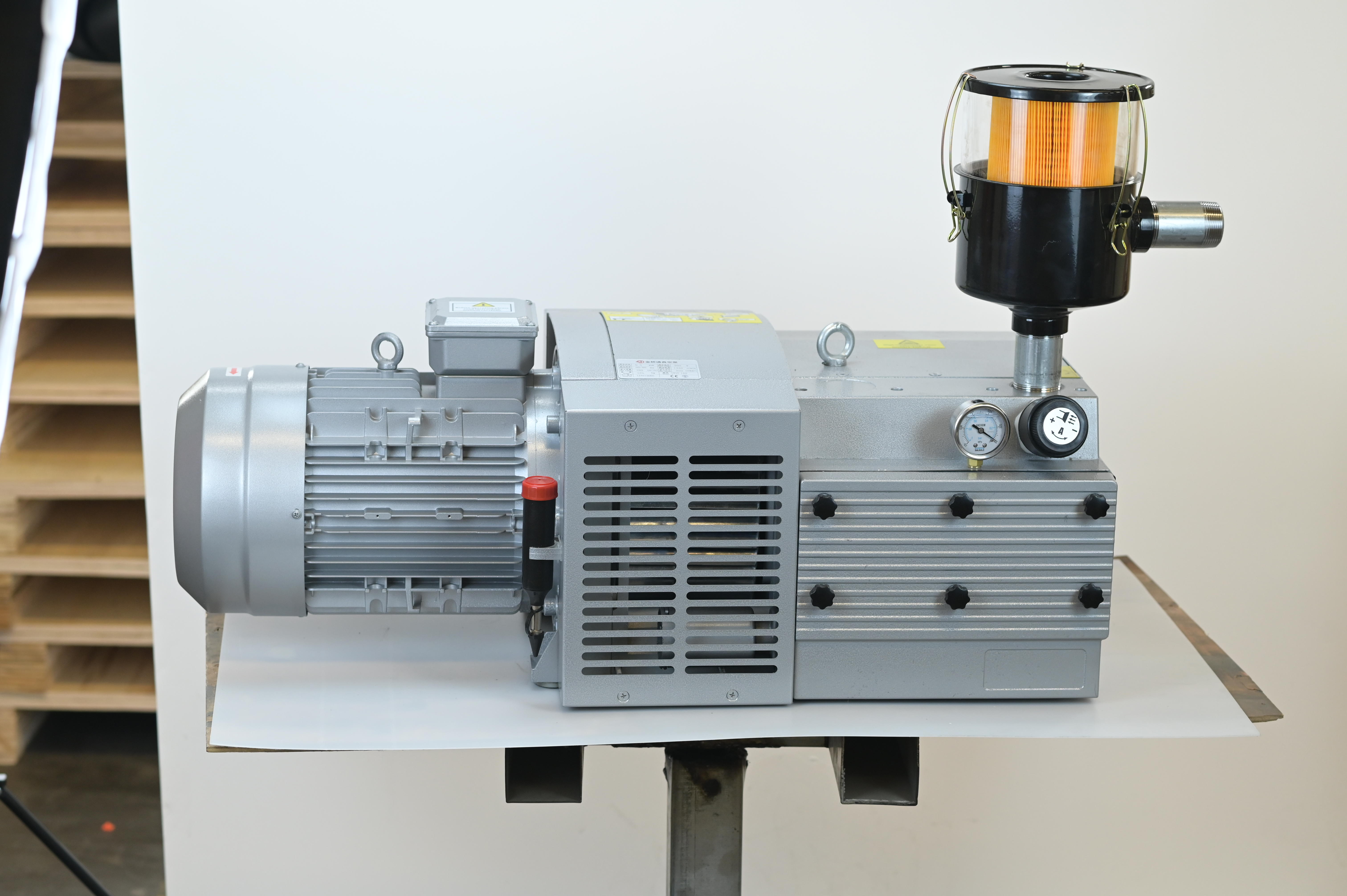
Semiconductor Manufacturing: Sub-10nm Fabrication with Dry Vacuum Pumps
Ultrahigh Vacuum in Photolithography and Etching
Sub 10nm features in semiconductors require ultra high vacuum environments of <10^-7 mbar in extreme ultraviolet lithography and plasma etching. Residual gases interfering with EUV light paths and plasma destabilizing are critical for the definition of features in transistor gates and interconnects. Dry vacuum pumps remove the gas. Advanced dry vacuum pumps utilize scroll and claw mechanisms that are vibration free. This prevents misalignment on the order of <10nm across silicon wafers. With the industry focused on 3nm and smaller features, UHV capable dry pumps are a necessity to manufacture next generation chips.
Oil-Free Pumps: Essential Equipment for Advanced Nodes and Contamination Control
At atomic-scale precision, even minute levels of hydrocarbon contamination can drastically impact yields. A single one-micron particle can cause multiple transistor failures. The issue of contamination is mitigated with the use of dry vacuum pumps, as their compression chambers remain oil-free, eliminating backstreaming. This is especially important for CVD applications, as the presence of oil can negatively impact the film quality due to interference with the dopant gases. Interestingly, semiconductor manufacturers have observed that many leading fabrication facilities report approximately a 40% decrease in defect levels after the implementation of dry technology. For those working with sub-7-nanometer technologies, complete oil-free operation is a must.
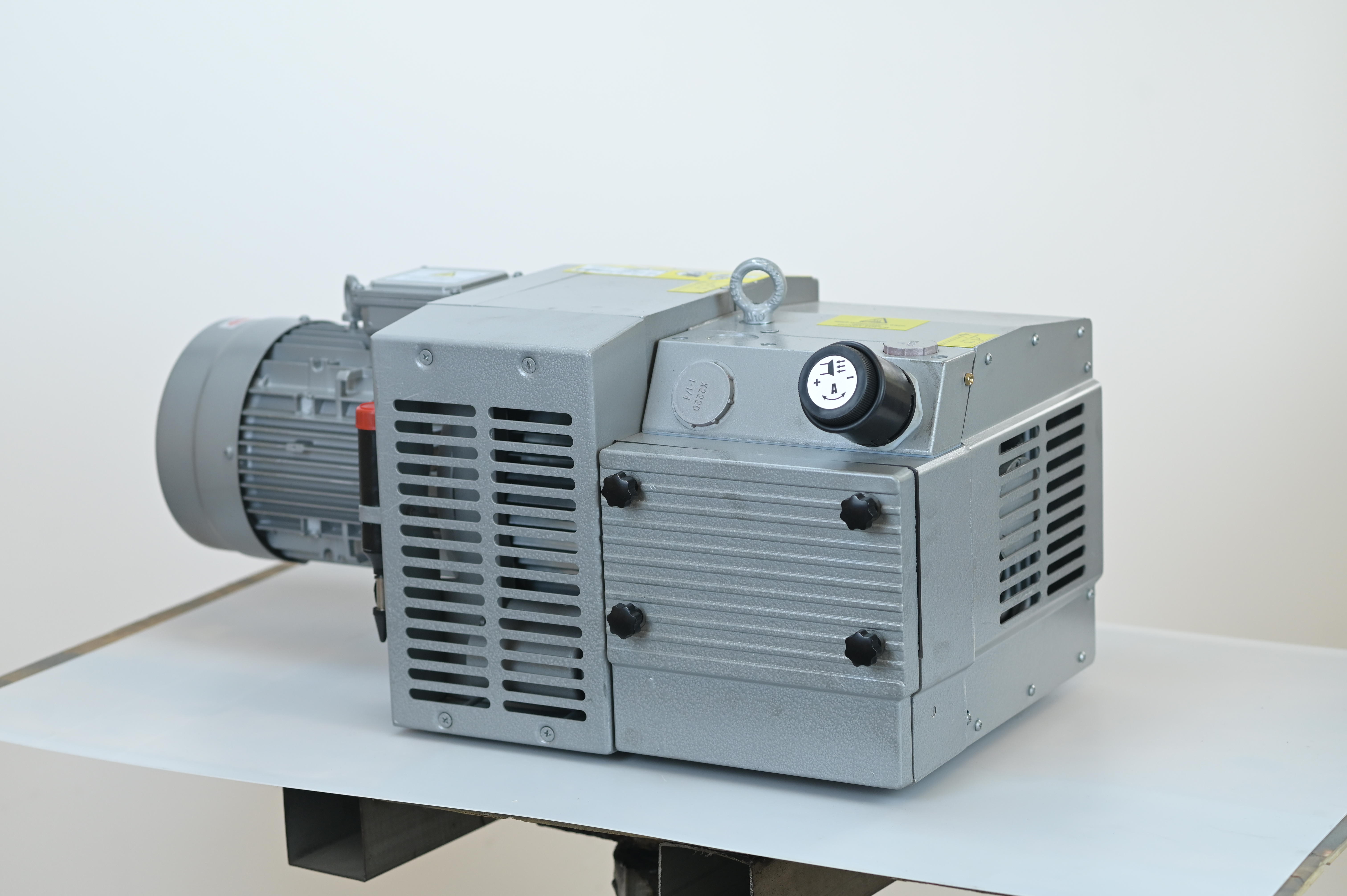
Advanced Display & Energy Materials: Dry Vacuum Pumps for LED, OLED, and Battery Manufacturing
Crystal Growth and Thin-Film Deposition: Monocrystalline Silicon and OLED CVD Dry Vacuum Pumps
Dry vacuum pumps provide the necessary oxygen free conditions for the fabrication of high purity monocrystalline silicon and the deposition of OLED thin films. In the production of solar grade silicon, even microscopic quantities of oxygen can result in the disruption of the crystal lattice, and in turn reduce the efficiency of the solar cells by 5 to 8 percent. Similar challenges are faced by the OLED industry in relation to the chemical vapor deposition (CVD) of OLEDs. For CVD, the vacuum must be below 0.001 mbar to prevent oxidation of the organic layer prior to the formation of the layers. This can result in poor pixel uniformity. In contrast to oil lubricated pumps, dry pumps do not vent hydrocarbons into the deposition chamber thus preserving the compositional uniformity of the deposited thin films. Some designs of claw type dry pumps can be operated at 99.9% of the time free of particles which is crucial when working with quantum dots and micro LED arrays that require angstrom-level control.
This precision lets display manufacturers attain remarkable specifications in which color reproduction exceeds 98% of the DCI P3 color space.
Lithium-Ion Battery Manufacturing: Slurry Degassing, Electrode Drying, and Electrolyte Filling
Production of lithium ion batteries is heavily impacted by the presence of moisture, and therefore, oil-free vacuum technology is imperative. In the slurry mixing process, dry pumps get rid of troublesome air pockets that cause bubble formation in the slurry coatings, which can reduce cell capacity by 15%. For the electrode drying process, vacuum pumps keep moisture levels below 100 ppm, even at 150 °C. This allows manufacturers to evaporate NMP solvent without damaging the nickel-rich cathodes. Perhaps the greatest advantage of these vacuum pumps is in controlled electrolyte filling, where precise, controlled vacuum levels allow for thorough electrolyte filling of tiny pores in the separator while mitigating lithium plating due to trapped gas bubbles. Battery manufacturing plants that have implemented dry manufacturing systems have reduced drying cycle related issues by 40%. Additionally, they no longer contend with product contamination due to oil vapor. Lastly, since dry vacuum pumps are cleanroom compatible, they have the added benefit of enabling research on solid-state batteries.
Backstreaming-Free and Stable Vacuum Engineering for R&D and Production
Magnetron Sputtering and Pulsed Laser Deposition under 10^-6 to 10^-8 mbar
In pulsed laser deposition and magnetron sputtering processes, it is crucial to have continuous vacuum conditions within the level of 10^-6 to 10^-8 mbar. Fluctuations, even at the 10^-9 mbar level, can create coating imperfections, and during the fabrication of optical components or superconducting materials, this can reduce production yields by more than 30%. While traditional vacuum systems have been unable to provide backstreaming protection, dry vacuum pumps have been able to offer continuous, backstreaming-free, and hydrocarbon-free evacuation, eliminating contamination of the substrate surfaces and the distortion of film composition ratios. Vacuum pumps are most effective for coating semiconductor devices, MEMS sensors, and advanced photonic applications because the control of reactive gases during the coating process is crucial to producing nanoscale films with precise thickness, uniformity, and adhesion.
Higher overall throughput rates and significantly lower long-term operational costs for facilities with high precision coating operations results from bottom line benefits such as more maintenance stops and less time cleaning.
Dry Vacuum Pumps for Life Sciences & GMP Compliance: Lyophilization, Sterile Filtration, and Analytical Instrumentation
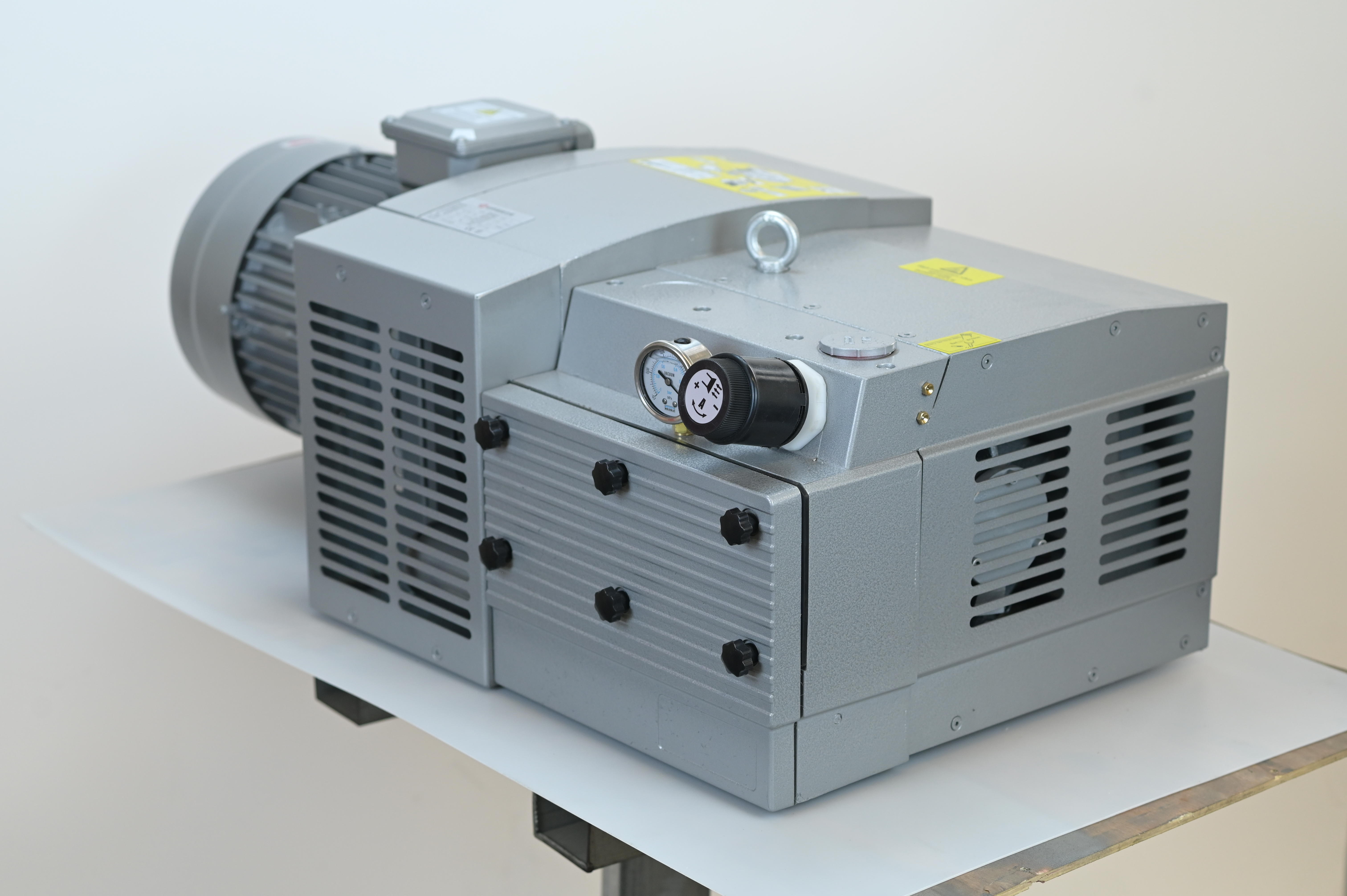
The importance of dry vacuum pumps in life sciences cannot be overstated, as the impact of product failure can be life threatening. In a lab setting, these pumps help the lab manage regulatory compliance and keep workflow uninterrupted. In freeze-drying, biological sample water removal, and a vacuum filter for injectable drugs, an oil-free design is critical. Microbial growth is a risk with drug filters that contain even a small amount of hydrocarbons. The hermetically sealed design also prevents backward flow of contaminants, providing GMP compliance: clean, traceable, and audit-ready operations. In the analysis of some instruments, such as mass spectrometers, dry vacuum pumps are used to eliminate the influence of volatile organic compounds on the measurements. The Ponemon Institute reported that in 2023, the average cost of a contamination incident was approximately $740,000. It is important for these dry vacuum pumps to provide reliable operation because failure can result in significant financial loss. Furthermore, these systems are designed for ISO Class 5 - 7 cleanrooms, and provide sterility from basic research to production.
FAQ Section
What purpose do dry vacuum pumps serve in the manufacturing of semiconductors?
The dry vacuum pumps are vital in developing ultra-high vacuum conditions for the extreme ultraviolet photolithography and plasma etching processes, removing residual gases to provide stable plasma and unobstructed EUV light paths, which are all fundamental for defining sub-10nm features of the semiconductor.
What is the significance of oil-free operation in advanced semiconductor nodes?
Oil-free operation is important because hydrocarbon contamination – the result of oil-lubricated pumps – can cause defects that in turn negatively impact yields, such as shorts in transistors. This is why dry vacuum pumps are critical for processes, such as chemical vapor deposition.
What are the advantages of dry vacuum pumps in the production of OLED and batteries?
Organic materials in the production of OLED are oxidized and as a result, the quality of pixel is not consistent, this therefore calls for the production of batteries to eliminate moisture and to improve the performance and capacity of the cell by facilitating the filling of electrolyte to the desired level. This is only made possible by the dry vacuum pumps in the production of OLED and batteries.
What are the functions of the dry vacuum pumps in the life sciences?
In the life sciences, the dry vacuum pumps help comply with GMP by providing a contamination-free environment for the lyophilization and sterile filtration processes, as well as to inhibit the growth of microorganisms in injectable medicines and to protect the functioning of the analytical instruments.