 EN
EN


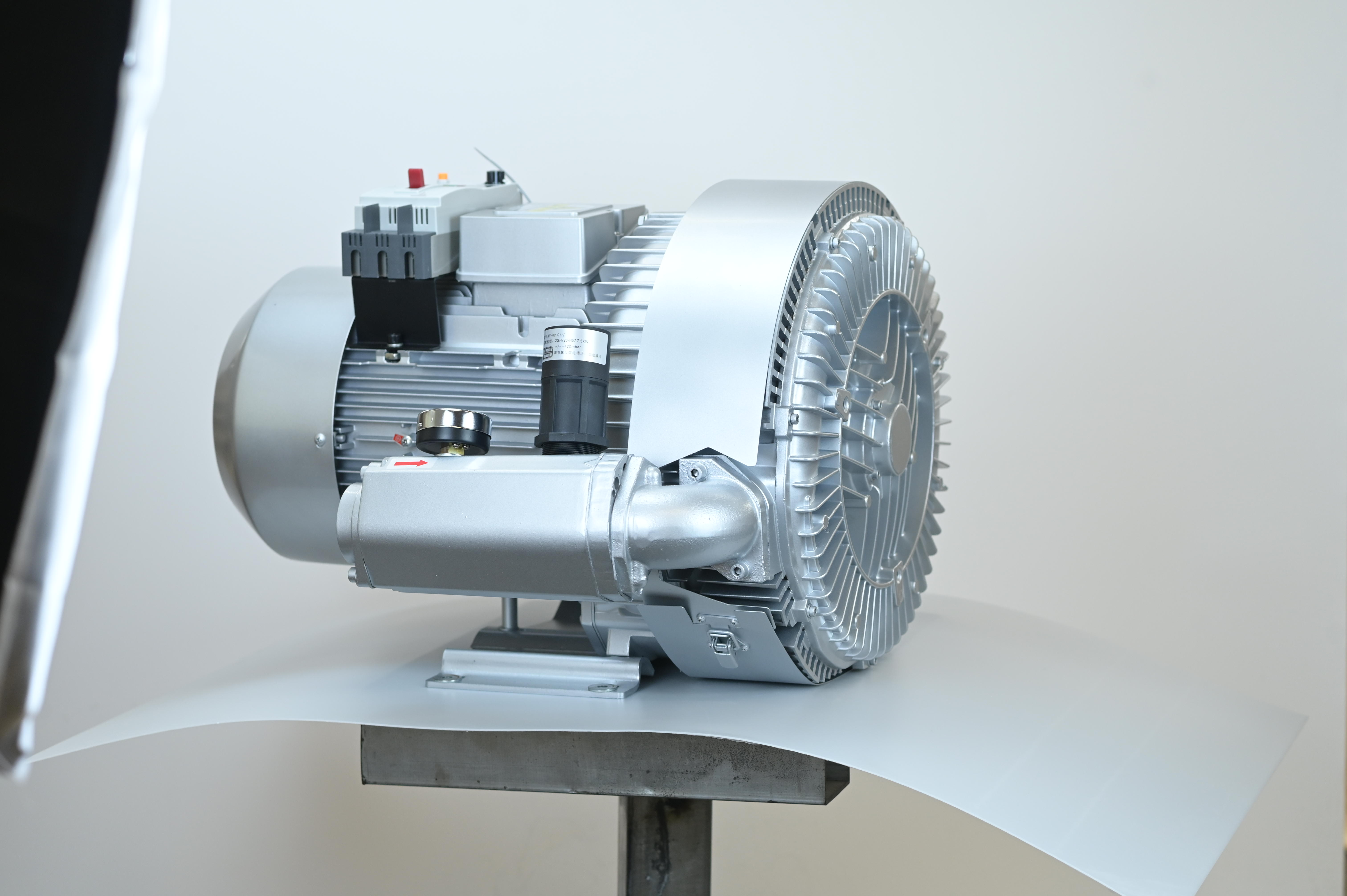
When buying industrial vacuum pumps, some measurable performance standards should be considered. These standards indicate the efficiency of the pump in aggressive environments and its longevity. Three standards are mandatory:
Air flow Capacity (CFM)
CFM is the measure of air flow. It defines the speed at which the pump transports particles. For coarser wood or metal dust, a minimum of 500 CFM is required in order to avoid clogging of the ducts. For the transport of fine dust, the conveying speed should be greater than 4000 FPM.
Filter Efficiency (MERV 15+/HEPA)
Regardless of the type of dust that is collected, efficient filters are critical for protecting pumps from abrasive dust. Inefficient filters lead to increased pump wear caused by the recirculated abrasive dust. In silica-heavy industries, the wear could be accelerated by as much as 70% (OSHA, Technical Manual TED 1-0.15A).
Energy consumption
When dealing with pumps, energy consumption becomes a focal point. The combination of motors and variable frequency drives (VFD) is expected to reduce energy consumption by 40% at partial-load operation (while maintaining constant flow and pressure).
The NFPA 652 guidelines for handling explosions (using aluminum dust with Kst values over 300 bar m/s as an example) and OSHA’s Permissible Exposure Limits (PELs) present a number of compliance challenges. These regulations outline how to appropriately implement sealing, grounding, and explosion protective measures. The Ponemon Institute recently released industry reports detailing how companies that ignore these safety measures often suffer catastrophic failures and lose hundreds of thousands of dollars. As such, when purchasing industrial pumps, look for more than compliance regulations. If operations require consistent and reliable performance for tough extraction work, then choose pumps that won't take compliance regulations as an upper limit.
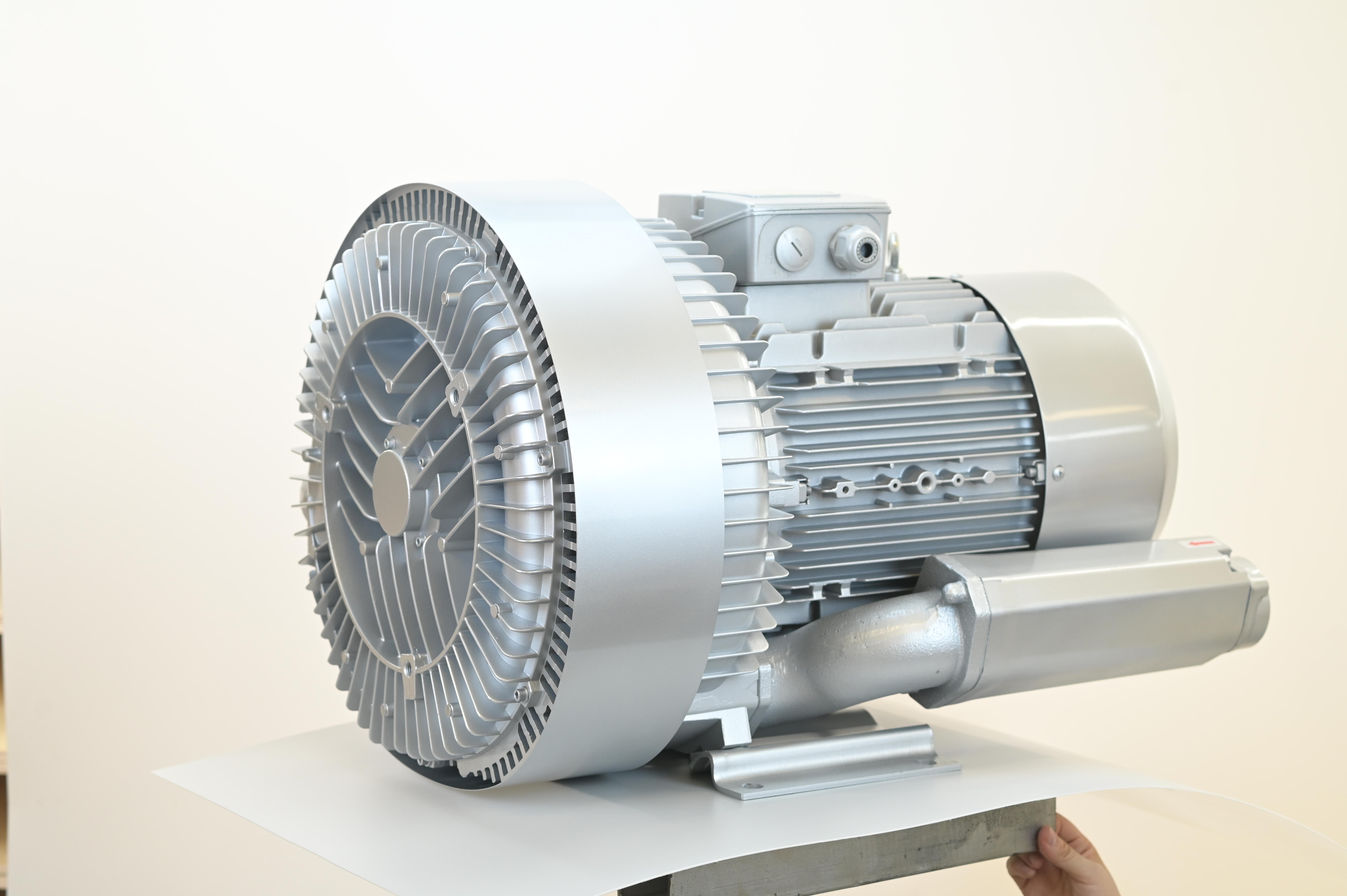
Types of Industrial Vacuum Pumps: Rotary Vane, Liquid Ring & Dry Screw
When looking for the best industrial vacuum pump, performance needs to be compared with the hazards of what the pump will be used with and the operational requirements. The biggest differences are with vacuum depth, how long the pump can be used continuously, and the resistance to contamination of the pump:
Pump Type Vacuum Level Duty Cycle Ideal Contaminants Critical Limitation
Rotary Vane High (0.1 mbar) Intermittent Fine dry dust Oil contamination risk
Liquid Ring Medium (50 mbar) Continuous Moist/abrasive particles Liquid seal maintenance
Dry Screw/Roots Blower Medium (1 mbar) Continuous Explosive dusts Higher initial cost
Rotary Vane Pumps: High Vacuum, Intermittent Duty, Fine Dust Applications
Oil-regulated pumps can reach extremely deep vacuum levels, and can even go as low as 0.1 mbar, which means they can capture really small particles (like silica dust and toner dust.) But this means that even with the most abrasive materials, there is going to be this risk of oil contamination with the pumps. The wear and tear of the oil seals and the vanes can really start to thin out the efficiency of the pump. In fact, it was found that efficiency dropped by 37% after only 500 hours of the pump being used to collect wood dust that was bigger than 15 microns. Because of this, pump works best for tasks that don't take too long, but require really strong suction power.
Consider the batch processing operations or cleaning small areas where it is okay to have some oil mixed in with the collected materials, and where there are opportunities for regular maintenance breaks within production cycles.
Liquid Ring Pumps: Tolerant to Moisture & Abrasives, and Continuous Flow
Water-sealed operations have a great level of efficiency when dealing with wet slurries, those irritating corrosive dusts, and even abrasive residues, staying damage-free internally. These units can maintain a vacuum level of approximately 50 mbar, running nonstop day after day. We've observed this during pigment transfer and granite cutting operations. Components lasted much longer than those in conventional rotary vane pumps. Some components exhibited less than 20% of the typical wear. Proper water treatment for contaminated discharge streams is very important. Without adequate treatment, scaling and biological growth become real problems.
Duty Free from Oil, Explosive Proof, Complying with NFPA 652 Dry Screw & Roots Blowers
Screw elements do not cause sparking since they’re not lubricated, so they’re ideal for combustible dust per NFPA 652. In fact, dry spark detection ATEX screw pumps are safer with high Kst metals and plastics (Kst > 150 bar·m/s). In practice, research says fire incidents are 92% lower. For larger needs, Roots boosters are next. They outperform standard systems in larger volume applications. Also, with proper gas tight sealing, they not only protect employees from explosion risks but also assure that clean air is maintained and that compliance with manufacturers’ regulations is achieved.
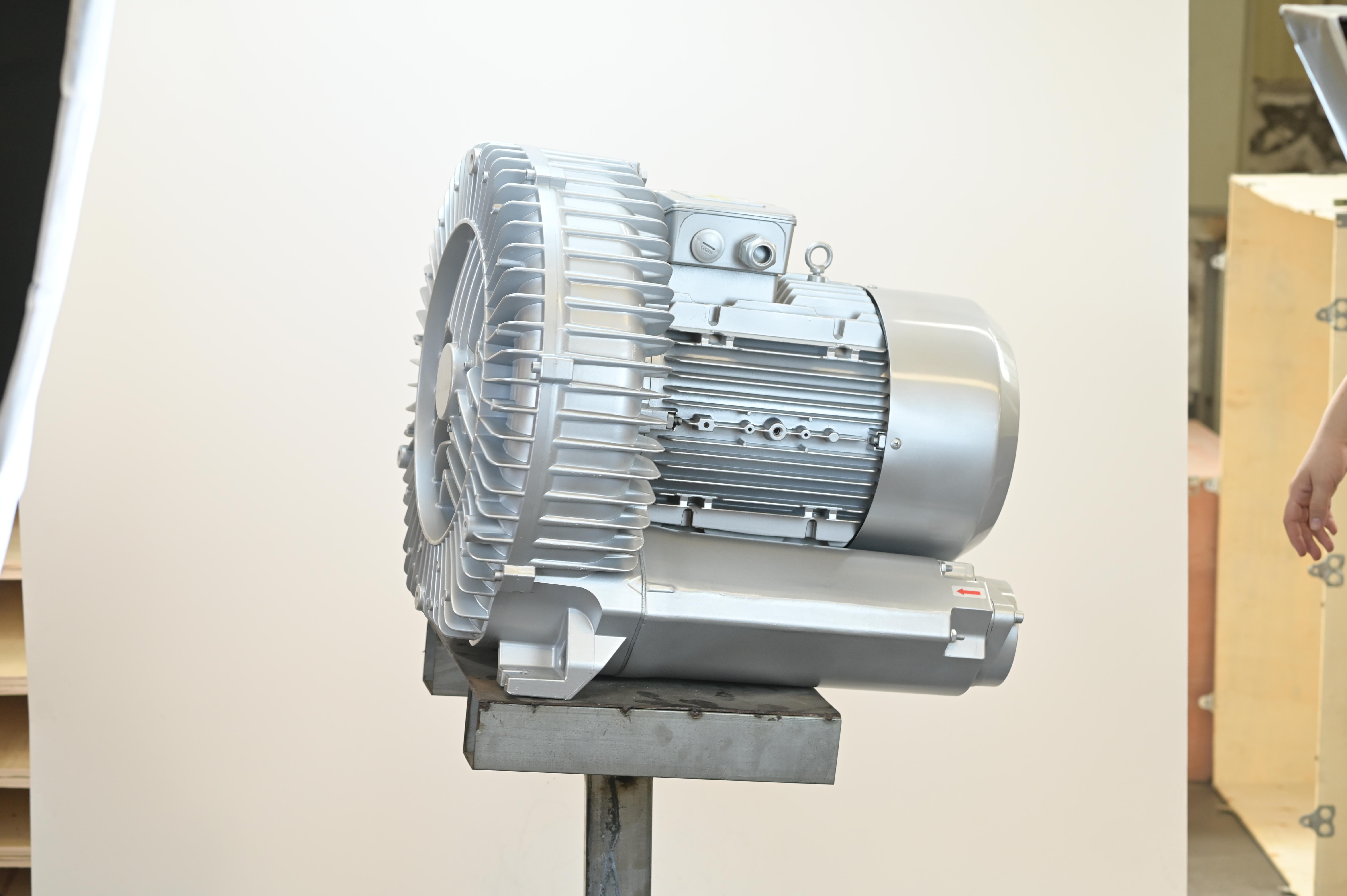
Vacuum Pumps in Industry: Multi-Stage Filters and HEPA Systems
The performance and lifespan of industrial vacuum pumps are dependent on the effectiveness of the filtration system. In vacuum pumps, multi-stage filtration systems that include HEPA filters protect the mechanisms from being affected by fine dust and reduce the operational load on the system.
How the Design of Filtration Systems Influences the Lifespan and Operational Efficiency of Industrial Vacuum Pumps
Regarding mini and micro particle filtration, fully-sealed HEPA (High-Efficiency Particulate Air) systems, capture between 99.97 and 99.995 percent of particles, protecting pump internals from abrasion. Systems that capture and retain particles of fewer than 0.3 microns (approximately the size of bacteria) place significant strain on the valves, seals, and motors. In 2022, the Department of Energy published a study called Operating and Maintaining Large Industrial Vacuum Pumps, which clearly states that ignoring the filtration system may increase maintenance costs by 40 percent. Properly designed multi-stage filtration systems allow consistent airflow and reduce the likelihood of overheating, increasing the operational efficiency of the pump. When considering the purchase of an industrial vacuum pump, take time to explore the pump's compatibility with various filtration systems. Selecting a vacuum pump that has easy access to the filters and pressure monitoring gauges. Additionally, consider vacuum pumps that are compatible with automatic filter cleaning systems. These features make vacuum pumps more reliable in industrial settings.
Application-Driven Selection: Matching Industrial Vacuum Pump Specs to Material, Hazard, and Duty Requirements
Wood, Metal, Plastic, and Composite Dust: What are Their Size, Explosivity, and Moisture. How do these factors influence Pump Type and Sealing?
The nature of the varied materials is a determinant for the ideal industrial vacuum pump setup. For example, wood dust is around 500 microns or smaller and is classified under NFPA 652 Class II, which means that facilities require ATEX approved dry screw pumps with non sparking and conductive ductwork. If dealing with metal dust, for example titanium or aluminum, then rotary vane systems will need to have hardened parts, as these materials are quite abrasive. Plastic dust can create a challenge by requiring anti-static housing and proper grounding in the filtration system to control the electrostatic charge in the system. Composite materials can tend to have moisture or binders, which is why corrosion resistant liquid ring pumps made of stainless steel are typically the best option. Failure to account for these details may lead to serious consequences. The NFPA's latest report on fire and explosion losses for 2023 indicates that each case of combustible dust generates, on average, 740,000 dollars worth of losses.
Verifying specifications of the pumps for sealing classes, motor protection ratings, temperature tolerances, and filtration integration, as well as cross-checking materials safety data sheets before making final decisions, is extremely useful.
FAQ
How are CFM and FPM important to dust extraction?
CFM (Cubic Feet per Minute) and FPM (Feet per Minute) refer to airflow volumetric flow rate and airflow velocity, respectively. These metrics are important to the system because they measure the effective transport of dust particles through the ductwork, which prevents dust from clogging the system and ensures the extraction system works as intended.
What are the consequences of not adhering to OSHA and NFPA guidelines?
Workplace injuries, explosions, and fines are all possible outcomes if the existing controls and state-of-the-art sealing, grounding, and explosion protection measures are not provided. Because of this, OSHA and NFPA guidelines must be followed.
What is the relationship between vacuum pump efficiency and filtration systems?
Vacuum pumps are protected from damage when HEPA filters capture more than 99% of the dust. HEPA filters reduce the recirculation of dust, which prolongs the vacuum pumps. This is why HEPA filters are so important to vacuum pumps.
What are some major differences between Rotary Vane, Liquid Ring, and Dry Screw pumps?
Rotary Vane pumps run the risk of oil contamination, but provide the deepest vacuum levels that are suited for fine dry dust. Liquid Ring pumps provide tolerance to moisture and abrasive particles, even with continuous operations, and Dry Screw pumps run oil-free and are best for explosive dusts.
What is the importance of a pump's duty cycle?
The duty cycle indicates how a pump might operate in the long term, either continuously or intermittently. This allows a user to choose the pump that best fits a particular operational need, the type of material and environmental conditions, without excessive pump wear.