 EN
EN


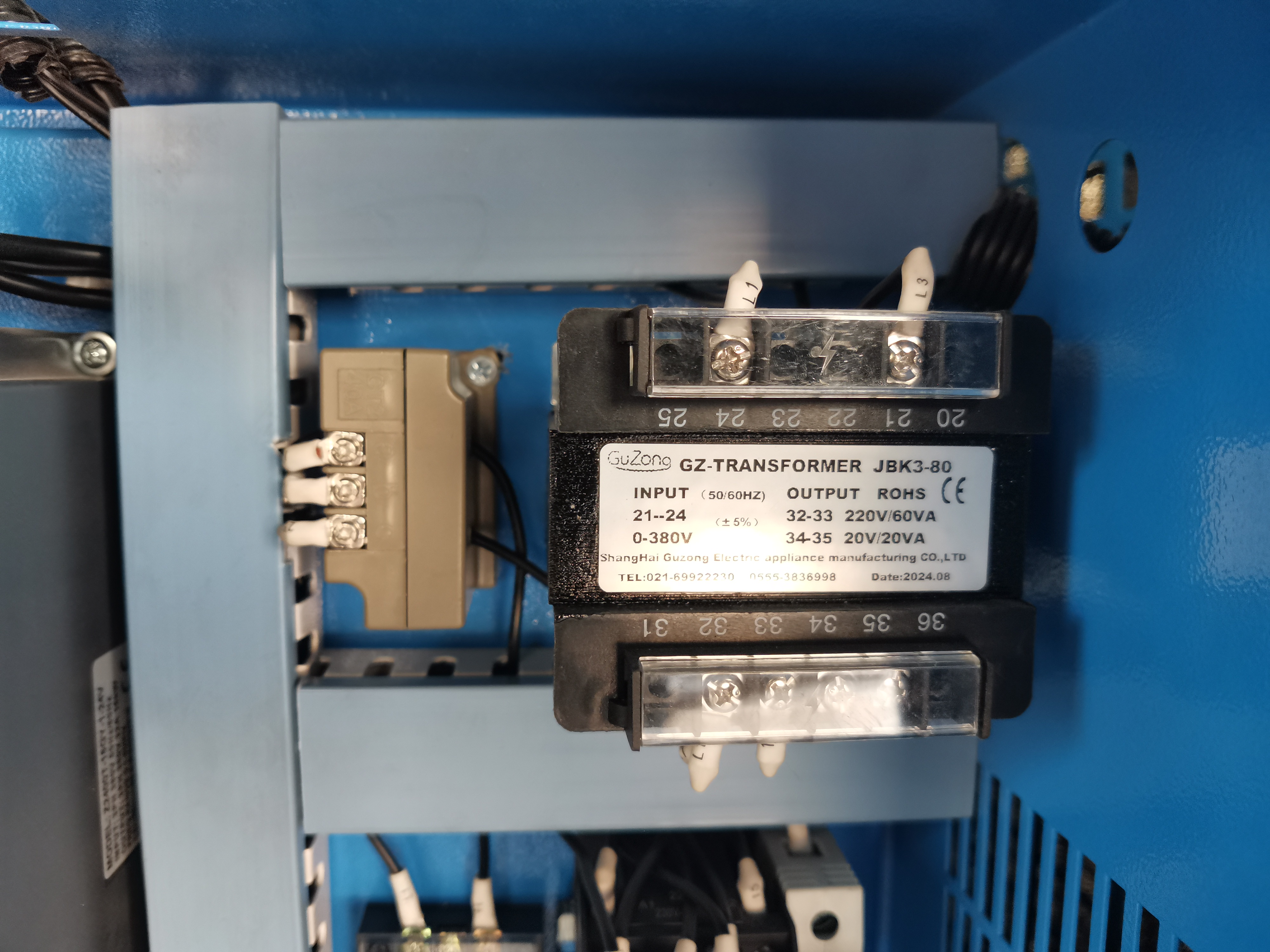
Always Operating Air Compressors in Manufacturing Plants
Those factories that operate nonstop and require continuous air supply to their systems for smooth functioning of their operations must have screw compressors. The rotory design ensures uninterrupted airflow and constant air delivery and avoids overheating. Piston compressors need operational breaks and cool downs, screw compressors keep going nonstop in the day and in the night, during the long operational runs, in the weekends. This pattern has been proven in the automotive and in the pharmacy industry, where production stops result in enormous losses, like the ones described in the study of Ponemon Institute of 2023 that shows production stops of 740,000 dollars per hour. Their design helps in maintaining low vibrations and low wear of the components, frequent maintenance and problems are avoided thanks to provided maintenance alarms. The operational hours in which the machine remains available are the hours where the compressed air is supplied to the entire production process. At a certain point, in many industrial operations these machines have surpassed being a simple tool, and have been a part of the functioning simplification process.
Reliability has proven to be at 20-30 years on average with minor unscheduled downtimes.
Screw compressors average around 20-30 years before major work is required. This is due to the robust design, solid oil circulation, and maintenance performed on the machines. It has been determined that screw compressors have 40% less overall moving parts than older piston type compressors. During service checks (scheduled around) 8,000 running hours, the technicians do not disassemble the whole unit and instead just perform filter replacements, lubricant refills, and belt tension checks. Many factory reports support this. Unexpected breakdowns average under 1% annually and across all industries. Newer, better shape rotors, smart monitoring, and remote sensing, which notify operators when something starts going wrong, have created more manageable levels of what used to be a bald headache. Many facilities have reported being able, on average, to avoid high repair costs, to receive twenty years of service out of the units.
Cost Savings with Smart Control and Energy Efficiency with Screw Compressors
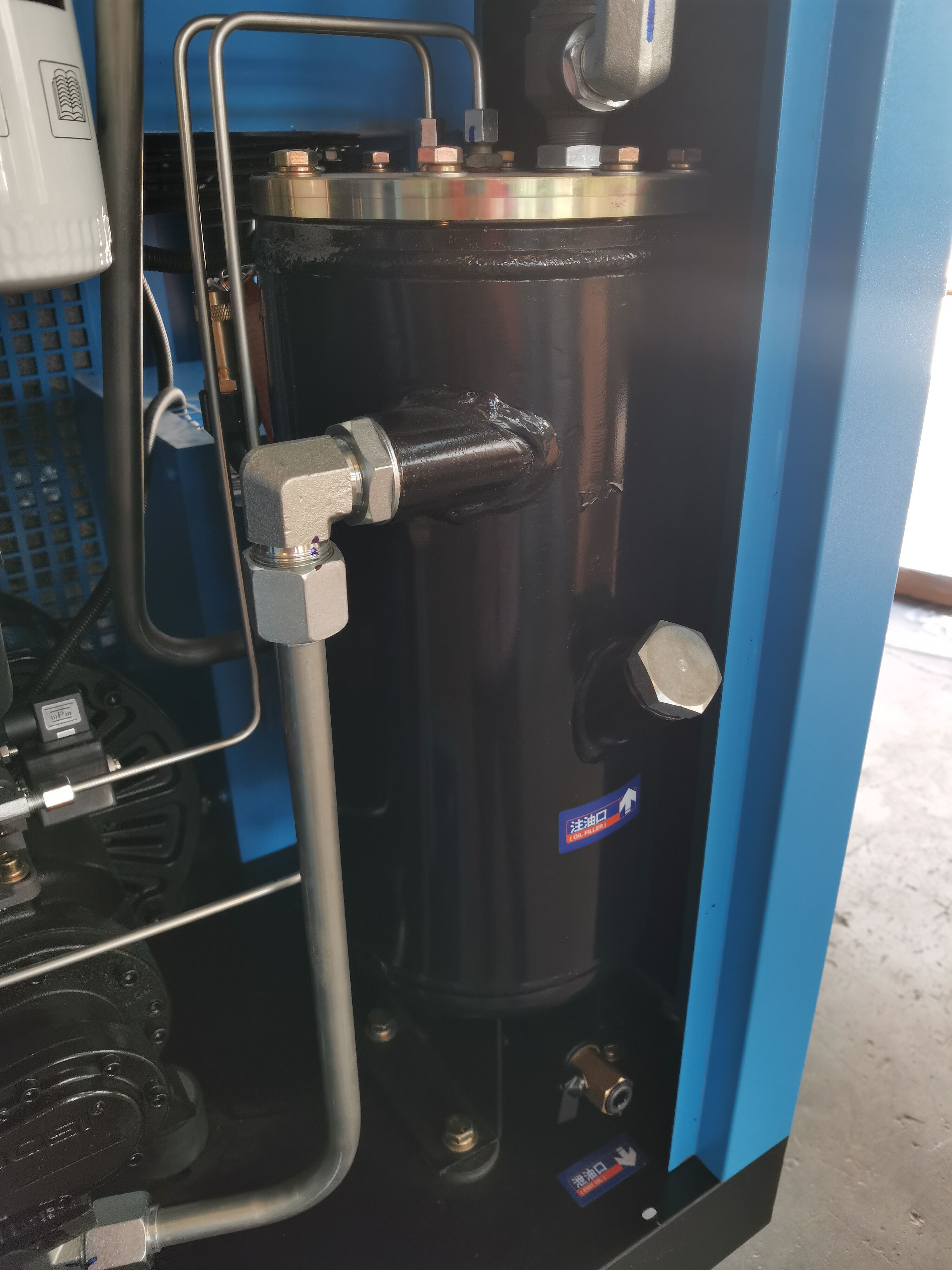
Load Matching with a Variable Speed Drive (VSD)
Screw compressors can now include Variable Speed Drive (VSD) technology that will adjust the speed of the motor to the need and will, therefore, be able to determine the most efficient control of the required air flow. On the other hand, traditional fixed speed compressors will cycle on and off and waste a lot of energy when operating below full capacity. The VSD technology reduces blasted air energy waste and eliminates the annoying pressure spikes. Most old school compressors waste energy as a result of fluctuating demand up to 20 to 40 percent. VSD technology reduces and even eliminates the need to cycle compressors frequently or increase compressor size in order to manage the pressure. VSD technology will in turn reduce energy consumption, increase the life of compressor components, and even reduce the demand on compressor components. The greatest advantage with VSD technology is that it can provide a greater level of sustainability with the fluctuating demands in batch and seasonal operations.
Screw vs. Piston Compressors: Real-World Industrial Data Shows 35% Average Energy Savings
Field data shows screw compressors save an average of 35% more energy than piston compressors. This is due to three main reasons:
1. Continuous rotary motion: This means there are no energy spikes like those caused by reciprocating motion.
2. With advanced sealing technologies, friction losses are reduced by 15% or more. This is also true for air leakage, and internal clearances.
3. Screw compressors create less heat and manage thermal heat better. This also means better efficiency with higher loads.
After retrofitting, manufacturing plants in the food processing and automotive industries save 30-40% on energy. It is the integration of screw compressors with modern control strategies that enables design and control-based energy savings and sustainability to be achieved. This means reduction of energy costs and achieving sustainability goals.
Low Total Cost of Ownership: Maintenance, Lifespan, and Design Efficiency
Profit Potential for Oil-Flooded and Oil-Free Screw Compressors
With screw compressors, the initial cost of the machine is less important than how well the machine is designed for the given application over the life of the machine, especially in relation to the air quality standards. The oil flooded units appear less expensive to purchase, but they have a number of ongoing costs that can be significant, such as regular oil changes and replacement of the expensive coalescing filters. Additionally, if there is oil contamination, there can be expensive cleanup costs. On the other hand, the oil free units eliminate all of the costs and issues associated with oil. Maintenance intervals can also be extended with the oil free units, typically to one half to one third of what is required with the oil flooded designs, even though the initial cost to purchase the unit is higher. Many customers find that this is a favorable trade off.
For a majority of industries, oil-free screw compressors will offer superior economics, especially those industries that require ISO 8573-1 Class 0 air quality. The oil-free screw compressors offer air quality that prevents contamination of the products. According to a recent study by the Ponemon Institute, the average cost to a company when product contamination occurs is approximately $740k, not accounting for the cost of the oil-free compressor. Also, there is no additional cost for filtration system upgrades, oil-free compressors do not require oils. For processes where air purity is not as critical, oil-flooded compressors are still a viable option for most industries. The maintenance intervals on the oil-flooded compressors are flexible and will generally fit within the operational budget.
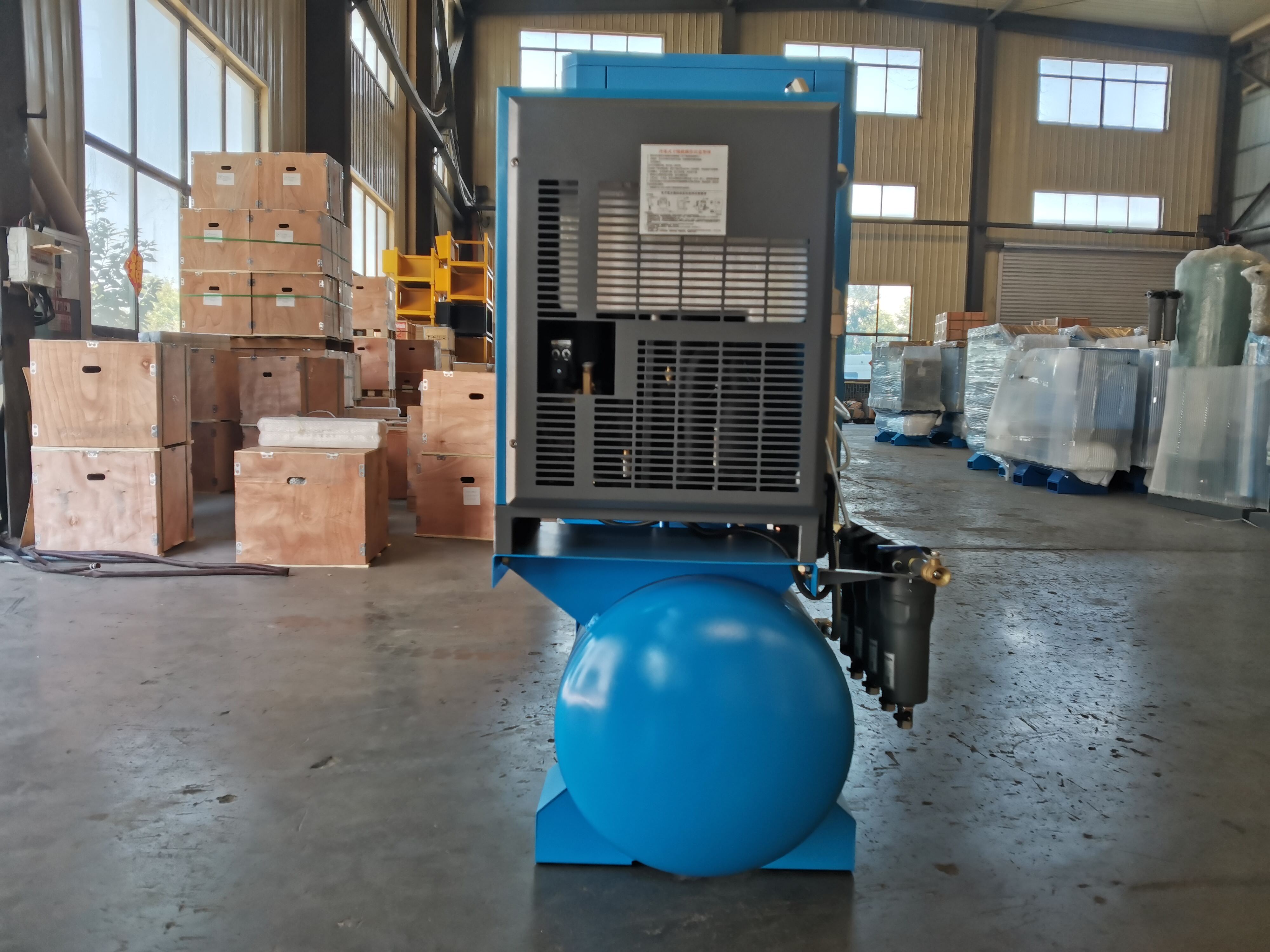
Ongoing and Steady Compressed Air Delivery for Sensitive Industrial Applications
Stable Pressure and Flow for Processes Requiring High Precision (CNC, Automation, Packaging)
Screw compressors provide a stream of compressed air that is much more smooth and steady than piston compressors, meaning that they have less pressure variation, which is critical for many CNC machining, robotic automation, and high-speed packaging applications. If the air pressure that is supplied to a process is too high or too low, then problems such as poor measurement of parts, incorrect assembly of components, or complete failure of air seals may occur. The pneumatic valves need to be operated with precise pressure, the lasers need to be cut with steady air and the vacuum conditions need to be maintained during the entire process of manufacturing. Stopping production in a plant is very expensive and a study on air compressor reliability in automotive manufacturing published in IMPO in 2023 estimated that automotive manufacturers may incur a loss of up to $50,000 for each hour of production downtime.
Class 0 Oil-Free Screw Compressors for Food, Pharma, Electronics, and More
For air purity to 0.01 mg/m3, industries that cannot have any hydrocarbon contamination rely on Class 0 certified oil free screw compressors. At this level, there is no danger of microbe growth on coated tablets, no defective solder joints on electronic assemblies, and no off taste in food and beverage products. As for filtration of particulates down to 0.01 microns, their air is 99.99% cleaner than that of lubricated compressors. The 2023 revision of the ISO Technical Report ISO TR 8573 9 states that their air is 99.99% cleaner than that of lubricated compressors. These compressors also meet the stipulations of FDA 21 CFR Part 11, and EU GMP Annex 1, which is why sensible companies of varied industries are adopting them. They'll also have to do less filtration upgrade as it is less expensive to maintain lower filtration than to replace it.
FAQ
What is the benefit of a screw compressor rather than a piston compressor?
The benefit of screw compressor is that they can be used for continuous use in critical manufacturing processes. This is because screw compressors provide smooth and continuous airflow without the risk of overheating or losing power.
How many years do screw compressors operate before a malady?
Performance malfunctions of a screw compressor typically occurs after 20 to 30 years of service. This is attributed to their good construction and the presence of good oil distribution systems, as well as routine and good maintenance practices.
What is the benefit of having Variable Speed Drive (VSD) technology in screw compressors?
The presence of VSD technology means that the screw compressor can operate at maximum efficiency. This is because the compressor can meet current demands, eliminating unnecessary use of energy and pressure spikes, and minimizing wear of parts.
Why do industries choose oil-free screw compressors over oil-flooded ones?
In industries such as electronics, food, and pharmaceuticals, where air purity is of high importance and oil-related maintenance costs and oil contamination is a concern, they choose to use oil-free screw compressors instead of oil-flooded ones.
Table of Contents
- Always Operating Air Compressors in Manufacturing Plants
- Reliability has proven to be at 20-30 years on average with minor unscheduled downtimes.
- Load Matching with a Variable Speed Drive (VSD)
- Screw vs. Piston Compressors: Real-World Industrial Data Shows 35% Average Energy Savings
- Ongoing and Steady Compressed Air Delivery for Sensitive Industrial Applications
- FAQ