 EN
EN


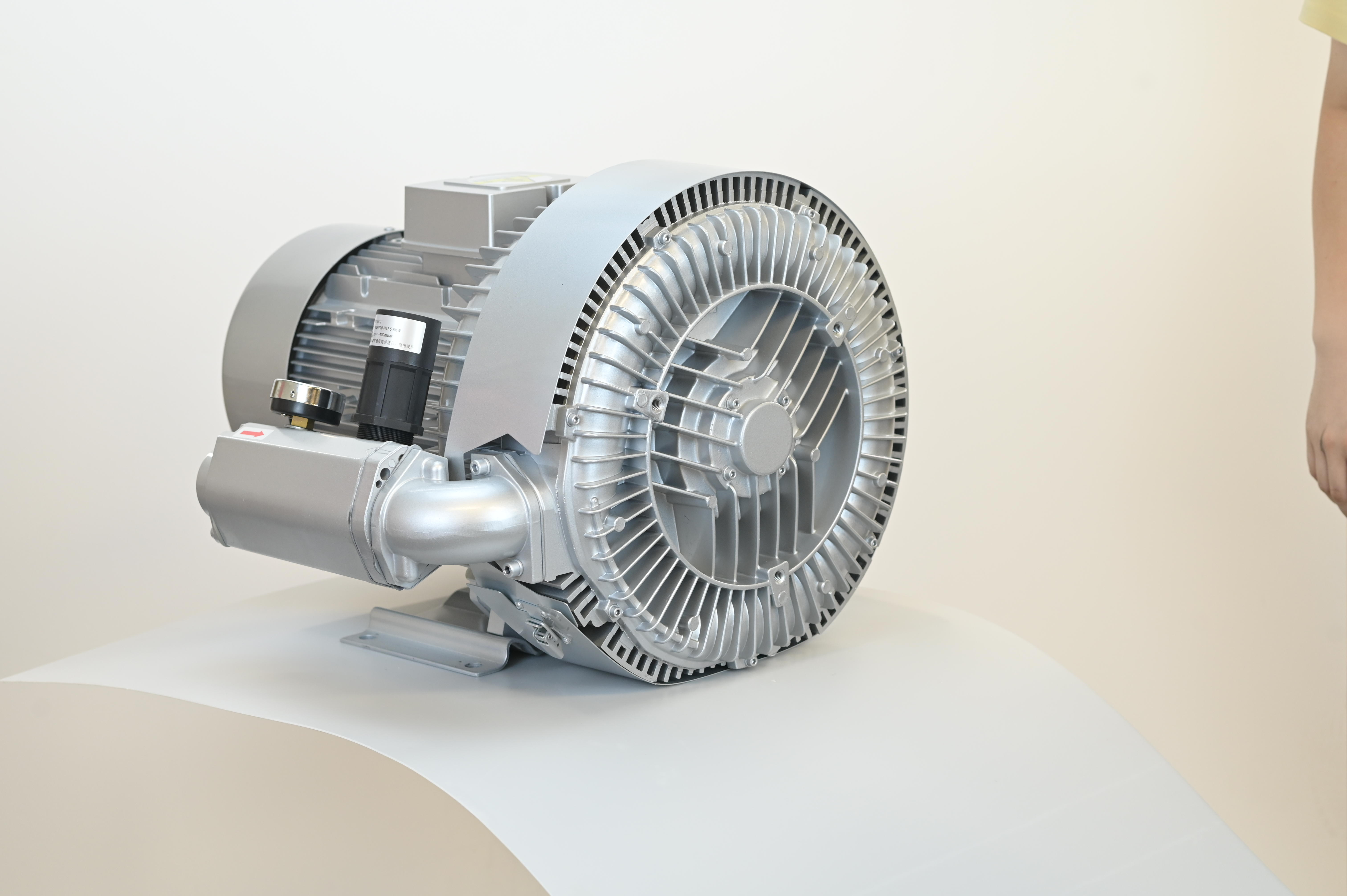
Industrial Vacuum Pump Corrosion: Causes, Coatings, and Prevention Strategies
Walk into any semiconductor fab, chemical processing plant, or waste treatment facility, and you will find industrial vacuum pumps running around the clock. These machines are the unsung heroes of modern manufacturing—but they face a silent, relentless enemy: corrosion.
Corrosion does not announce itself with loud noises or obvious failures. It creeps in slowly, eating away at internal surfaces, degrading seal integrity, and raising ultimate pressure until one day—the pump fails. The cost? In semiconductor manufacturing, unplanned downtime can exceed $100,000 per hour. In chemical processing, frequent rebuilds can inflate lifecycle costs by 30–50%.
Here is what facility managers, maintenance engineers, and procurement professionals need to know about corrosion in industrial vacuum pumps—and how to stop it.
The Corrosion Threat: How Process Gases Attack Pump Internals
Industrial vacuum pumps constantly draw in gas mixtures that become highly aggressive when moisture condenses. Acidic species like hydrogen chloride or sulfur oxides lower electrolyte pH and drive anodic metal dissolution, while alkaline gases attack aluminum and cast iron through hydroxide-mediated corrosion.
The mechanism: Even trace condensate can form localized galvanic cells—especially at grain boundaries—accelerating pitting and crevice corrosion. This degrades vacuum-tight seal surfaces, permanently raising ultimate pressure. Standard cast iron and carbon steel casings degrade rapidly in such environments, necessitating alternative materials or protective barriers to interrupt the electrochemical cascade.
In semiconductor processes, corrosive gases such as HCl and HF are generated as byproducts during etching and deposition. These gases can corrode pump components, leading to particle shedding that directly impacts yield. In chemical processing, gases may condense inside the pump, forming corrosive liquids that accelerate wear.
The economic impact: A corroded vacuum pump does not just fail—it fails expensively. One case study documented that a single vacuum pump failure cost a company close to $90,000 in repairs over nine months. Beyond direct repair costs, corrosion-induced failures force plant-wide shutdowns, trigger regulatory compliance issues, and damage brand reputation.
Anti-Corrosion Coating Technologies: Two Primary Approaches
When an industrial vacuum pump processes corrosive gases, internal surfaces are the first line of defense. Two dominant approaches exist: polymer linings and enhanced metal surfaces.
Polymer Linings (PVDF, ETFE)
PVDF (polyvinylidene fluoride) and ETFE (ethylene tetrafluoroethylene) linings provide thick, chemically inert barriers that isolate base metals from aggressive media. PVDF is widely used in pumps handling highly corrosive and hazardous media, with applications across chemical, electroplating, environmental, pharmaceutical, and semiconductor industries. ETFE offers superior impact strength, abrasion, and cut-through resistance, making it ideal for physically demanding environments.
Enhanced Metal Surfaces (Electropolished SS, HVOF-Sprayed Alloys)
In contrast, enhanced metal surfaces modify the substrate itself. Electropolished stainless steel removes surface imperfections to suppress micro-crevice initiation. HVOF-sprayed nickel-chrome or cobalt-based alloys deliver hardness and corrosion resistance without delamination risk under thermal cycling. HVOF coatings are used as replacements for environmentally damaging hard chrome in demanding, aggressive, wear and corrosive environments.
Selection criteria: Polymer linings are especially effective against wet halogens like HCl or HF. Metallic options retain superior thermal conductivity and dimensional stability, making them preferable where combined abrasion, temperature swing, and vacuum integrity are critical. The choice ultimately depends on gas composition, operating temperature, and leak-rate requirements.
Coating Selection: Three Critical Factors
Selecting an anti-corrosion coating demands rigorous evaluation of three interdependent factors:
-
Chemical compatibility – The coating must resist the specific process gas mix. PVDF resists highly acidic condensates but may embrittle above 120°C during rapid thermal shock. ETFE withstands a broader range of chemicals with superior impact resistance.
-
Thermal cycling stability – The coating must endure repeated temperature changes without delamination or micro-cracking. Electropolished and HVOF coatings withstand broader temperature ranges but offer less absolute barrier protection against certain wet halogens.
-
Vacuum integrity – Any coating that outgasses or develops micro-cracks elevates base pressure and risks process contamination. Pre-application compatibility testing, surface finish verification, and post-coating helium leak checks are essential to ensure long-term reliability.
From the field: In one semiconductor facility, a switch to a dry pump with a high-purity polymer lining resulted in a 40% reduction in mean time between failure. The lining created an inert barrier that preserved vacuum integrity while withstanding the thermal shock of repeated process cycles.
Critical Industries Relying on Corrosion-Resistant Pumps
Semiconductor Manufacturing
Wafer etching and chamber cleaning generate concentrated HCl and HF vapors. Unprotected pumps suffer rapid internal corrosion, causing vacuum instability and particle shedding that directly impacts yield. Turbomolecular pump blades are sometimes coated with ceramic (SiO₂) film to prevent corrosion. Modern dry vacuum pumps combine corrosion-resistant materials, dry vacuum technology, temperature control, and application-specific system design to enable safe, reliable operation even in the harshest environments.
Chemical & Pharmaceutical Processing
Chemical vacuum systems handle aggressive condensates—from acidic solvents in chlor-alkali production to corrosive mists in plating lines. Condensation inside the pump triggers electrochemical attack, particularly in halogen-rich environments. A solvent recovery pump exposed to hydrochloric acid condensate can lose up to 70% of its pumping speed within weeks. Coatings like ETFE or HVOF-sprayed alloys isolate metal surfaces; correct material selection prevents swelling, blistering, or micro-cracking—safeguarding both vacuum level and personnel safety.
Waste Treatment and Environmental Monitoring
Fume extraction systems in waste incineration and chemical neutralization pull mixed acid gases and saturated aerosols. Without corrosion-resistant construction, condensed sulfuric and nitric acid cause rapid deterioration—often within three months of commissioning. Modern pumps with thick film fluororesin coatings (up to 200μm) are available for suction of highly corrosive acidic and alkaline gases.
Beyond Coating: Design and Maintenance Strategies
While anti-corrosion coatings provide a critical barrier, long-term reliability hinges on robust design and proactive maintenance.
Design strategies:
-
Mechanical seals with flush arrangements and non-contacting labyrinth designs minimize process gas ingress at the shaft interface
-
Smooth, sloping surfaces prevent condensate pooling
-
Integrated gas ballast valves purge moisture-laden vapors before they catalyze corrosion
Maintenance best practices:
-
Regular vibration analysis and temperature trend monitoring detect early signs of bearing wear, impeller imbalance, or cavitation
-
Worn seals and shaft gaskets should be replaced before they allow corrosive gases to reach unprotected metal
-
Precise shaft alignment minimizes uneven loading and micro-cracking of protective coatings
-
Predictive tools—including oil analysis, ultrasonic leak detection, and thermography—schedule targeted interventions well ahead of failure
-
Routine flushing with compatible solvents after batch processing removes residual chemicals that degrade coatings and substrates over time
Combined with anti-corrosion coatings, these design and maintenance measures form a multi-layered defense—significantly extending service intervals in aggressive chemical environments.
Lessons from the Field
In one chemical processing plant we reviewed, the maintenance team was replacing vacuum pumps every 18 months due to severe internal corrosion. The pumps were processing hydrochloric acid vapors with condensate formation. The annual replacement cost exceeded $120,000—not including downtime and labor.
The diagnosis: The standard cast iron pumps were unprotected against the acidic condensate. The coating specification had been overlooked during procurement.
The solution: The plant upgraded to pumps with ETFE-lined internal surfaces and HVOF-coated impellers. The new pumps have been running for over four years with no corrosion-related failures. The annual maintenance budget for that pump station dropped by 85%.
Another example: a semiconductor fab was experiencing yield loss due to particle shedding from corroded vacuum pump internals. After switching to pumps with ceramic-coated rotors and polymer-lined chambers, particle counts dropped by 90%, and yield improved by 3%. Over a year, that translated to over $2 million in additional revenue.
These are not exceptional cases. They are the predictable outcome of treating corrosion as an engineering problem—not an inevitability.
FAQ
Why is corrosion a significant issue in industrial vacuum pumps?
Corrosion compromises the structural integrity and performance of vacuum pumps, often leading to failures, loss of vacuum, and costly downtime, especially in environments with acidic, alkaline, or condensate-laden gases.
What are the main types of anti-corrosion coatings for vacuum pumps?
The main types include polymer linings such as PVDF and ETFE, and enhanced metal surfaces like electropolished stainless steel or HVOF-sprayed alloys. Each has distinct advantages based on the process environment.
How can industries select the right anti-corrosion coating?
Selection depends on factors like chemical compatibility, resistance to thermal cycling, and ability to maintain vacuum integrity. Pre-application compatibility testing and post-coating helium leak checks are critical steps.
Which industries require corrosion-resistant vacuum pumps the most?
Industries like semiconductor manufacturing, chemical and pharmaceutical processing, and waste treatment rely on corrosion-resistant pumps for handling aggressive chemistries and maintaining reliability.
What maintenance strategies help extend the life of vacuum pumps?
Key strategies include regular vibration analysis, seal and gasket replacement, precise alignment, and routine flushing with compatible solvents to prevent chemical build-up.