 EN
EN


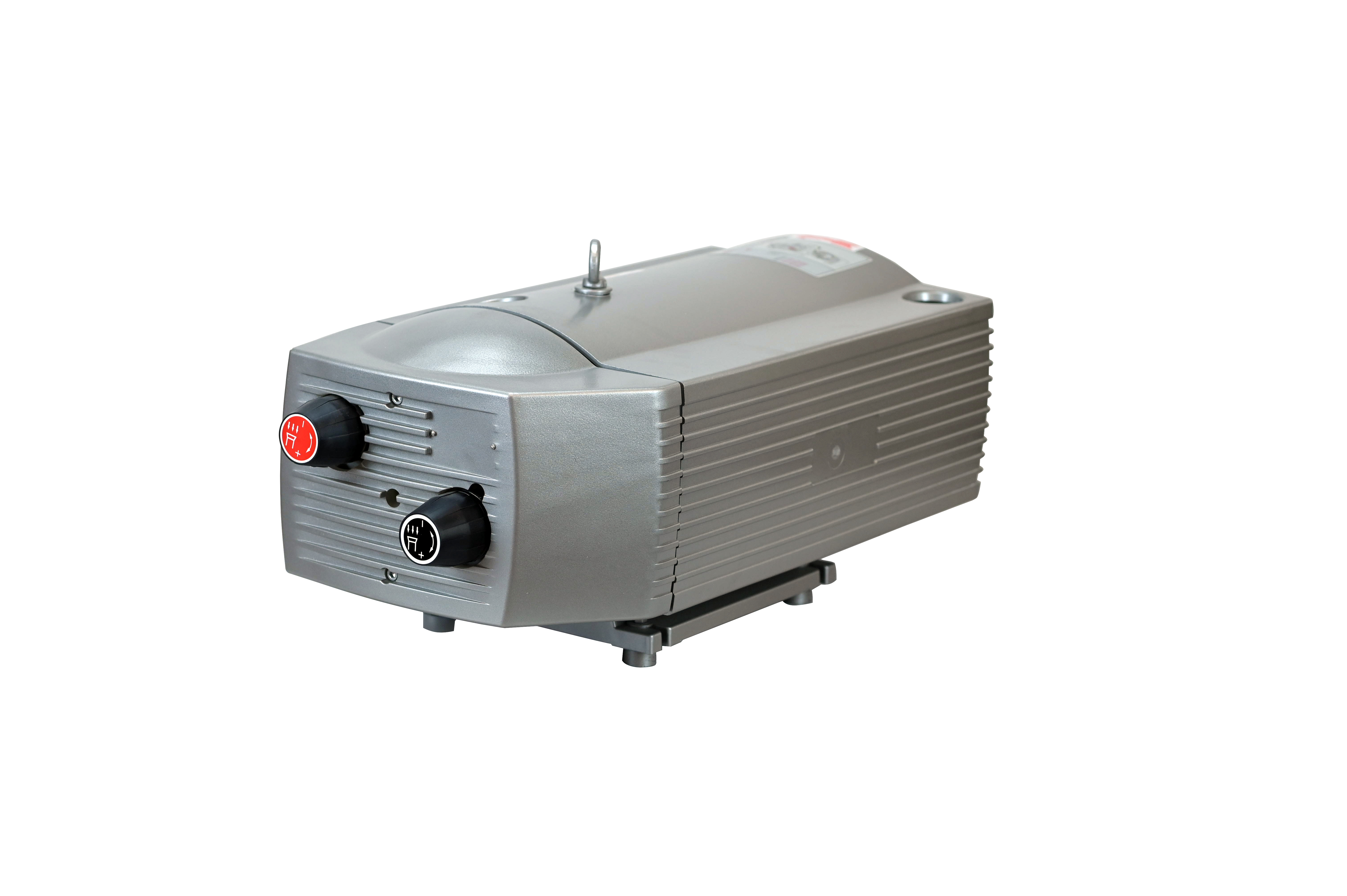
Vacuum Pump Maintenance: How Neglect Shortens Lifespan and Drives Up Costs
Walk into any manufacturing plant, and you will find vacuum pumps running quietly in the background. They are easy to ignore—until they stop working.
The reality is that most vacuum pump failures are preventable. Yet in busy production environments, maintenance is often deferred. "We will do it next month" becomes "we will do it next quarter," and before anyone notices, the pump fails.
Here is what facility managers, maintenance engineers, and plant operators need to know about vacuum pump maintenance—and the real cost of neglect.
The Hidden Cost of Skipping Oil Changes
Vacuum pump oil performs three critical functions: lubrication, sealing, and heat transfer. When oil changes are skipped, contaminants such as moisture, particulates, and process vapors accumulate, breaking down viscosity and film strength.
What happens next:
-
Metal-to-metal contact between rotors, vanes, and housing accelerates wear on internal surfaces
-
Overheating becomes more frequent as the oil loses its ability to dissipate heat
-
The oil oxidizes further, forming sludge that clogs passages
-
Scoring on cylinder walls and bearing damage create a compounding cycle of declining performance
The numbers: Field service data shows pumps operating without scheduled oil changes experience a mean time between failures (MTBF) reduction of up to 40% compared to those adhering to manufacturer-recommended intervals. A pump expected to run reliably for 20,000 hours may fail before reaching 12,000 hours—a direct hit to production reliability and a predictable source of emergency repair costs.
From the field: In a chemical processing plant I visited, the maintenance team had been extending oil change intervals to "save money." Over two years, they went through three vacuum pumps—each failing around 10,000 hours instead of the rated 20,000. The replacement cost alone exceeded $45,000, not including downtime and lost production. The oil they "saved" cost less than $2,000.
Real-World Data: MTBF Across Maintenance Regimens
The impact of maintenance discipline becomes unmistakable when comparing actual operating data. The 2023 VDMA pump reliability study analyzed over 1,200 vacuum pump installations across general manufacturing and chemical processing plants, categorizing maintenance practices into three tiers.
| Maintenance Regimen | Average MTBF (hours) | Typical Service Actions |
|---|---|---|
| Proactive (predictive + preventive) | 18,200 | Oil analysis, vibration monitoring, scheduled part replacement |
| Preventive only (time-based) | 11,500 | Regular oil and filter changes, seal inspections |
| Reactive (run-to-failure) | 5,800 | Repairs after failure, no routine service |
What this means:
-
Facilities adopting proactive strategies more than triple the MTBF seen in reactive environments
-
Even moving from reactive to simple time-based preventive maintenance—regular oil changes and filter checks—doubles average running time between failures
These figures confirm that maintenance neglect, particularly in oil management and routine inspections, is the single largest controllable factor governing vacuum pump service life.
Four Critical Maintenance Actions That Prevent Failure
1. Oil Selection, Monitoring, and Replacement
Given that neglected oil changes can slash MTBF by up to 40%, choosing the right vacuum pump oil is a frontline defense. Match the oil type—mineral, synthetic, or PFPE—to the process's temperature range, chemical exposure, and particulate load. High-duty-cycle pumps in dusty or reactive environments demand more frequent monitoring.
Best practices:
-
Check oil color and clarity weekly; darkening or milkiness signals contaminants or moisture ingress
-
Use oil analysis to track acid number and viscosity shift, triggering replacement before wear particles circulate
-
Establish change intervals based on operating hours and contamination risk—not just calendar time
2. Filters, Seals, and Thermal Management
Filters, seals, and cooling systems form a triplet of safeguards that catch small issues before they cascade. Inlet and exhaust filters trap abrasive particles and process debris; replace or clean them when differential pressure exceeds manufacturer limits.
What to watch:
-
Even a hairline seal crack admits air, causing micro-leakage that robs ultimate pressure and pulls in moisture
-
Inspect door gaskets, shaft seals, and O-rings each service cycle, replacing any that appear stiff or compressed
-
Clean air-cooled fins and verify coolant flow in water-cooled units to prevent overheating
Facilities that consistently inspect filters and seals report up to a 30% drop in unexpected vacuum pump failures.
3. Recognizing Early Warning Signs
Vacuum pumps rarely fail without warning. Subtle deviations in sound, temperature, or performance often appear days or weeks before a breakdown.
Warning signs to act on:
-
High-pitched whine or irregular knocking → bearing wear or vane damage
-
Gradual loss of ultimate vacuum, longer pump-down times → internal leakage or seal decay
-
Visible oil discoloration → contamination or degradation
-
Rising motor current or unexpected thermal trips → increased mechanical resistance
4. Condition-Based Monitoring
Oil analysis detects early-stage wear metals and contamination. Infrared thermography spots hot spots at seals or bearings. Vibration monitoring identifies imbalance or misalignment well before catastrophic failure. A disciplined condition-based approach—acting on these signals—reduces unplanned downtime and repairs.
Shifting from reactive fixes to a proactive, data-driven response extends vacuum pump service life, avoids production halts, and preserves ROI. Early intervention transforms minor anomalies from noise into actionable intelligence that protects long-term asset reliability.
The ROI of Consistent Maintenance: 42% Fewer Breakdowns, 31% Lower TCO
Investing in a structured vacuum pump maintenance program yields measurable financial benefits. According to VDMA 2023 data:
| Metric | Improvement |
|---|---|
| Unexpected failures | 42% fewer with preventive schedules |
| 5-year total cost of ownership | 31% lower |
| Energy consumption | Up to 15% lower with well-maintained pumps |
| ROI on predictive maintenance | 3:1 to 5:1 within first few years |
How the savings add up:
-
A single hour of downtime in a medium-scale manufacturing environment can cost $10,000 or more (industry estimate)
-
Routine oil changes, filter replacements, and seal inspections are marginal by comparison
-
Extended asset lifespan—vacuum pumps in proactive programs regularly exceed expected MTBF by 20–30% , delaying capital expenditures
From the field: A food packaging plant switched from reactive to preventive maintenance after a single vacuum pump failure shut down three production lines for four hours. The lost production exceeded $40,000. The new maintenance program—oil changes every 2,000 hours, filter replacements, and quarterly vibration analysis—costs less than $3,000 per year per pump. In the two years since, they have had zero unplanned pump failures.
When maintenance is treated as an investment rather than a cost, the numbers speak for themselves: lower repair bills, fewer production halts, and a demonstrably healthier bottom line.
Lessons from the Field
In one manufacturing facility we reviewed, the maintenance team had been running pumps until failure for years. The logic was simple: "Why fix what is not broken?"
The result: The plant went through an average of four vacuum pump replacements per year. Each replacement cost $12,000 in parts and labor—plus an average of six hours of downtime at $8,000 per hour. Annual cost: over $96,000.
The diagnosis: The run-to-failure approach was treating symptoms, not causes. Most failures were traced to contaminated oil and worn seals—problems that could have been caught early with routine inspections.
The solution: The plant implemented a preventive maintenance program: monthly oil checks, quarterly oil analysis, bi-annual seal replacements, and vibration monitoring on critical pumps.
The result: In the first year, pump replacements dropped from four to one. Annual maintenance cost fell from $96,000 to under $25,000. The plant saved over $70,000 in the first year alone.
Another example: a semiconductor fab was experiencing sporadic particle contamination issues traced back to degrading vacuum pump oil. After implementing weekly oil analysis and changing oil at the first sign of degradation, particle counts dropped by 60%, and yield improved by 2.5%. Annual revenue gain: over $1.5 million.
These are not exceptional cases. They are the predictable outcome of treating maintenance as a strategic function—not an afterthought.
FAQ
Why is vacuum pump maintenance essential?
Regular maintenance prevents premature failure, extends the pump's lifespan, and lowers total ownership costs. A pump with proper maintenance can last 2–3 times longer than one that is neglected.
How does skipping oil changes affect vacuum pump performance?
Skipping oil changes leads to overheating, internal wear, and reduced mean time between failures (MTBF) by up to 40%. The oil loses its ability to lubricate, seal, and dissipate heat—accelerating component wear.
What are early warning signs of vacuum pump issues?
Signs include unusual sounds (whining, knocking), reduced vacuum performance (longer pump-down times), oil discoloration, and increased thermal trips or motor current.
What is the difference between proactive and reactive maintenance?
Proactive maintenance involves scheduled monitoring and care to prevent failure—oil analysis, vibration checks, and planned replacements. Reactive maintenance addresses issues only after failure occurs, which is typically more expensive and disruptive.
How much can a good maintenance program save?
VDMA data shows preventive maintenance reduces unexpected failures by 42% and lowers 5-year total cost of ownership by 31%. ROI on predictive maintenance programs typically ranges from 3:1 to 5:1.