 EN
EN


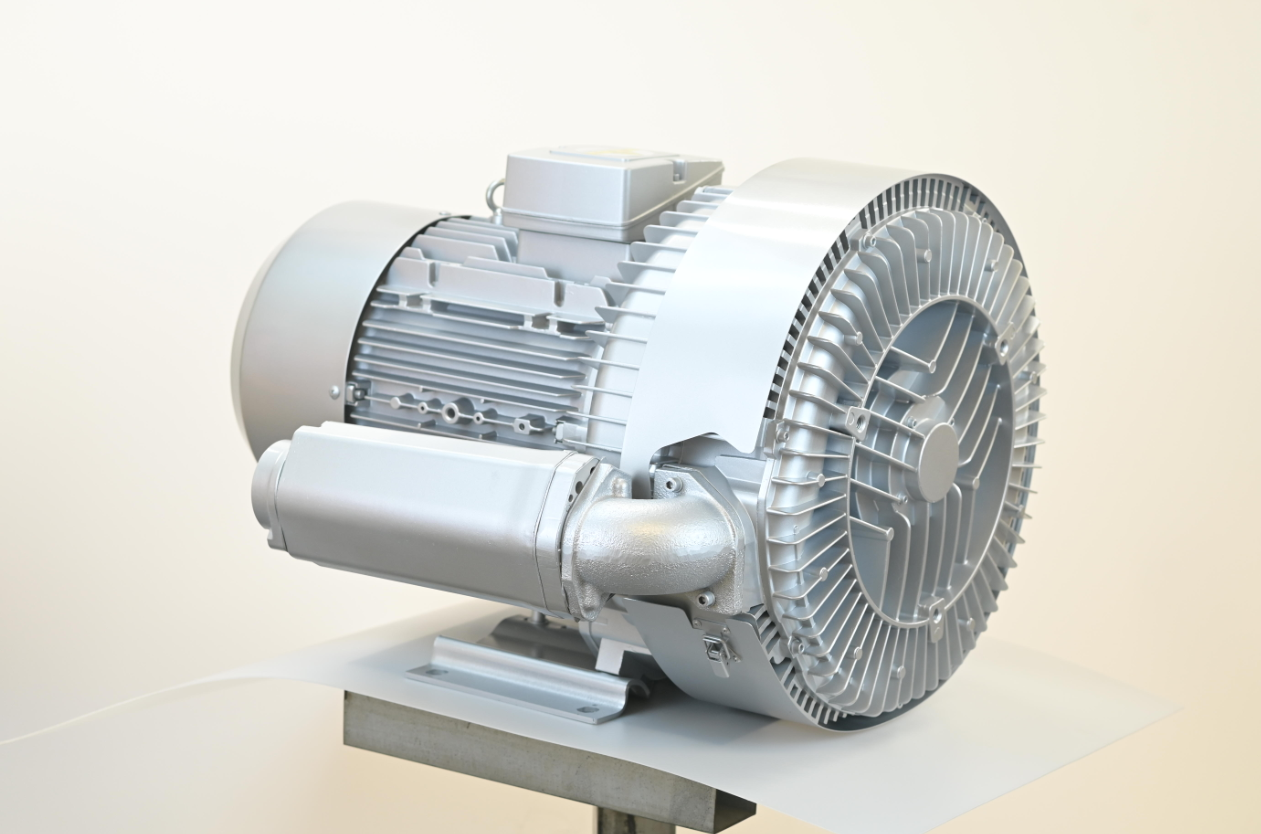
Conventional vacuum pumps run at fixed speed and control pressure through mechanical throttling. This creates huge idle energy loss when production loads fluctuate.
Variable Frequency Drives change this working mode fundamentally. Instead of limiting airflow, the system adjusts motor rotation speed according to real-time vacuum demand.
For packaging, CNC machining and printing workshops, VFD equipment keeps vacuum pressure stable while cutting base power consumption by 30% to 50%.
Data from compressed air optimization projects shows that retrofitting old fixed-speed pumps usually recoup investment within 24 months. Other perks include soft start protection to prolong motor life and automatic shutdown during idle periods.
Dry Oil-Free Vacuum Pumps: Remove Liquid Sealing and Auxiliary Power Waste
Liquid ring and oil-sealed vacuum pumps need continuous coolant circulation and regular oil replacement. These auxiliary systems waste up to 25% extra energy.
Dry vacuum pumps need no sealing liquid at all. There is no fluid circulation, temperature control or waste liquid disposal work. Independent tests on semiconductor production lines show dry pumps reduce auxiliary energy use by 40% compared with liquid ring models.
Without liquid contamination, the equipment avoids clogging and corrosion failures. Maintenance downtime drops sharply, making dry pumps ideal for ultra-clean and chemically corrosive production environments.
PMSM Permanent Magnet Synchronous Motors: Surpass IE4 Super High Efficiency
Traditional induction motors only reach 88~91% full load efficiency.
Permanent Magnet Synchronous Motors achieve 94~96% efficiency, fully meeting IE4 international efficiency standards. Rotor loss is minimized, and torque output becomes more stable.
When paired with VFD frequency converters, the whole system gains an extra 10% energy saving. Brushless structure resists insulation aging and bearing damage, so PMSM motors run reliably in damp, dusty and corrosive workshops for chemical processing and plastic molding.
System Optimization: Centralized and Decentralized Layout + Accurate Capacity Matching
Centralized VS Decentralized Vacuum Pipeline Layout
Centralized systems use one large pump to supply multiple production stations. It works well for stable high-volume production.
But once the pipe length exceeds 100 meters, pressure loss and heat waste will lower overall efficiency by 15~20%.
Decentralized layout installs small pumps right beside each workstation. Long-distance pipe loss is eliminated. Equipment can be turned on and off by shift, and capacity expansion becomes modular. A textile factory reduced total power consumption by 32% after switching to IoT-controlled decentralized vacuum units.
Avoid Oversizing: Match Pump Capacity With Actual Production Load
Oversized vacuum pumps are the biggest cause of unnecessary energy waste.
Real-time PLC monitoring proves that 40% to 60% of installed pumps are far larger than actual demand. Long-term low-load operation wastes electricity and speeds up component wear.
SCADA system together with VFD can adjust flow automatically according to on-site load. Factories that adopt data-based capacity planning normally earn back renovation costs in 18~24 months. Proper load operation also extends maintenance cycles.
Smart Operation: AI Leak Detection and Predictive Maintenance
According to research from the U.S. Department of Energy, tiny hidden pipe leaks cost factories more than 40 thousand US dollars in energy loss every year. Manual inspection cannot catch these micro-faults early.
IoT sensors collect real-time data of pressure, temperature and flow across the whole vacuum network. Machine learning algorithms filter out workshop noise and accurately find leak points weeks ahead of breakdowns.
Maintenance shifts from fixed calendar checks to condition-based automatic alerts. This technology reduces unplanned downtime by 45% and cuts total vacuum system energy use by 15~22%, without affecting production stability.
Step-by-Step Renovation Plan: Energy Audit, Phased Upgrade and ROI Control
- Carry out a full energy audit, record baseline power consumption, test pipeline leakage and check whether pump model matches production load.
- Calculate the return on investment for VFD retrofits, dry pump replacement and PMSM motor upgrade, including electricity savings and reduced maintenance cost. Most industrial projects achieve payback within 12 to 24 months.
- Launch pilot renovation on one production line first, verify energy-saving data, then expand the upgrade to the whole factory. Train operators and keep long-term data monitoring to lock in energy-saving effects.
FAQ
What benefits do VFD drives bring to vacuum pumps?
VFD adjusts motor speed to fit real-time load, cutting power consumption by 30~50%. It stabilizes vacuum pressure, reduces throttling loss, extends motor life and supports automatic idle shutdown.
What makes dry vacuum pumps different?
Dry pumps need no sealing oil or liquid circulation. Auxiliary energy waste and fluid maintenance work are eliminated. They resist clogging and corrosion, suitable for clean and chemical production.
What advantages does a PMSM motor have?
PMSM exceeds IE4 efficiency with 94~96% full-load performance. Brushless structure stands up to corrosive and humid environments. Combined with VFD, the system gets an extra 10% energy saving.
Which layout is better: centralized or decentralized?
Centralized layout fits stable high-volume production but suffers heavy pipe loss over long distances. Decentralized pumps are installed near workstations to reduce waste and support modular expansion.
Why should we avoid oversized vacuum pumps?
Oversized pumps run under low load and waste massive electricity. Reasonable capacity matching reduces energy cost and slows down mechanical wear, shortening the payback period of equipment investment.
How does AI improve vacuum system maintenance?
AI analyzes sensor data to find hidden pipe leaks early. Predictive monitoring cuts unexpected downtime by 45% and lowers overall energy consumption effectively.
Table of Contents
- Dry Oil-Free Vacuum Pumps: Remove Liquid Sealing and Auxiliary Power Waste
- PMSM Permanent Magnet Synchronous Motors: Surpass IE4 Super High Efficiency
- System Optimization: Centralized and Decentralized Layout + Accurate Capacity Matching
- Smart Operation: AI Leak Detection and Predictive Maintenance
- Step-by-Step Renovation Plan: Energy Audit, Phased Upgrade and ROI Control
- FAQ