 EN
EN


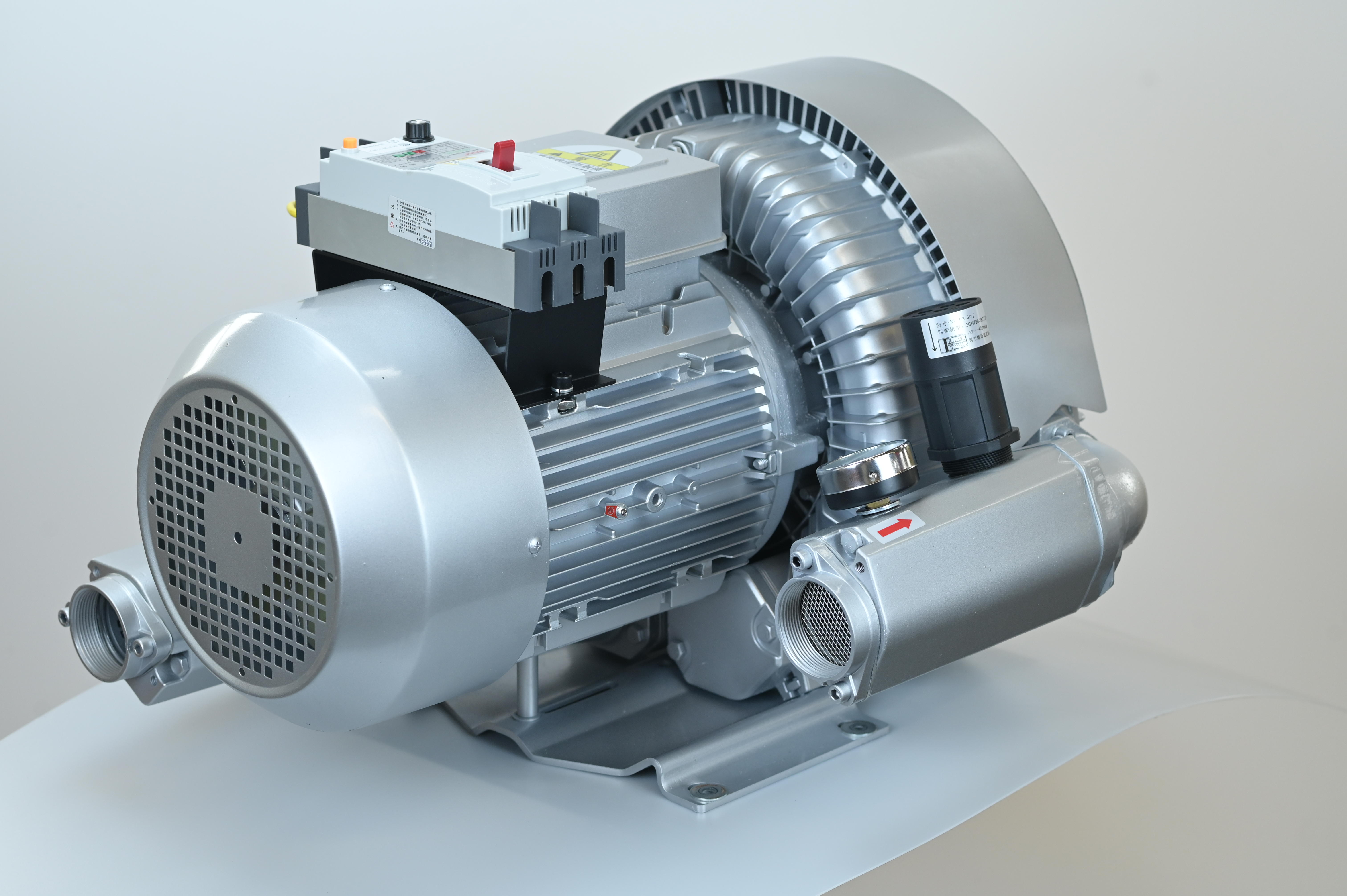
In modern textile manufacturing, industrial air blowers are far more than peripheral equipment; they are the critical backbone of production lines, directly influencing quality control and operational energy efficiency. From raw fiber processing to the final finishing of fabrics, airflow is an omnipresent utility. However, the textile environment is notoriously punishing—characterized by high humidity, elevated temperatures, and persistent airborne fibrous dust. Incorrect selection not only results in significant energy waste but also creates production bottlenecks and unplanned downtime. This guide explores the technical interplay between pressure demands, environmental challenges, and blower technology.
I. Layered Static Pressure Demands in Textile Processes
The selection of an industrial air blower must be rooted in the specific static pressure requirements of the process. Static pressure represents the blower’s capacity to overcome system resistance, which includes pipe friction, filter impedance, and duct geometry losses.
1. Low-Pressure Band (50–500 mmWC): Material Handling and Basic Cleaning
In early-stage textile operations like opening, cleaning, or carding, the primary objective is smooth, consistent material transport. In this range, airflow volume (CFM) is prioritized over force. For instance, lint removal systems require gentle, steady airflow to sweep away loose fibers without disrupting the fiber web. Forward-curved centrifugal blowers are typically preferred here; they offer a robust, cost-effective design that provides stable flow for drying and transport tasks. However, it is imperative to note that maintenance of the intake filtration system is the primary variable; unmanaged lint accumulation on screens creates resistance that triggers pressure instability, leading to uneven material distribution.
2. Medium-Pressure Band (500–2,000 mmWC): Core Finishing and Heat Setting
This range encompasses the most complex operations in the textile mill, including jet dyeing, stenter frame exhaustion, and heat setting. In these applications, airflow precision directly dictates final product quality. For example, in heat setting, hot air must penetrate the fabric fibers uniformly. Insufficient pressure results in uneven dye penetration or incomplete thermal setting, while excessive force can damage delicate weaves. Blowers in this category require corrosion-resistant impellers to withstand chemical vapors and high-humidity environments, and sealed bearings to maintain longevity in high-heat conditions.
3. High-Pressure Band (2,000–3,000 mmWC): Precision Control and Pneumatic Transport
High-pressure applications are reserved for focused, high-force tasks, such as compact air nozzles for edge trimming or precision fabric positioning. These processes require tightly directed kinetic energy. Here, multi-stage centrifugal blowers or positive displacement blowers become the necessary choice. Such applications are highly sensitive to ductwork integrity; even minor restrictions, bends, or pipe diameter transitions induce disproportionate pressure drops, necessitating precise duct sizing and high-rigidity design.
II. The "Textile Factor": Environmental Constraints on Blower Selection
Textile production environments are aggressively destructive. If a blower is selected without accounting for these specific environmental stressors, its design lifespan will be significantly compromised.
1. The Impact of Lint Load
Air in textile mills is inevitably saturated with micro-fibers. Even with advanced multi-stage filtration, a small fraction of these fibers will adhere to impeller surfaces and internal duct walls. Industry benchmarks indicate that as little as 0.1 mm of fibrous residue on blower blades is sufficient to disrupt aerodynamic profiles, causing a 5% to 10% loss in static pressure and inducing vibrations that strain bearings. Consequently, selection should prioritize designs with "self-cleaning" tendencies or structures that facilitate rapid maintenance access.
2. The Physics of Heat and Humidity
Textile processing (such as a 150°C stenter) significantly lowers air density. Blowers designed for standard ambient conditions will exhibit performance curve drift when operating in these high-heat scenarios. Engineers must utilize pressure conversion formulas to correct the rated operating point based on actual process air temperature. Furthermore, high-humidity environments mandate not only high IP-rated motors but also considerations for condensate drainage. If water vapor mixes with fibrous dust within the blower housing, it forms a hardened "sludge" that severely impacts impeller balance.
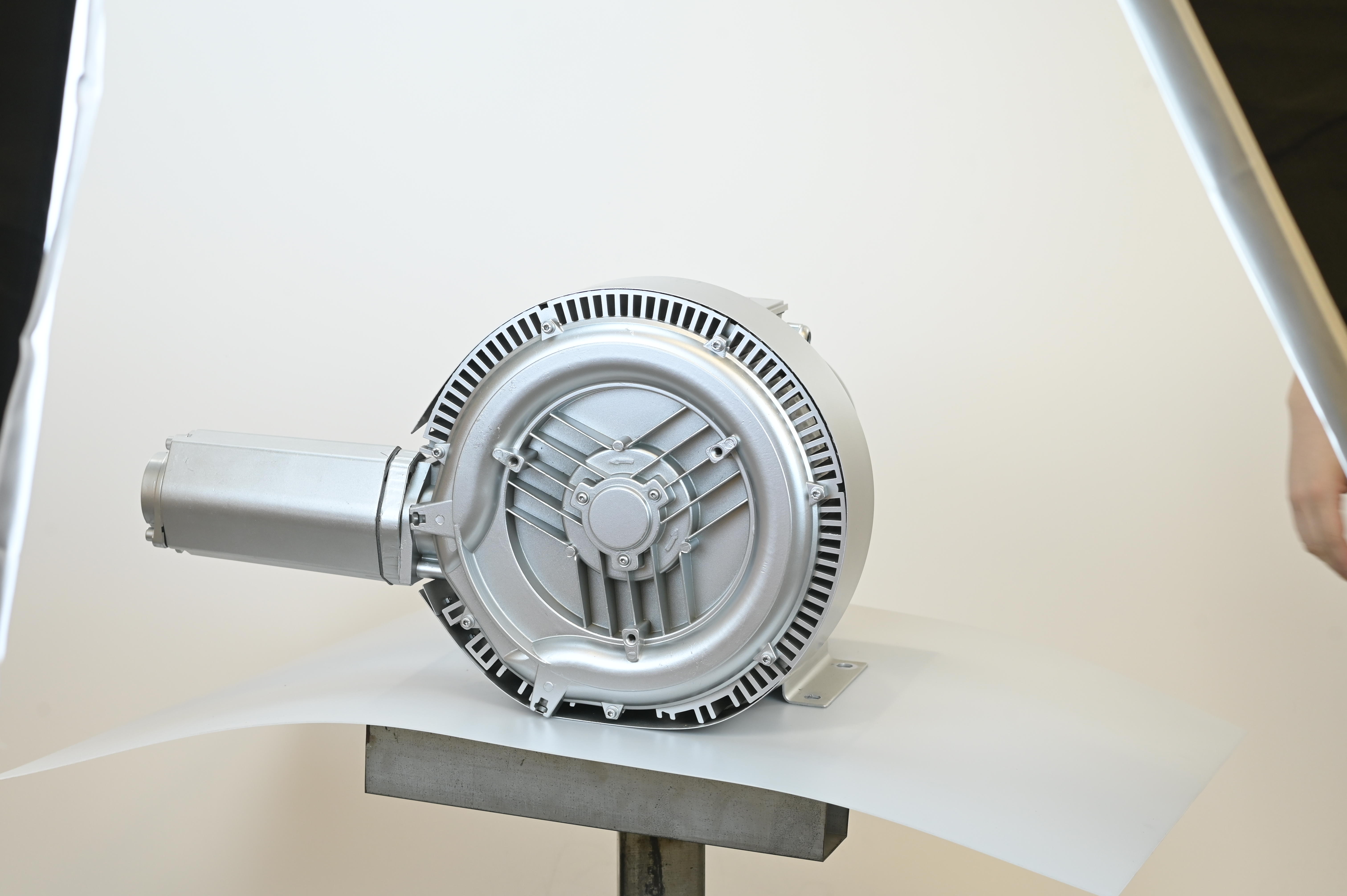
III. Technology Pathways: Centrifugal vs. Positive Displacement
| Blower Type | Typical Pressure Range | Advantages | Best Suited For |
| Forward-Curved | 50–500 mmWC | Low cost, high volume | Drying, lint removal |
| Backward-Inclined | 500–1,500 mmWC | High efficiency, dust-tolerant | Dyeing, stenter exhaust |
| Radial Centrifugal | 1,000–2,000 mmWC | Rugged, low noise | Heat setting, oven exhaust |
| Multi-Stage | 1,500–3,000 mmWC | High pressure, smooth flow | Precision nozzles |
| Positive Displacement | 2,000–3,500 mmWC | Constant pressure, oil-free | Pneumatic fabric transport |
IV. The Path to Smart Manufacturing: Energy Management and Predictive Maintenance
In the era of Industry 4.0, blower selection has evolved from a simple procurement task into a comprehensive energy management project.
1. The Necessity of Variable Frequency Drives (VFDs)
Textile lines rarely operate at 100% capacity 100% of the time. Systems equipped with VFDs allow for dynamic modulation of airflow and pressure based on real-time process demands. By reducing motor RPM during low-load periods, facilities can achieve cubic energy savings—halving the speed can often reduce power consumption to one-eighth of the original baseline.
2. The Strategic Value of Predictive Maintenance
Traditional maintenance relies on "run-to-fail" strategies. In textile manufacturing, a blower failure often halts the entire production line, with costs far exceeding the price of the blower itself. Modern selections should include pre-integration for IoT interfaces:
-
Real-Time Vibration Monitoring: Detecting bearing degradation and dynamic imbalance.
-
Thermal Imaging: Monitoring temperature trends in cooling fins and bearing housings to identify impending friction issues.
-
Differential Pressure Sensors: Identifying filter clogging in real-time, allowing for condition-based replacement rather than schedule-based waste.
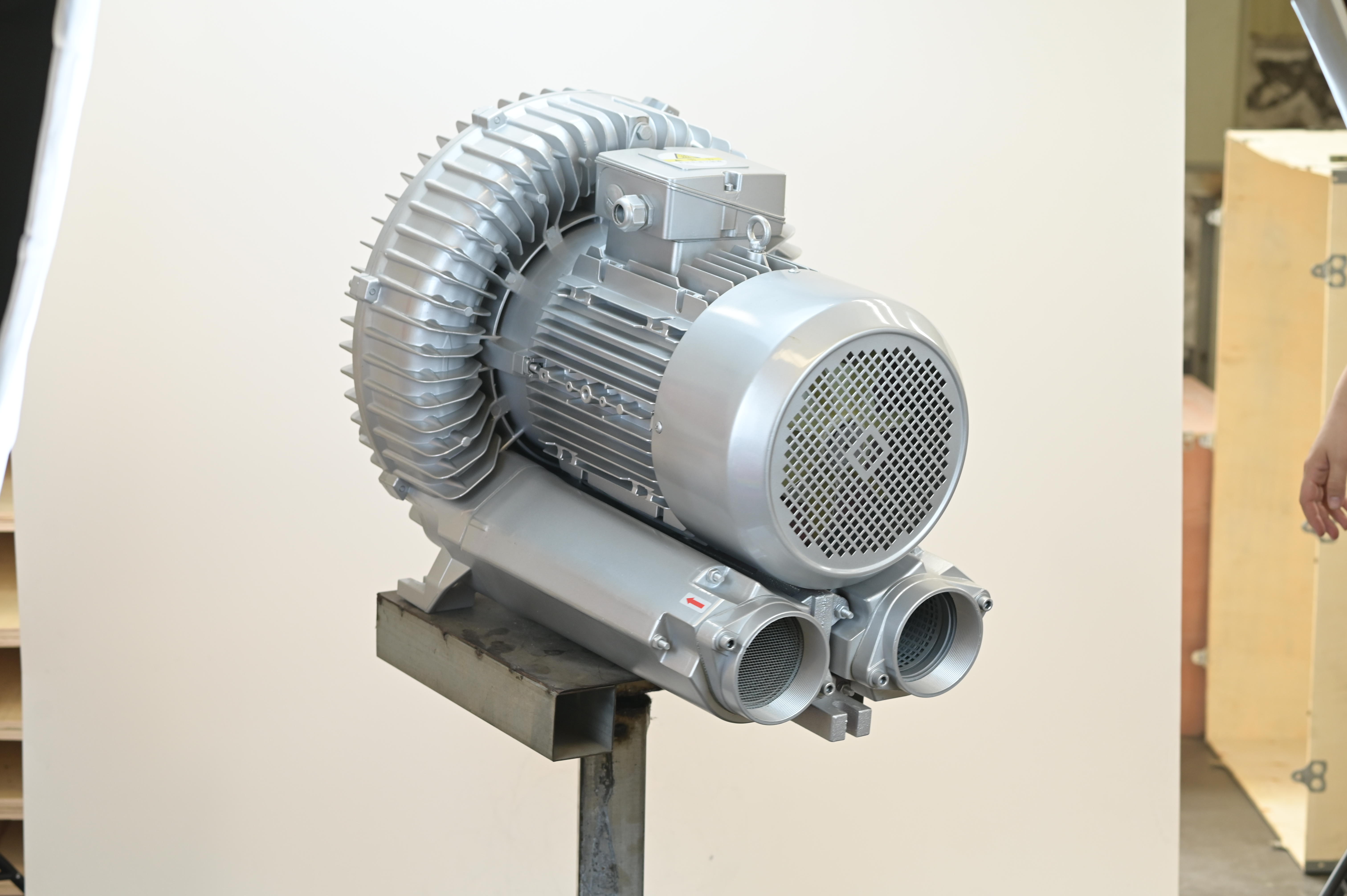
V. Conclusion and Forward-Looking Strategy
In the final phase of selection, always request a corrected performance curve from your supplier that accounts for your specific process temperatures and local altitude. Many engineers inadvertently rely on standard data sheets, ignoring the significant de-rating that occurs in industrial environments.
Selecting an industrial air blower is essentially an investment in production insurance. A correctly specified system does more than save on electricity over its 5-to-7-year service life; it manifests in consistent fabric quality (such as uniform dyeing effects). For textile enterprises aiming for smart manufacturing, prioritizing modular, easy-to-maintain, and IoT-ready centrifugal blower systems is a strategic decision that enhances long-term core competitiveness.
FAQ (Expanded)
-
Q: How do I balance airflow volume versus static pressure?
-
A: During system design, prioritize the most critical pressure requirement (e.g., the force needed at the nozzle). Ensure the blower can meet this pressure at the required flow rate. Avoid the common mistake of over-sizing for volume while ignoring pressure losses, as this leads to "stalled" processes where the air lacks the force to complete its task.
-
-
Q: Why is regular VFD calibration essential?
-
A: Textile process parameters (such as material thickness or humidity) fluctuate frequently. Regularly optimizing the PID parameters of the VFD ensures that the motor remains within the most efficient band of its performance curve, preventing energy drift and mechanical fatigue.
-
-
Q: How can I identify if my blower is "surging" due to high resistance?
-
A: Surging often manifests as rhythmic "thumping" or audible pulsing from the blower, combined with unstable current readings on the VFD. If this occurs, verify if the ductwork has accumulated debris or if the filter pressure drop exceeds the design limits.
-
Table of Contents
- I. Layered Static Pressure Demands in Textile Processes
- II. The "Textile Factor": Environmental Constraints on Blower Selection
- III. Technology Pathways: Centrifugal vs. Positive Displacement
- IV. The Path to Smart Manufacturing: Energy Management and Predictive Maintenance
- V. Conclusion and Forward-Looking Strategy