 EN
EN


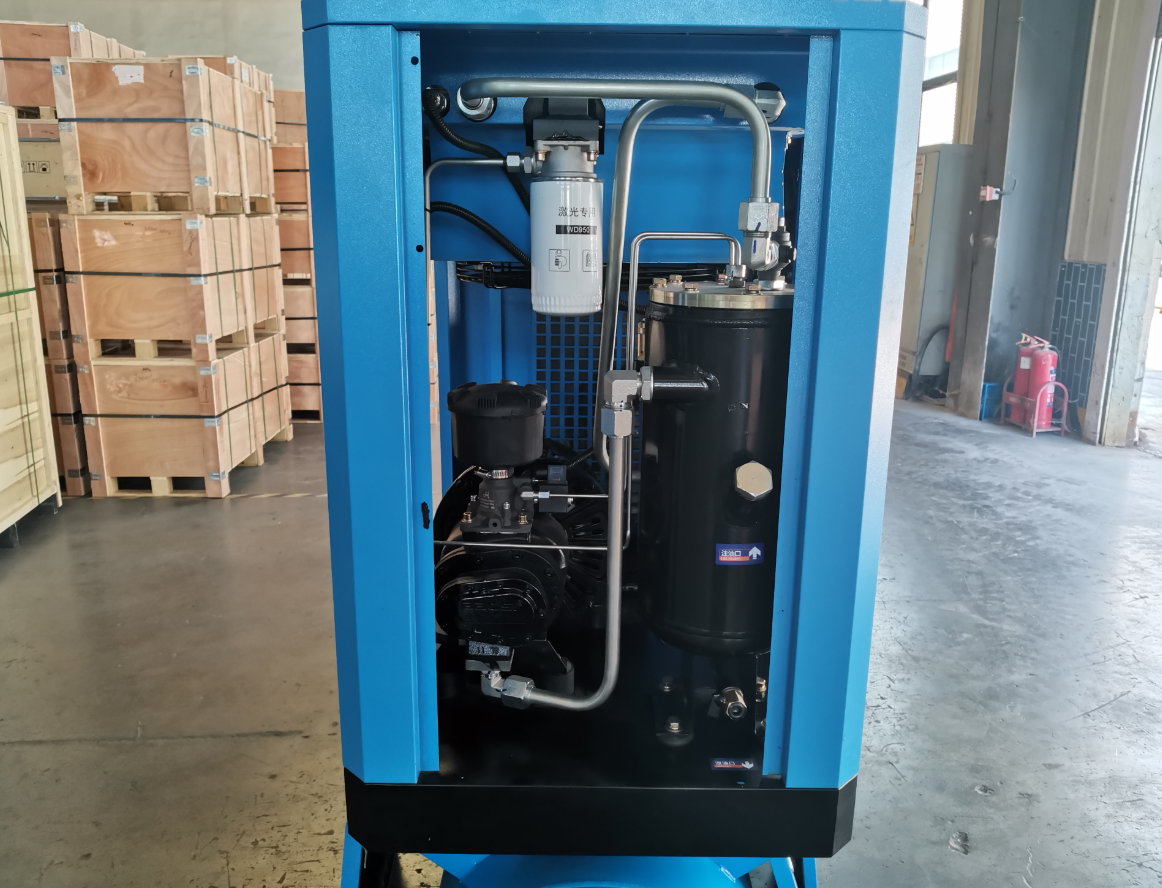
Lubrication Breakdown: Oil Oxidation and Viscosity Loss
Oxidation is the primary driver of lubricant breakdown, especially under sustained thermal stress. Within 1,500 operating hours, oxidation can thin oil viscosity by 40–60%, compromising its protective film. Every 10% drop in viscosity correlates with a 30–50% increase in rotor wear.
-
Proactive Solution: Scheduled oil analysis is the most reliable early-warning tool. Detecting particulates and additive depletion allows facilities to reduce unexpected failures by 61%.
The Cost of Maintenance Neglect
Ignoring service intervals accelerates damage exponentially.
| Maintenance Status | Failure Progression | Repair Cost |
| 300 hrs Overdue | Varnish & Bearing clearance loss | ~30% of equipment value |
| Filter Clogged (>15 psi) | Pressure starvation & Rotor scuffing | Full airend replacement |
| Combined Neglect | Simultaneous Thermal/Mechanical failure | 90–110% of new unit cost |
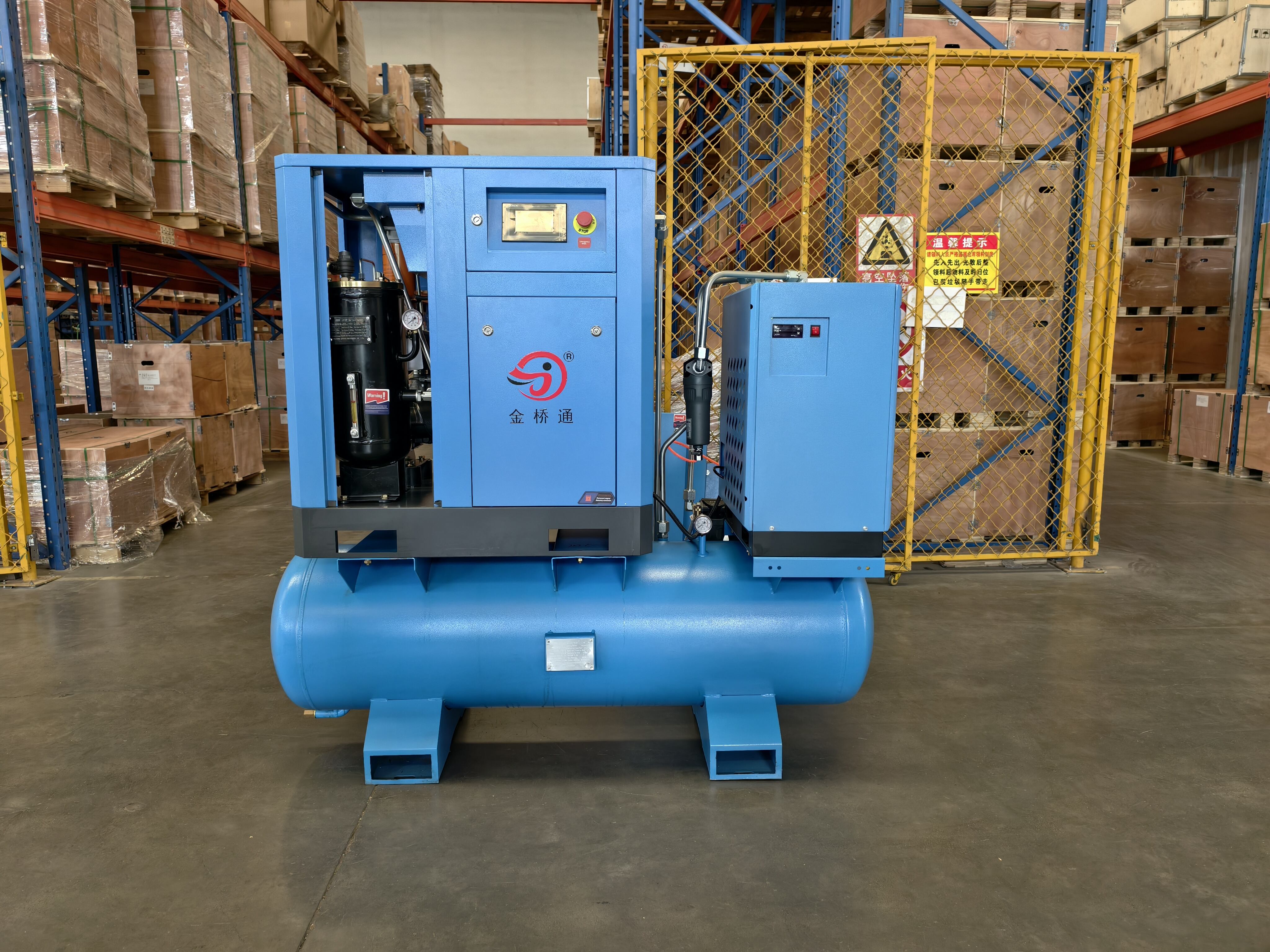
Thermal & System Integrity Losses
-
Cooler Fouling: Even sub-millimeter deposits of dust or oil pigments act as thermal insulators, accelerating bearing fatigue.
-
Leakage: Unaddressed leaks waste 20–30% of total compressed air energy. Fixing these not only cuts utility bills but also eliminates "short cycling," which is a primary cause of motor and contactor burnout.
Early Warning Signs of Failure
Compressor failures are rarely spontaneous. Monitor these three precursors:
-
Acoustic Changes: Grinding or squealing signals bearing wear or misalignment.
-
Pressure Decay: Gradual loss at rated load indicates worn rings or leaky valves.
-
Moisture Overload: Excessive condensation suggests failed aftercooling or lubricant hydrolysis.
Proven Preventive Maintenance Strategies
Reliability stems from disciplined consistency. Top-performing facilities implement:
-
Condition-Based Checks: Perform oil sampling every 500–1,000 hours.
-
Quarterly Vibration Analysis: Detect imbalance or anomalies in drive trains.
-
Routine Audits: Log discharge temperatures and pressure differentials to spot performance drift.
-
Result: Formal preventive maintenance (PM) programs lead to 72% fewer emergency repairs and extend service life by an average of 4.2 years.