 EN
EN


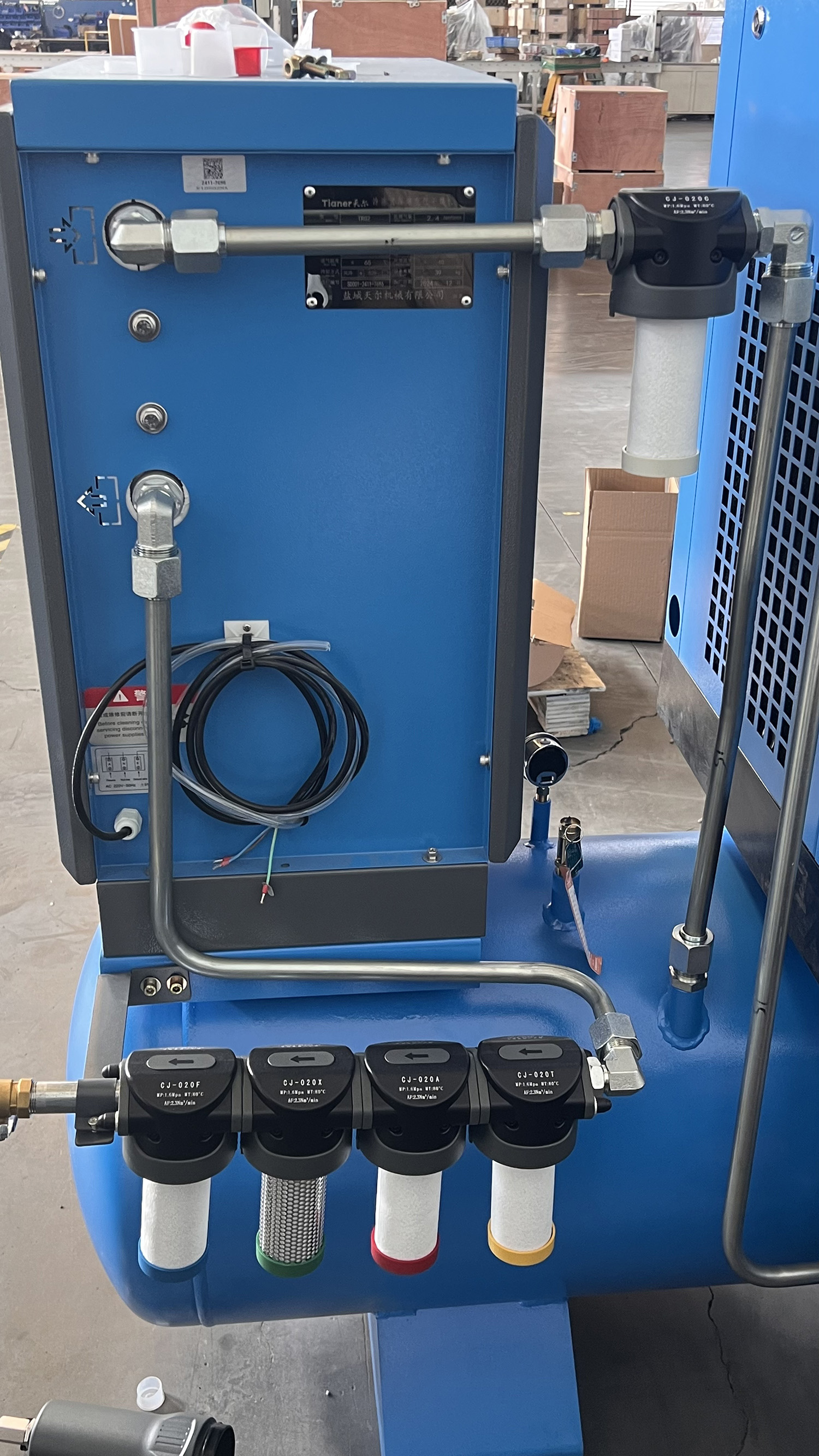
Compressed air is the invisible workhorse in every professional painting and coating operation. Yet the air drawn from the environment is never truly dry—it carries water vapor that becomes a hidden threat once compressed. An air compressor with dryer removes this moisture before it ever reaches the spray gun, turning a common quality risk into a reliable process control. When a compressor draws in ambient air, it also pulls in its water vapor content. Compression raises the air’s pressure and temperature, but as the air cools downstream, the vapor condenses into liquid water. The result: the effective moisture concentration in the compressed air can be up to 40 times higher than in the intake air. The key metric to manage is pressure dew point—the temperature at which water begins to condense under pressure. If the dew point of compressed air exceeds the ambient temperature in your painting environment, condensation will form inside air hoses, regulators, and spray guns. A properly selected dryer maintains a dew point well below the coldest surface the air will encounter, ensuring no liquid water forms during atomization or application.
Understanding moisture induced defects in commercial coatings
Water in compressed air acts as a contaminant that disrupts the coating film in multiple ways. Tiny water droplets carried into the spray mix cause fisheyes—small circular craters where the coating fails to wet the surface properly. If moisture is trapped beneath the film, it can vaporize during curing and create blisters or pinholes. Orange peel—a textured, uneven surface—often stems from inconsistent atomization caused by moisture altering droplet size and spray pattern. Even trace amounts of water can interfere with adhesion by forming a microscopic barrier between the substrate and the coating, leading to premature peeling or chipping. Each of these defects demands rework—sanding, recoating, or scrapping the part entirely. Controlling moisture at the source with a dedicated drying system eliminates these variables and delivers a repeatable, high-quality finish on every part.
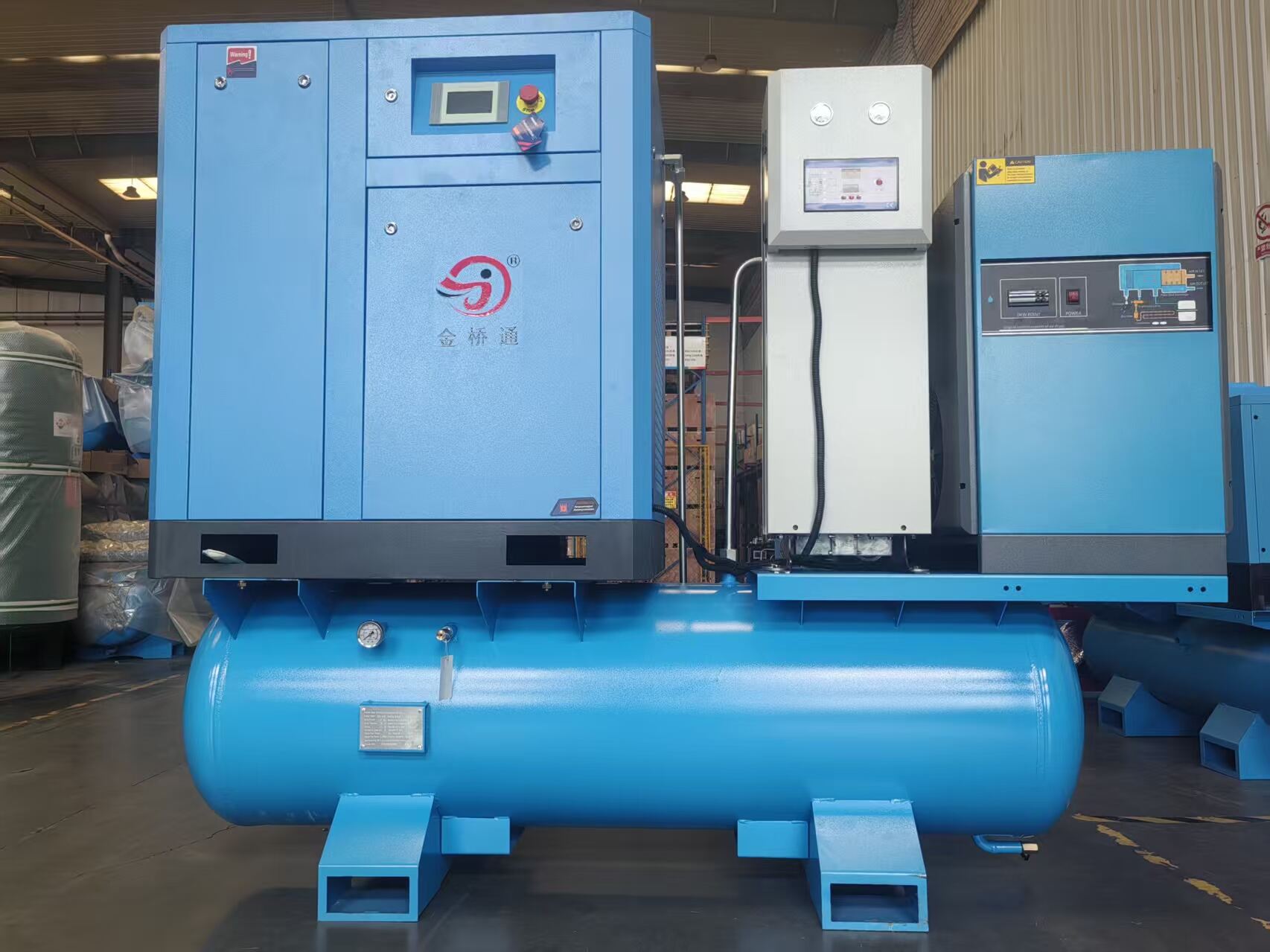
To help facilities select the correct air preparation setup, the essential drying parameters are detailed below:
| Dryer Technology Type | Achievable Pressure Dew Point | Core Operational Mechanism | Recommended Coating Application |
| Refrigerated Dryer | Approx. 3°C (37°F) | Mechanical cooling and separation of condensate | Standard spray booths, manual stations |
| Desiccant Dryer | Down to –40°C (–40°F) | Chemical adsorption using molecular sieves | Robotic cells, critical aerospace primer |
Real world impact and quantified return on investment
Moisture in compressed air is the leading cause of surface defects in painting and coating applications. An air compressor with dryer ensures the delivered air stays at a consistent, low dew point, eliminating the primary source of contamination. Automotive refinish shops that upgrade to a refrigerated dryer routinely report rework reductions of up to 73%, according to industrial data from the National Automotive Refinishing Training Alliance (NARTA). This dramatic improvement stems from the dryer’s ability to cool compressed air and separate liquid condensate before it reaches spray guns. When moisture is present, common defects like blistering, fisheyes, and poor adhesion appear—each requiring full sanding and repainting. For a shop finishing 50 vehicles weekly, a 10% defect rate wastes dozens of labor hours and hundreds of dollars in paint materials. Cutting rework by nearly three-quarters transforms productivity: painters focus on first-time quality rather than corrections, turnaround times shorten, and customer satisfaction rises.
The financial case for integrating high-performance drying hardware is equally compelling. Consistent dry air directly reduces three cost drivers: labor, material waste, and lost throughput. Painters no longer spend hours sanding and recoating moisture-damaged panels, slashing direct labor expenses. Material waste from discarded paint, primers, and solvents can drop by 40% to 50% in high-moisture environments. Throughput gains are measurable—fewer stops for rework allow more vehicles to complete the line each day. For a mid-size body shop, these savings often pay for the dryer investment within 12 months. Additionally, dry air protects pneumatic tools from corrosion and extends their service life, lowering replacement and repair costs. In total, the ROI from reduced rework and improved uptime makes a dryer-equipped compressor a financially sound, long-term asset.
Selecting the right system configurations for commercial spray applications
Choosing between refrigerated and desiccant dryers depends on the dew point required for your painting application. Refrigerated dryers cool compressed air to approximately 3°C (37°F), forcing moisture to condense out—sufficient for most spray booths and manual stations where ambient humidity is moderate. Desiccant dryers use adsorbent media to achieve dew points as low as –40°C, making them ideal for robotic cells or high-moisture environments that demand exceptional dryness, such as aerospace primer applications governed by SAE AMS2700 standards.
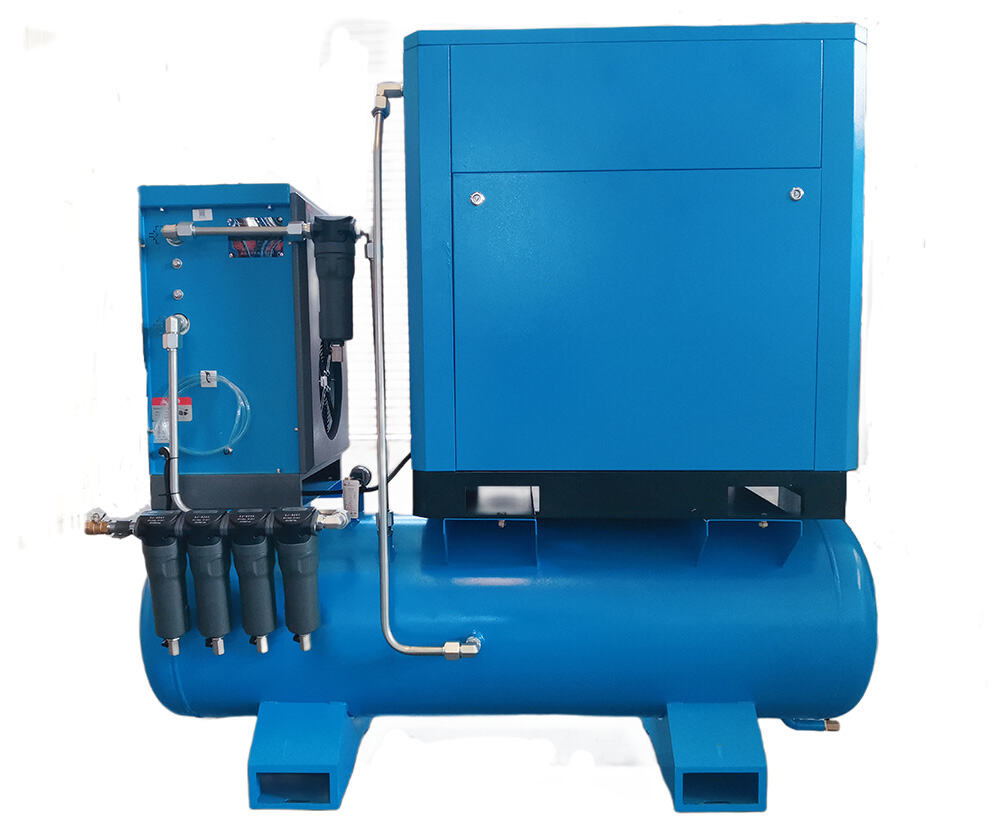
To help plant managers balance these hardware choices against general production equipment parameters, the following trade-off matrix outlines common processing limits:
| Equipment System Type | Speed Capability | Accuracy/Control Level | Maintenance Level | Fluid/Air Suitability Profile |
| Refrigerated Air System | Moderate to High | Standard Level Controls | Low Maintenance | General pneumatic lines, industrial paint |
| Desiccant Air System | High Continuous | High Precision Tracking | Moderate to High | Ultra-dry critical coatings, labs |
| Volumetric Piston Line | Moderate Output | High Volumetric Precision | Moderate Seals | Medium-viscosity industrial fluids, oils |
| Positive Gear Mechanism | High Throughput | Good Flow Regulation | High Component Wear | Wide range of industrial lubricants |
Flow rate is equally critical: dryers are rated at the standard conditions of three 100s (100°F inlet air, 100°F ambient temperature, and 100 psig pressure). Real-world conditions—like higher inlet temperatures from piston compressors without integrated aftercoolers—require oversizing the drying unit by 10% to 20%. Duty cycle also matters significantly. Continuous operation in a high-throughput spray booth calls for a thermal-mass cycling refrigerated dryer, while intermittent manual stations may use a non-cycling unit. Matching these parameters to your specific setup prevents moisture breakthrough and ensures consistent finish quality.
Long term operational benefits and global manufacturing support
Investing in a heavy-duty air preparation setup delivers enduring value beyond immediate paint quality. Dry, contaminant-free air prevents internal corrosion in pneumatic tools, spray valves, and automated actuators. Moisture is a primary driver of premature wear—it washes away critical internal lubricants and promotes rust formation inside air delivery lines. A dedicated drying system eliminates that threat, keeping downstream components operating at peak efficiency for years. The result is a measurable reduction in unplanned downtime. Facilities that run compressed air systems without adequate drying often face recurring failures in spray guns, fluid regulators, and seals—failures that cascade into production halts and emergency repairs.
Consistently delivering these advanced, ultra-reliable pneumatic solutions to global markets requires an industrial partner with cutting-edge production lines and comprehensive quality management systems. This is where specialized engineering pioneer RMG brings immense value to international commercial projects. Operating advanced automated component manufacturing facilities, precise thermal calibration laboratories, and rigorous pressure endurance testing setups, RMG ensures that every integrated air system satisfies strict international safety and efficiency guidelines. By providing versatile OEM customization, tailored flow rate configurations, and dependable cross-border supply chain services, the brand simplifies complex equipment rollouts for industrial facilities, automotive networks, and manufacturing hubs worldwide. Partnering with an experienced manufacturer like RMG guarantees total equipment reliability, absolute regulatory compliance, and seamless commercial success for your entire production lineup.