 EN
EN


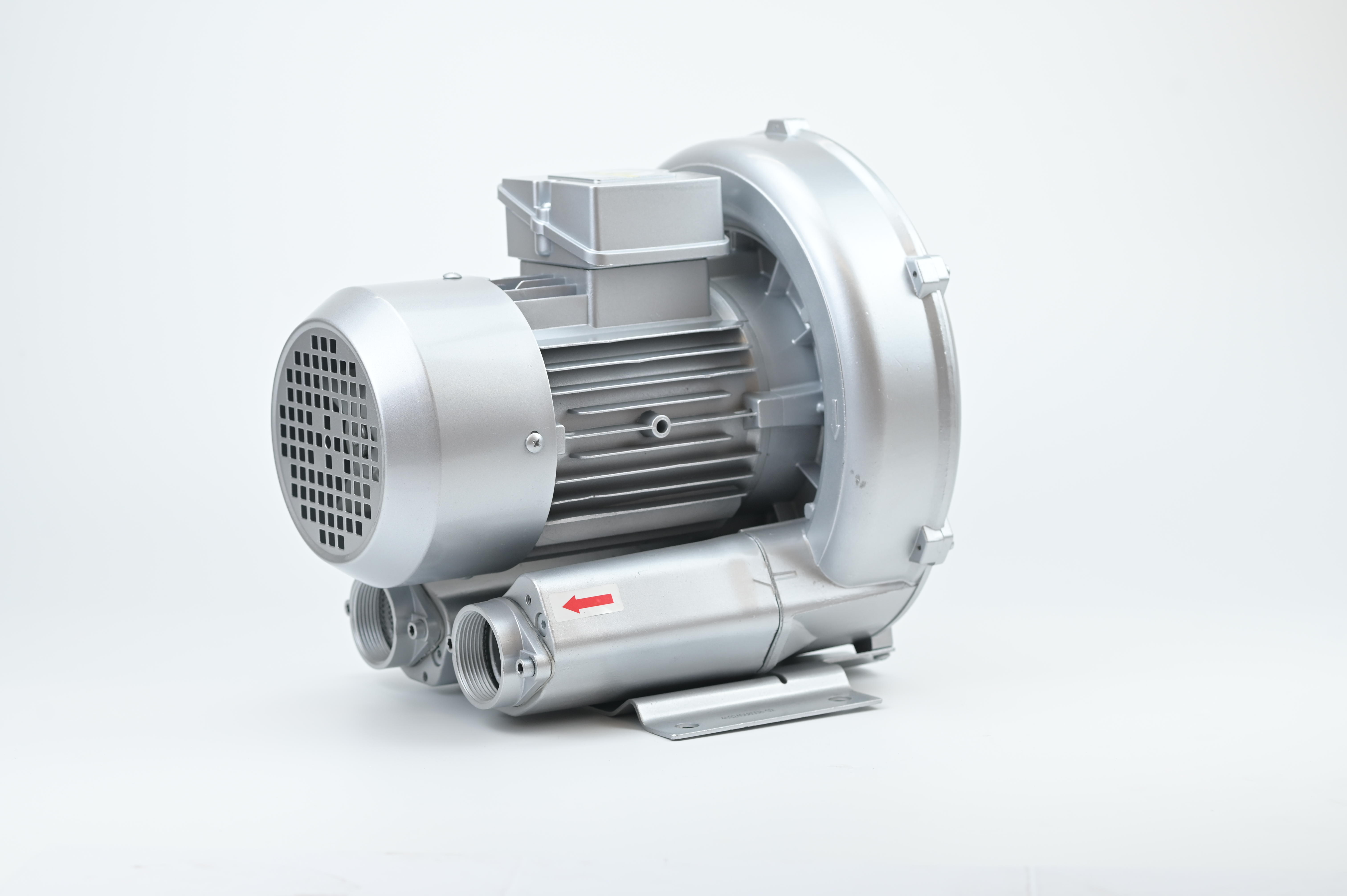
Vacuum blowers create negative pressure environments, allowing controlled movement of bulk solids through enclosed pipeline systems. These systems also keep the environment clean, as no dust escapes. Vacuum blown systems take bulk materials from various points in the system to one central location via differential pressure. These systems in particular are excellent for handling fragile materials, such as powders and granules, and also hazardous materials. In situations where materials need to be moved less than 30 meters, vacuum conveying is more energy efficient than pressure systems. In vacuum conveying systems, less than a 30 meter distance, operational facilities commonly report 25 to 40 percent less energy usage compared to pressure conveying systems. Less moving parts in the system also means less wear and tear on the systems overall.
feature vacuum conveying pressure conveying
Working Principle: Material is transported using a vacuum suction system. Material is transported using a vacuum pushing system.
Distance Efficiency: Best performance is under 30 m Best performance is above 50 m
Material Suitability: Works better with softer materials (powders/granules) Works better with tougher materials (denser and abrasives)
Containment: Encapsulated More leakage is possible
Energy Consumption: Works better in short distances Works better in longer distances
This method satisfies the searchable OSHA containment requirements while preventing degradation of the products for the pharmaceuticals and food processing industries.
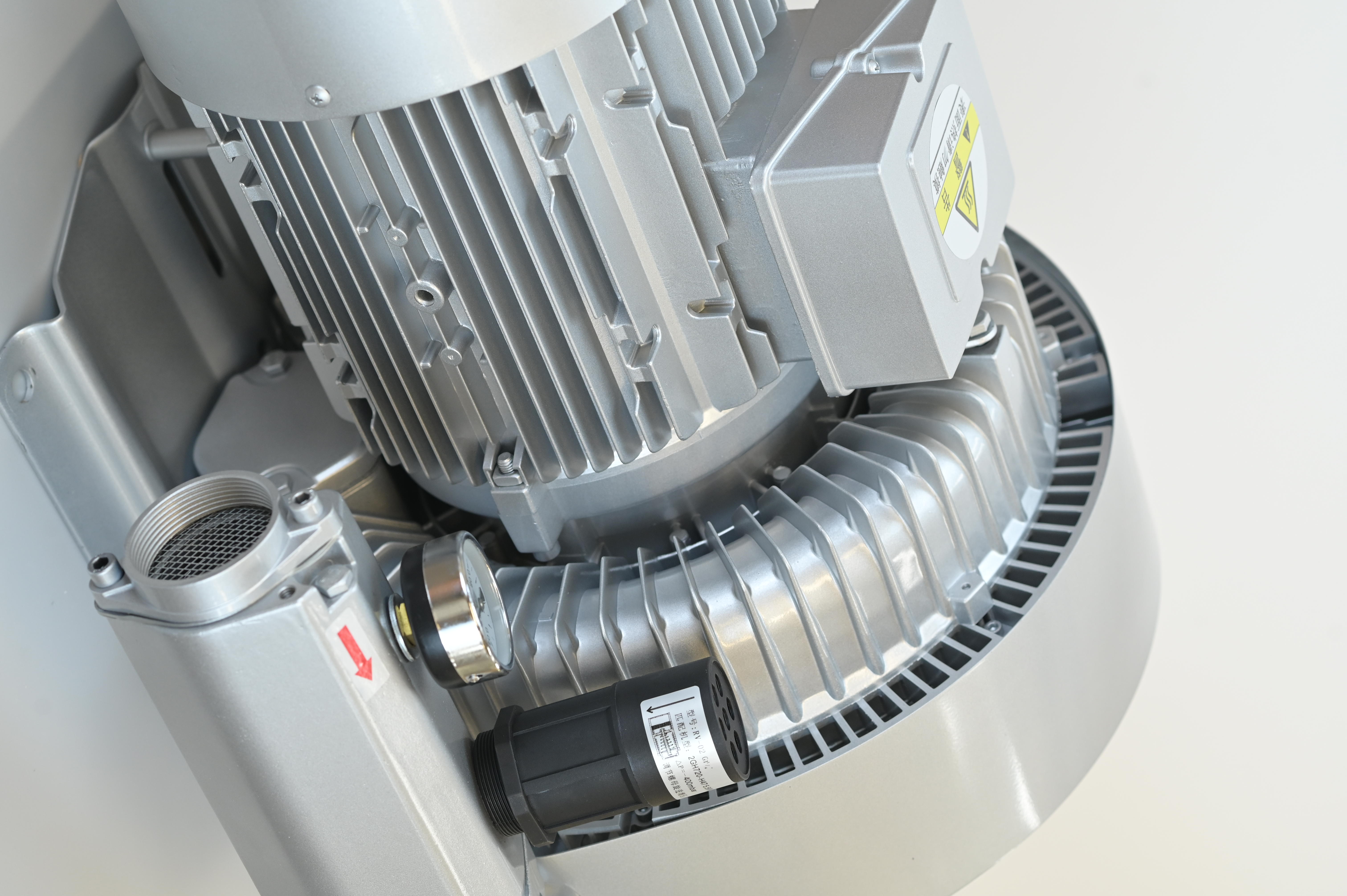
When selecting technologies, several considerations involve different material densities. In general positive displacements are more suitable to discussing substances Heavier than 50 pounds per cubic foot. In operations that require large scale continuous processing, regenerative equipment is usually preferred. Another important aspect is turndown flexibility, where regenerative systems excel because they can accommodate flow changes from around 30% to full 100% flow. In fact, many industrial plants that handle mixed materials tend to install both types of equipment. Typically, they allocate regenerative units for lighter and more powdery materials and use positive displacement machines for coarser and denser granular materials. In most reports from the industry that is the case, this approach reduces energy consumption by 15 to 20 percentage points when compared to systems that use only one of the technologies.
The Role of Vacuum Blowers in Wastewater Aeration: Improving Oxygen Transfer and Saving Energy
Sub-surface vacuum-assisted aeration: enhancing O₂ transfer efficiency compared to traditional pressure-based systems
The introduction of vacuum blowers to wastewater aeration has revolutionized aeration processes. Vacuum blowers utilize negative pressure to draw air from the atmosphere through submerged diffusers. These systems generate smaller bubbles than pressure systems. This results in an increase in the bubble surface area of around threefold than standard approaches. This also allows the bubble to liquid contact time to increase by as much as 40 to 60 percent . Ultimately, the interaction of gas and liquid results in an increase in gas liquid contact of 25 to 40 percent . This leads to an increase in oxygen transfer efficiency . This is important because smaller bubbles do not rise as quickly as larger bubbles. Pressurized systems tend to provide proportionally larger air bubbles than smaller bubbles and liquid do not rise as quickly become blocked. Vacuum technology is superior to pressurized systems because of its consistent oxygen transfer regardless of the presence of organic waste.
Let's face it. Aeration uses about 50-75% of all operational costs at treatment plants. So any improvements here will make significant strides in reducing energy costs month after month.
Liquid ring units work really well with debris and vapor challenges, since their usage of rotating fluid seals helps make vacuum with debris and vapor challenges. Turbo blowers’ magneitc bearings and variable frequency drives (VFDs) enable them to adjust to the amount of flow required by the DO sensors, hence saving energy up to 30 to 50 % when the demand is low. A lot of municipal water treatment facilities have found that switching to turbo systems pays for itself pretty rapidly, often within 18 months and two years. The systems can provide precisely the required airflow to the biological treatment without compromising the quality of effluent water.
The Dual-Mode Advantage: Why One Vacuum Blower Platform Serves Two Critical Functions
Engineering convergence: integrated suction/pressure capability without hardware reconfiguration
Today's vacuum blower systems have improved thanks to the advanced integrated systems that allow end users to shift from suction to pressure and vice versa without the need for physical adjustments. Newer models have better imellers and controllers that remove the need for multiple machines. So, operators performing various tasks from moving coarser materials in production to aerating in wastewater treatment using the same configuration is possible and eliminated the need to replace parts. Studies published in last year's Fluid Dynamics Journal, is that companies that stop replacing components for various applications typically experience a reduction in downtime by as much as 40%. These systems versatile for various industrial settings.
Real-world adoption: 2023-2024 AWWA & FDA benchmark data on initial municipal and industrial retrofit trends
Municipal water authorities and food processors are noting the sustainability benefits of retrofitting their facilities with dual-mode vacuum blower technology. In the 2023-2024 AWWA and FDA benchmarks, 62% of plants being upgraded are now standardizing on these prognostic modular systems - the first time these systems are being applied over traditional mono-pressure aerator systems. This retrofitting trend is resulting in:
- 28% average reduction in energy use
- 19% reduction in maintenance costs of the single-function units
- 34% improvement in the ROI of material handling system.
This trend is demonstrating the recognition of the value of multi-functional systems in operational cost, footprint and compliance.
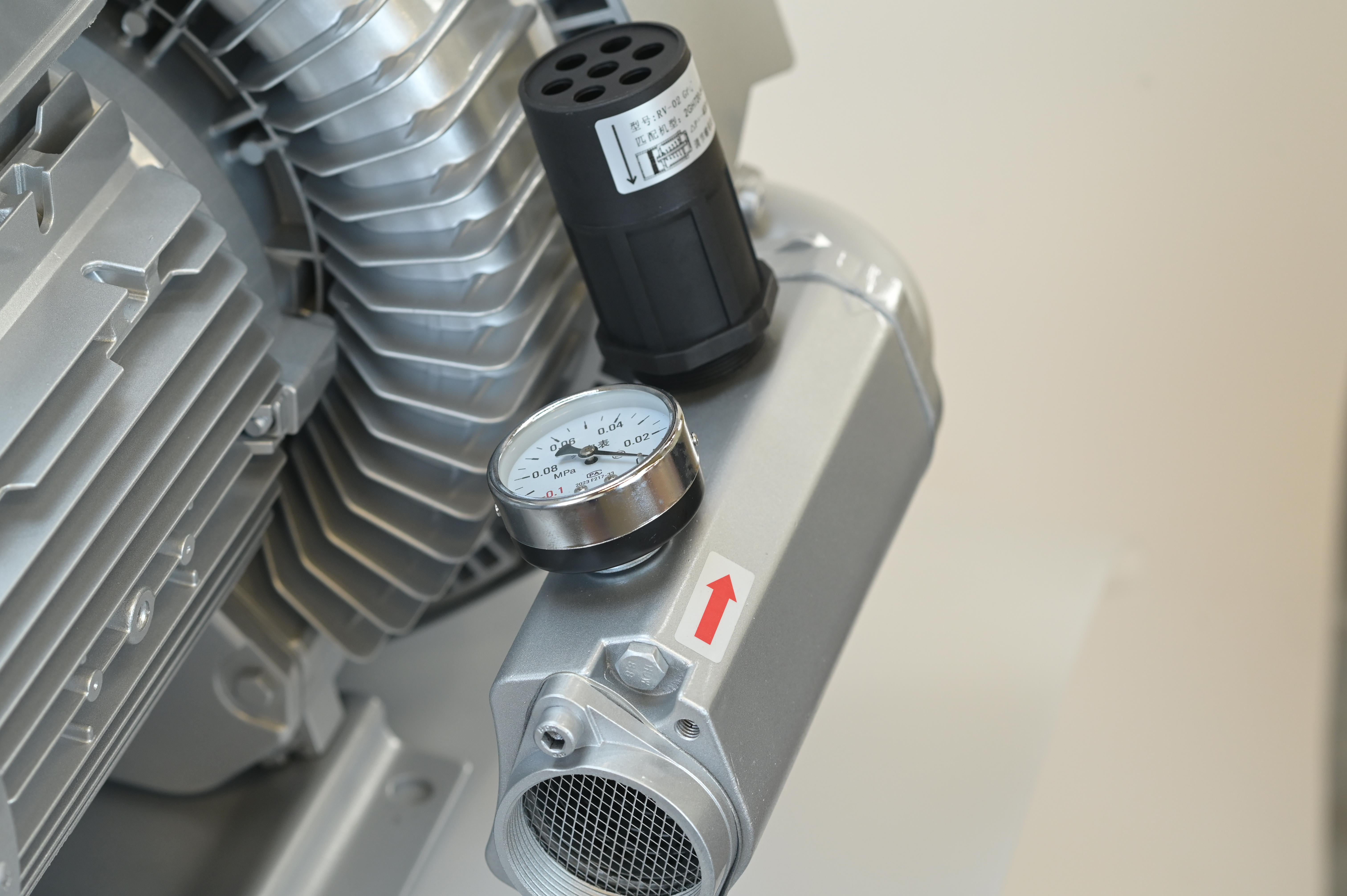
Most Common Questions
What is a major benefit of using vacuum blowers in pneumatic conveying?
Because vacuum blowers utilize suction, they create a system that is cleaner and more energy-efficient than a pressure system, particularly over short distances.
What role do vacuum blowers play in the wastewater treatment process?
Because vacuum blowers create small bubbles in the wastewater treatment process, they enhance aeration and oxygen transfer, and ultimately, energy savings, even under changing organic load conditions.What are the main differences between regenerative and positive displacement vacuum blowers?
While both types of blowers are designed for vacuum applications, regenerative blowers are designed for low-density materials which require the use of high volumes of airflow and provide moderate vacuum. In contrast, positive displacement blowers create a strong vacuum for high, or dense materials, and are capable of maintaining a steady flow while overcoming the resistance of the pipeline
In what ways to liquid ring and high-speed turbo vacuum blowers contribute to modern wastewater facilities?
Due to their rotating fluid seals, liquid ring blowers perform well in difficult conditions and high-speed turbo blowers optimize their energy use by measuring and responding to the flow of air using a sensor. All of these factors must be balanced to achieve the required energy savings, turndown, and reliability.
Table of Contents
- The Role of Vacuum Blowers in Wastewater Aeration: Improving Oxygen Transfer and Saving Energy
- The Dual-Mode Advantage: Why One Vacuum Blower Platform Serves Two Critical Functions
- Real-world adoption: 2023-2024 AWWA & FDA benchmark data on initial municipal and industrial retrofit trends
- Most Common Questions