 EN
EN


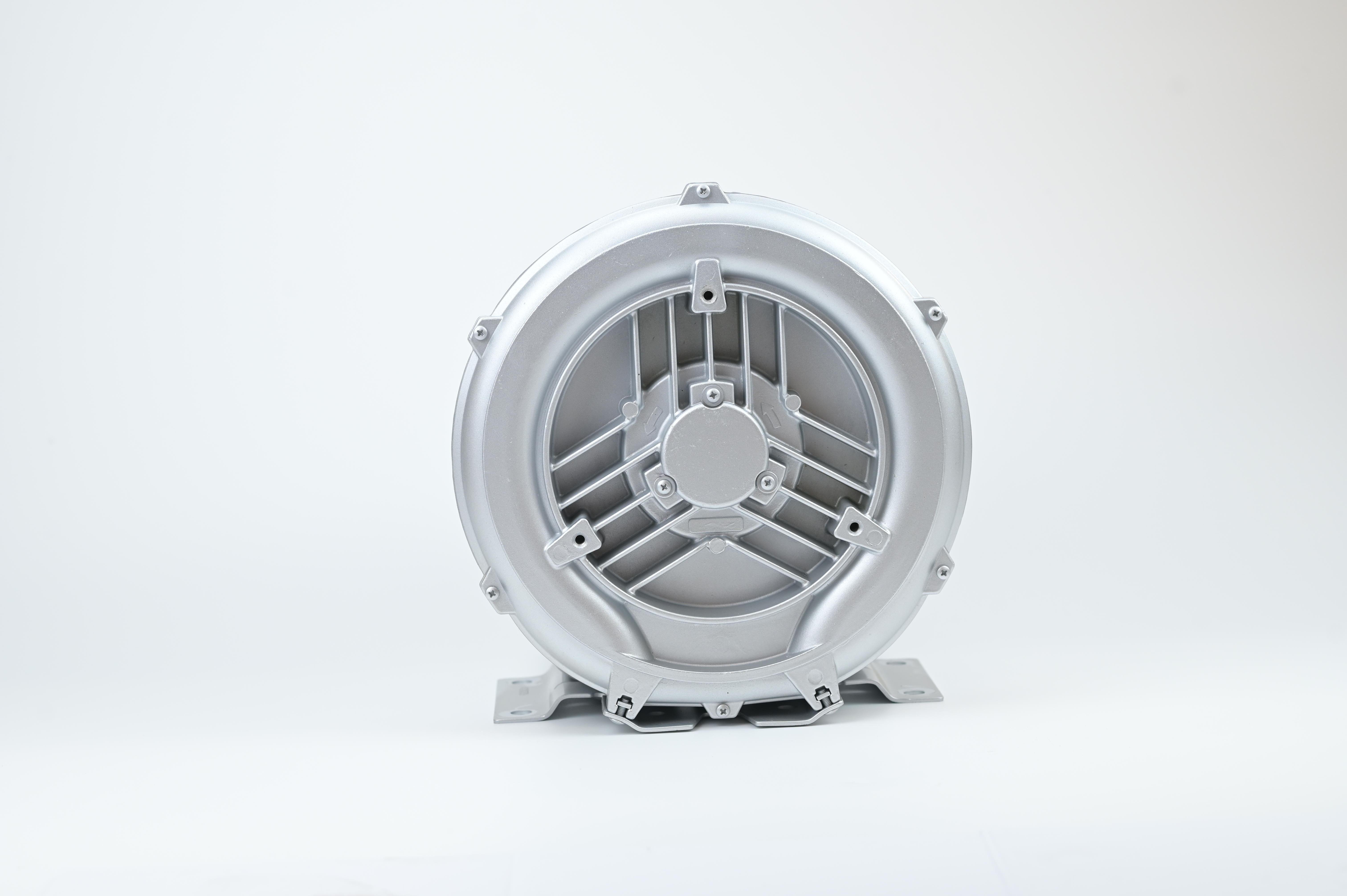
Physics of CNC Vacuum Pump Hold-Down for CNC.
Use of Suction to Create Clamp Force
CNC vacuum pumps remove air beneath workpieces to create a pressure difference. The workpieces themselves rest at a near vacuum of 14.7 psi at sea level. Vacuum pumps use this pressure difference to push the workpiece down against the machining table. The overall clamp pressure is a direct result of the pressure difference. Greater trap pressure decreases the vacuum, which increases the hold-down pressure. It is important for the perimeter seal to not have any leaks, as this would reduce the vacuum.
Hold-Down Force Equation: Surface Area, Vacuum Level, and Seal Efficiency
Where:
P = Pressure (in psi or inHg)
A = The surface area of the seal (in²)
η = Seal efficiency (a factor between 0.7 to 0.95 to account for any leakage in the seal)
A 12''×12'' panel (144 in²) under 25 inHg vacuum (about 8.5 psi) and 85% seal efficiency would create a clamping force of 1,750 lbf. The performance is determined by three factors:
1. Surface Area: Overall force increases linearly, therefore larger parts create a generally larger hold-down pressure.
2. Vacuum Level: There is a usable differential of approximately 0.49 psi for each 1 inHg increment.
3. Seal Integrity: A well-maintained seal can improve the clamping force by 30% according to various studies.
The ideal clamping force, achieved by optimizing all three variables, will prevent any lateral movement and will dampen the resonance that occurs during machining.
The Absorption Performance Aspects Of The CNC Vacuum Pump Other Than Stability
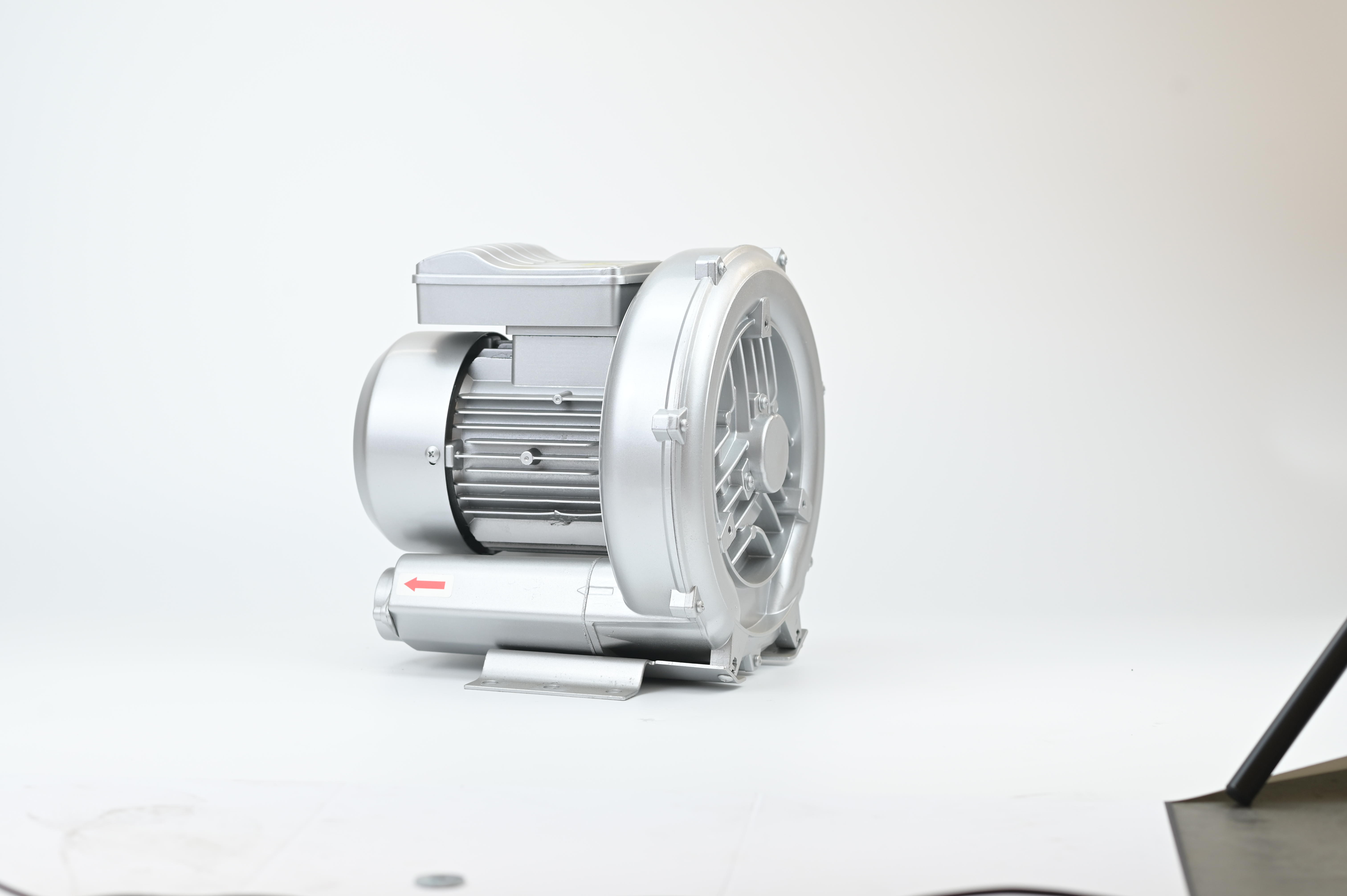
Response Times and Real Time Pressure Control Under Dynamic Cutting Conditions
Aside from a vacuum pump's ability to pull high static vacuum, the most important aspect of a CNC vacuum pump's performance is its ability to respond to disturbances. Micro leaks due to lateral tool forces, especially during milling or contouring, can destabilize a workpiece if not immediately corrected. Pumps that can respond to fluctuations and achieve the preset vacuum level in less than half a second reduces the chance of workpiece slippage by 60% than slower pumps. This rapid response prevents cumulative positional errors during multi-pass machining and prevents dimensional distortion during machining of complex shaped parts.
Why Statements Of Peak Vacuum Ratings Are Not Always Correct: The Leak Rate, Flow Rate, And Recovery Time Are More Important
A peak vacuum rating (for example 28''Hg) is a completely arbitrary value that tells nothing about the level of performance during machining. There are three important variables that are more likely to predict the level of performance which are:
- Leak Rate Tolerance: This describes the maximum amount of air intrusion that the vacuum system can tolerate in order to maintain its grip on the workpiece.
- Flow Rate (CFM): This is the speed at which air is evacuated out of the system when the sealing mechanism is breached (displaced air).
- Recovery Time: The amount of time required to restore the vacuum to its target value after a breach of the sealing mechanism.
A vacuum pump that has a lower peak vacuum rating but has a high flow rate (for example, 15CFM) will most likely outperform the vacuum pumps that have a high peak vacuum rating but a lower flow rate, especially when machining a porous workpiece. Rapid recovery during machining also greatly reduces incident of dimensional drift during cuts.
Designing Workholding Systems And Integrating Vacuum Tables To Achieve Maximum Stability
The stability of workholding systems is primarily determined by the combination of the vacuum table design, the specific characteristics of the CNC vacuum pump, and the geometry of the workpiece.
Modular porous tables feature uniform micro-perforations to create wide, even suction ideal for thin, flat workpieces, such as deflective aluminum sheets and carbon fiber laminates. They need high flow rates (≥25 CFM) to maintain vacuum across large areas, which is especially crucial for permeable materials like MDF that leaks vacuum three times as much as acrylic does.
Grooved tables have machined channels for clamping that is more selective and suitable for complex geometries, including 3D contours, turbine blades, and molded composites. They require fast pumps with rapid recovery times (>90% vacuum restoration in
<2 seconds) to reseal isolated areas that have been fixtured.
In low-mass applications, matching pump output with table type and material porosity reduces the risk of slippage by 60%, as shown in machining vibration tests. Prioritize flow capacity for porous media and sustained pressure (≥20'' Hg) for grooved systems, calibrating both to the surface contact ratio and overall topography.
Outcomes in the Real World: Preventing Movement, Warping, and Dimensional Drift
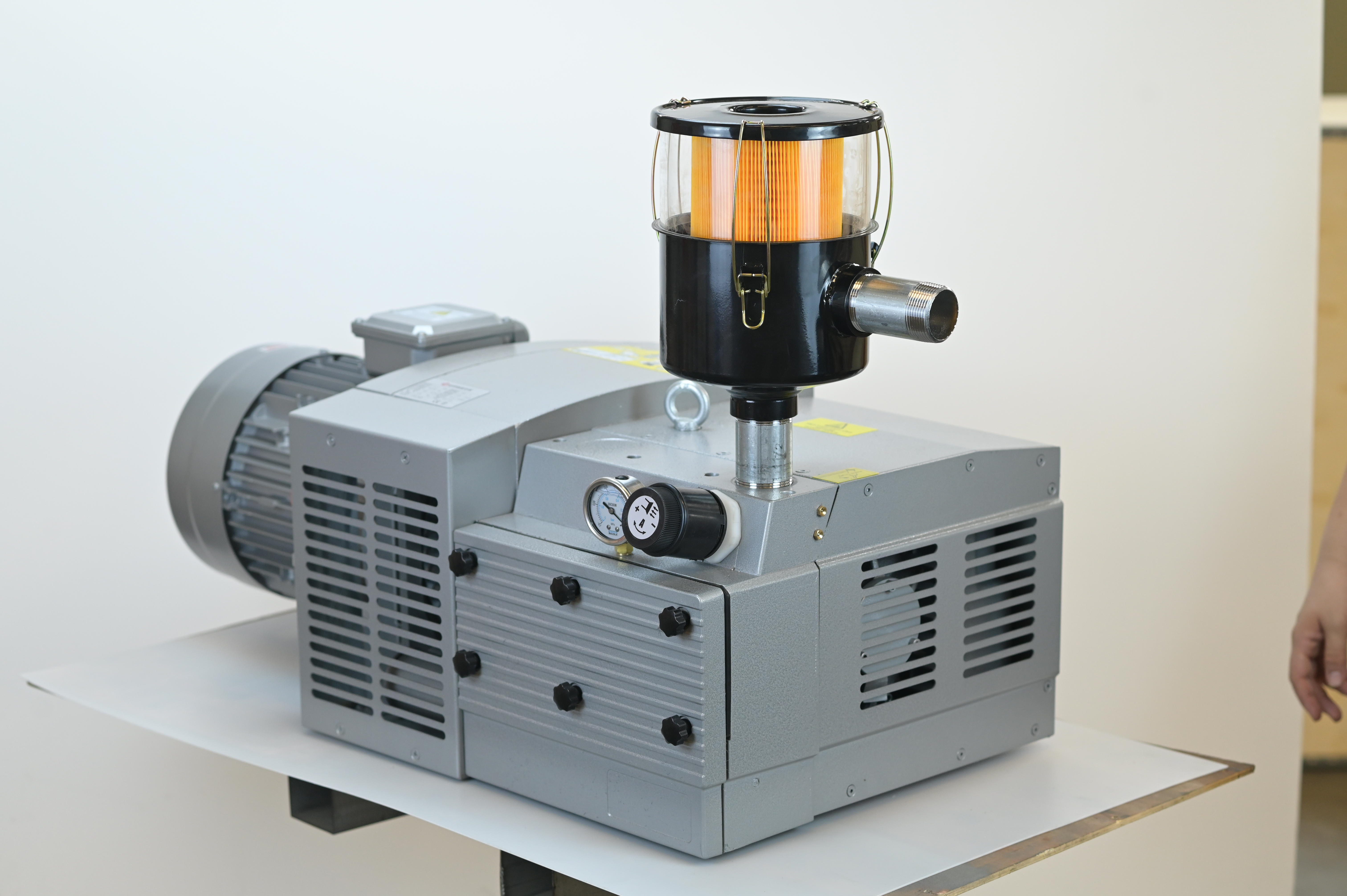
Evidence Case: 42% Reduction in Thin Sheet Deflection (0.8 mm Aluminum) with the Custom-Crafted Vacuum CNC Pump
Precision machined thin materials demand the dynamic stability, not the theoretical force. During a controlled production trial, machinists successfully optimized deflection in 0.8 mm aluminum sheets by 42% with a custom vacuum pump designed from: materials matched vacuum level to stiffness, perimeter vacuum seal efficiency improvement, and flow counter micro leakage adjustment. The end result was tighter tolerances, zero scrapped warp parts, and consistency in toolpath accuracy, even at high spindle speeds. The result confirms vacuum system stability is not dictated by materials and peak vacuum, but by the ability to sustain pressure and equilibrium in a balance with real time cutting forces.
Frequently Asked Questions (FAQ)
What does the integrity of seals in the CNC vacuum hold-down system affect?
The integrity of seals directly impacts the vacuum force and hold-down effectiveness, which, in turn, leads to increased risk of workpiece slippage and malpositioning during machining.
What does the recovery rate of a vacuum pump influence?
The recovery rate of the vacuum pump plays a major role in the outcome of the machining process. The recovery rate essentially directly correlates to the stability of the workpiece and the level of inaccuracy during machining.
What does flow rate determine in a vacuum CNC system?
Flow rate is the main determinant of the functionality and efficiency of a vacuum pump in the CNC system, which, is especially important when machining porous materials due to the increased demands.