 EN
EN


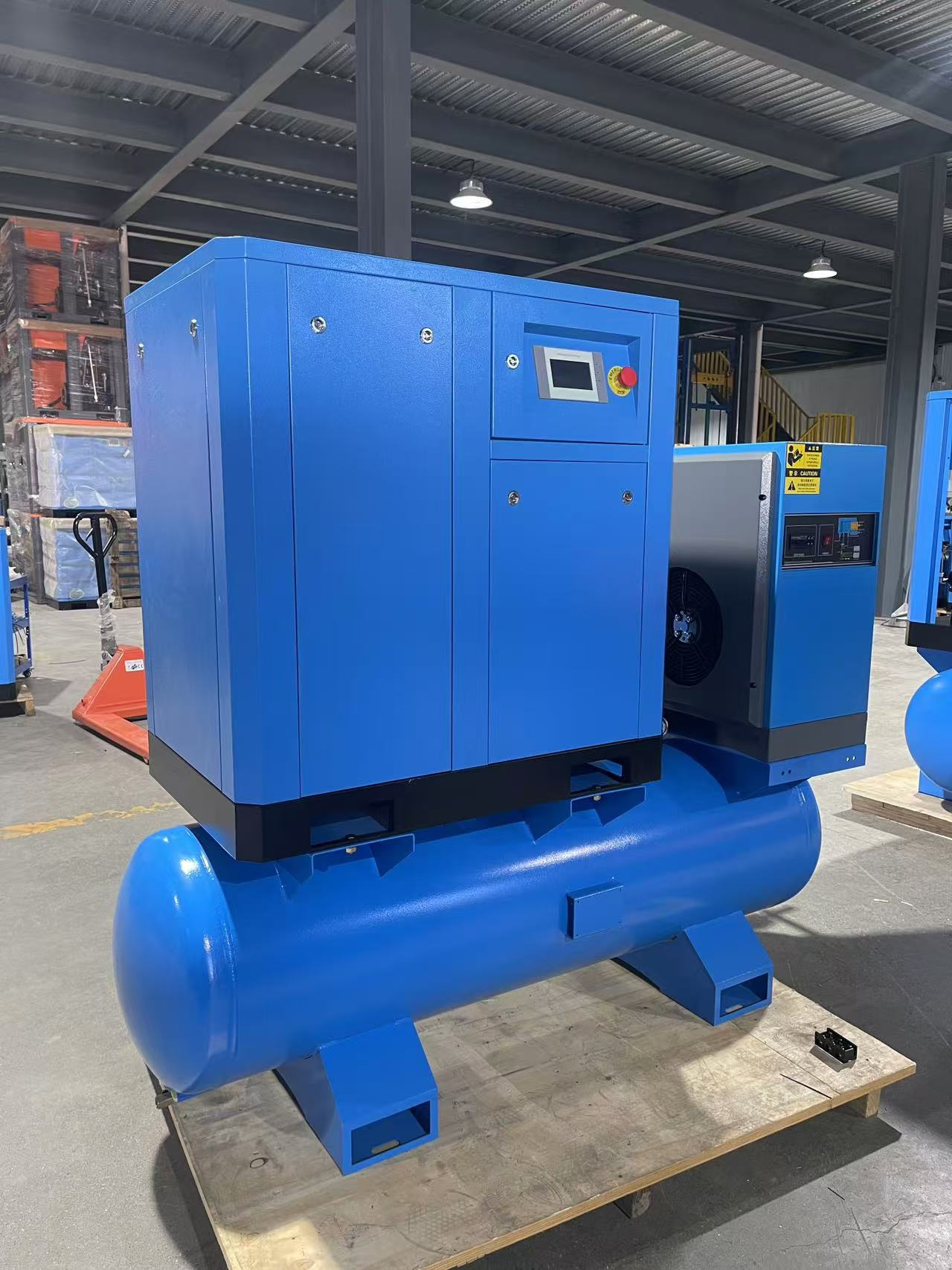
Lockout/Tagout Procedure for the Air Compressor Tank
Confirm full depressurization before tank access
Don't assume that turning the equipment off is the same as making it safe. Blocking these inlet valves but is not closing this valve is very dangerous. If this valve is left open during shutoff, this drain will be used to fully drain the air. This valve, at this time, has been left opened to aid in the depressurization. All of these tasks have been done to confirm that fully depressurizing is being done. All of these checks must be fully recorded before access to the tank is granted. Incidents that have happened at the workplace have shown that these tasks must be performed. Failing to document these checks could result in severe penalty.
Lockout/Tagout of OSHA Compliance
These have been implemented due to the OSHA regulation of 1910.147. To be fully compliant, isolation of all energy must be done.
Mechanical: balanced springs must have tension taken off and balanced wheels secured.
Before proceeding, ensure the integrity of effective isolation by attempting to energize the machine. As a check, all workers must individually attach their lock in order to safe work group. All OSHA retraining sessions that have been completed have caused decreased violations by at least 35%.
Visual and Tactile Check: ASME Compliance, Corrosion, and Cracking of the Tank
Inspection of these must be completed in order to check for fully the integrity of the tank.
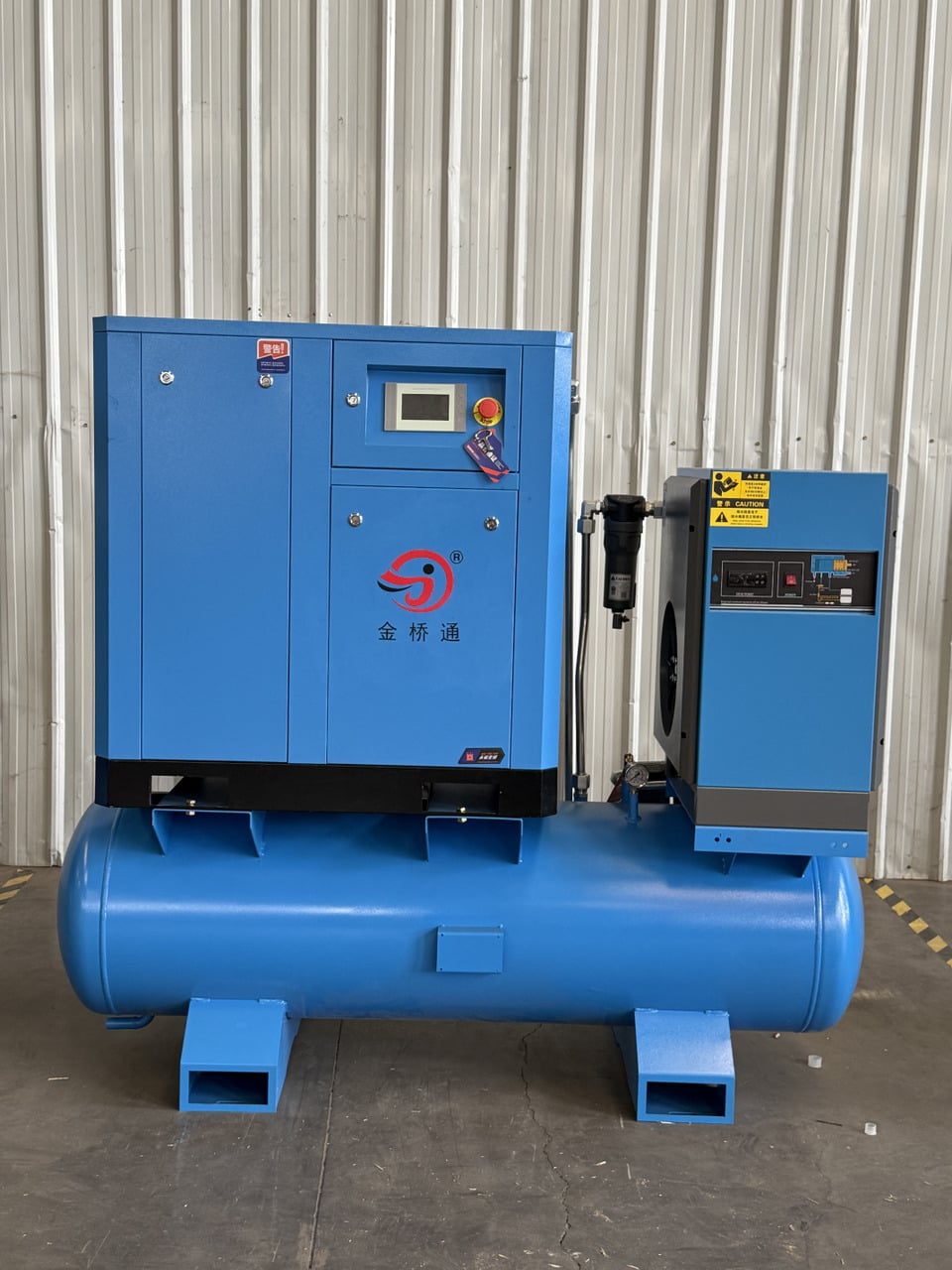
These shall include checks of the tank's surface as well as its supports. Pits and Ingrowth have been noted as very dangerous. Ingrowth is areas of higher corrosion. Corrosion is these areas is most dangerous when surface cracking is present.
Weld Integrity: Supplements inspections by using a magnification technique and dye penetrants to identify potential cracks along the maneuver seams.
Deformation: Measure the deviation of roundness using calipers to determine if any bulge exceeds the 3% threshold of the nominal diameter. This deviation would constitute an unacceptable condition, and the deformed tank would have to be retired immediate.
Reports indicate 68% of tank failures occur as a result of welds failing at the seams due to the presence of corrosion.
Identification of the ASME UV-3 stamp, the last inspection date, and the expiration of service life limits must be considered.
Check the ASME UV-3 stamp next to the tank inlet.
Valid certification: Units lacking compliance do not have certified control of overpressure.
Backlog of inspections: Hydrostatic tests should be performed every 5 years, as instructed by OSHA 1910.169.
Expiration of service life: Units must be retired after 15 years or 10,000 cycles, whichever occurs first, per the ASME Boiler and Pressure Vessel Code.
Years of post service indicate 5 times the greater rupture potential of these pressure vessels.
Note on the control of moisture: Without the removal of condensate on a daily basis, internal corrosion occurs at a rate 300% greater. Align inspection protocol with practice of drain valve maintenance.
Control Moisture Accumulation to Prevent Internal Corrosion in the Air Compressor with Tank
Drain condensate on a daily basis, or at a frequency equivalent to the duty cycle, using a drain valve.
Internal corrosion of the tank can be accelerated by the presence of condensate. Drain valves, either manually or automatically, can commit to consistent evacuation of moisture. Undrained tanks can corrode at a rate 3 times that of drained tanks.
Determine placement of drain valves, reliability of operation, and provision against the freezing of liquids in colder climates.
Place valves at the lowest point of the tank, with the outlet piping sloped down, to avoid residual liquid collection. In freezing conditions, insulated enclosures and/or electric heated drain valves shall protect against ice blockage, which can cause a component to burst. If functioning valves are not tested monthly, they will fail, allowing moisture to accumulate and corrode, and reducing the service life of the system by an estimated 40% (according to maintenance studies). It's best to use stainless steel valves in high-humidity conditions to resist the interfering effects of rust.
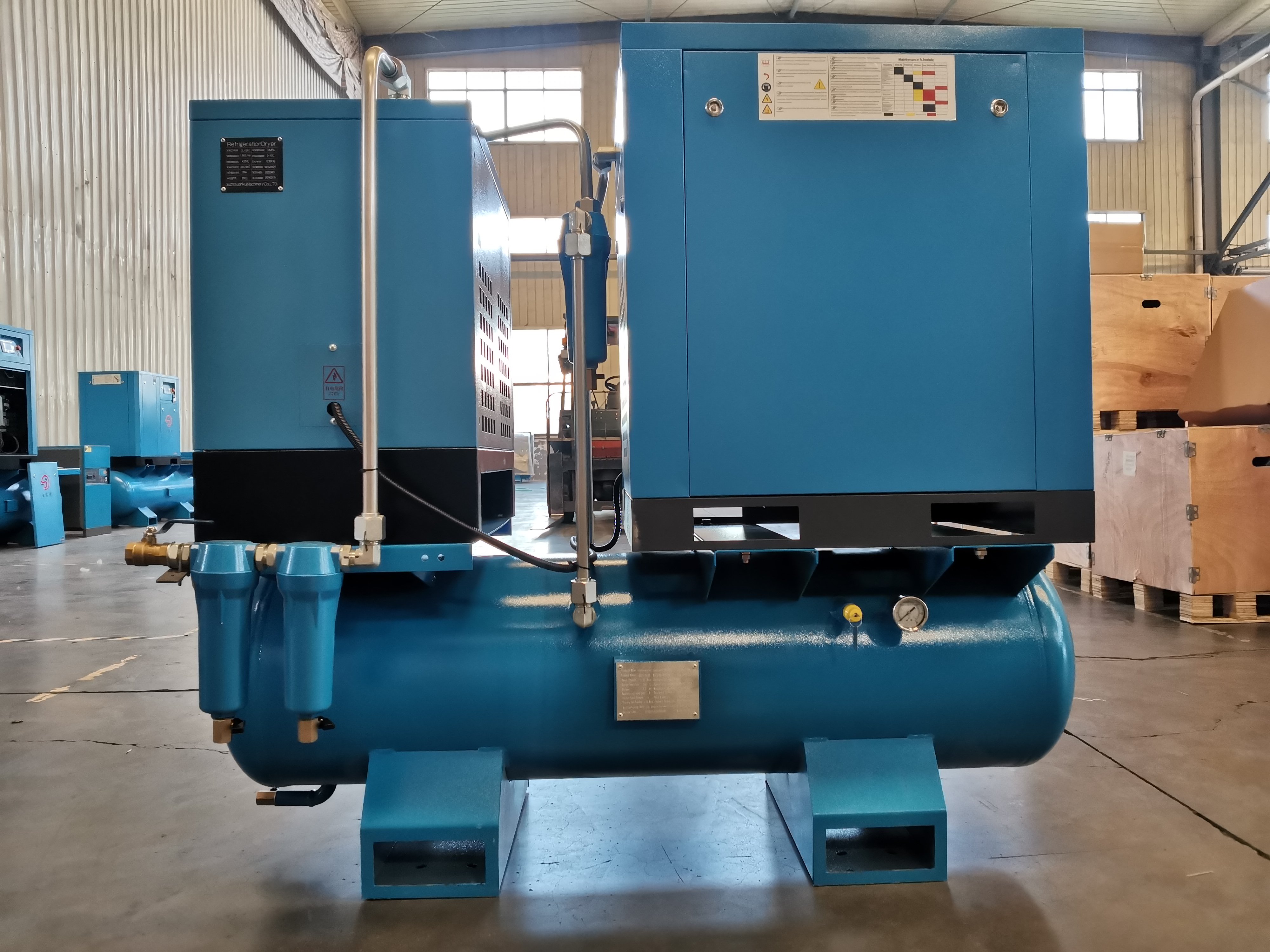
Testing and Maintenance of Pressure Relief Systems to Prevent Uncontrolled and Catastrophic Failure
Pressure relief valves (PRV's) are the final line of defense to prevent the pressurized air in a tank type air compressor from being over-pressurized. Without a functioning PRV, the pressurized system can fail and the tank can rupture explosively, releasing pressurized solid materials and lethal shrapnel. Data regarding pressurized systems has shown that system failures are typically an $740k loss incident due to the failure (Ponemon Institute, 2023) and are the cause of almost all industrial catastrophic incidents.
Valves should be tested monthly by manually releasing the ring to check for obstructions, and to allow an unrestricted flow of air for pressure relief. Full-flow testing with instruments should be conducted on an annual basis to confirm valve operation at the ASME certified set pressure, which is typically 10% - 15% above the shutoff pressure. Valves that do not meet these standards should be replaced, and corrosion on valves is grounds for immediate replacement. The operation of pressure relief valves cannot be bypassed during maintenance, as the system can be subjected to a pressure that causes a valve to fail at an unexpected time. All test records should be kept for compliance with OSHA 1910.169 and NFPA 99. Valid outlet flow will be guaranteed to prevent ruptures to the system, and it will protect against the regulations being brought to bear.
FAQ Section
Why is depressurization necessary for the construction of air compressor tanks?
Without depressurization, the controller end can become explosive due to residual pressure.
What purpose does Lockout/Tagout serve in air compressor maintenance?
Lockout/Tagout is a safety measure that separates peak sources, preventing peak sources from igniting.
How regularly should air compressor tanks undergo hydrostatic testing?
According to OSHA, hydrostatic testing should occur every 5 years.
What is the significance of moisture control for air compressors?
Moisture corrosion can occur with unregulated moisture levels in the tanks.
What is the role of pressure relief valves in preventing failures?
Pressure relief valves serve to release pressure in a controlled manner, thereby preventing dangerous ruptures from occurring in explosive failures.